
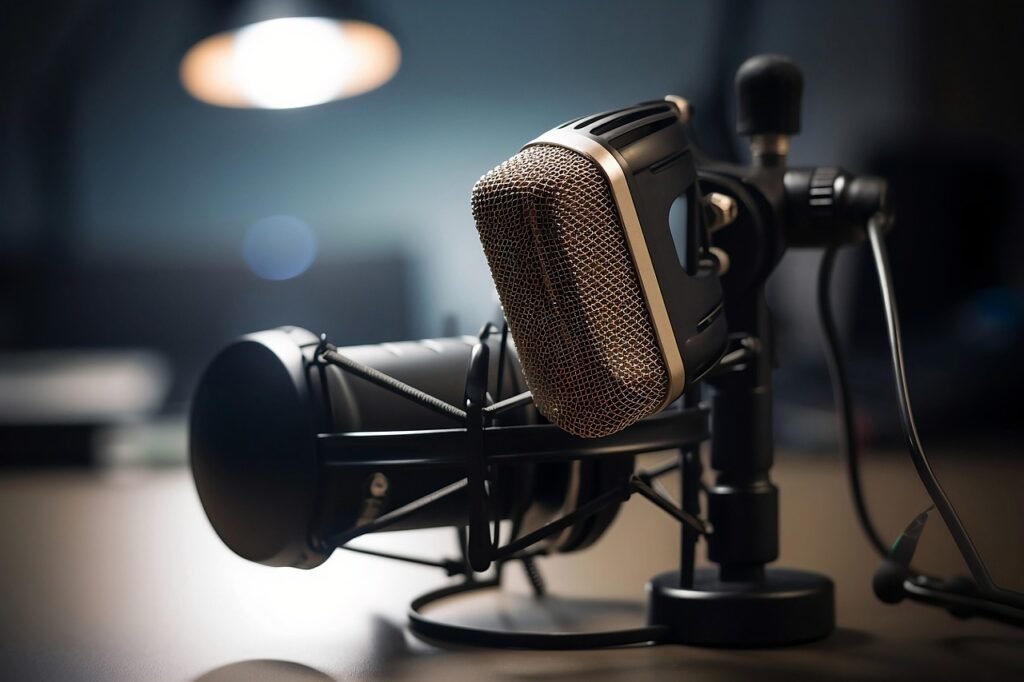
Dead air is an unplanned stretch of silence during a broadcast, when a radio station or TV channel is still on the air but no program sound or picture is going out. The phrase has spread into everyday speech, where it means any awkward, empty pause on a call, a podcast, a meeting or a conversation.
Dead air started as a radio and television problem
On the radio, dead air is silence. The transmitter keeps running and the station is still technically broadcasting, but listeners hear nothing. On television, the same failure usually shows up as a black or gray screen with no sound, even though the signal is still reaching the set.
It happens for mundane reasons. A host misses a cue, a recording fails to start, a piece of equipment dies, or a program ends with nothing lined up behind it. Broadcasters rank it among the worst mistakes anyone can make on air. Listeners tend to change the station within moments of silence, and if the gap falls during a paid commercial, the station can lose advertising money as well as its audience.
Why stations wire up silence alarms
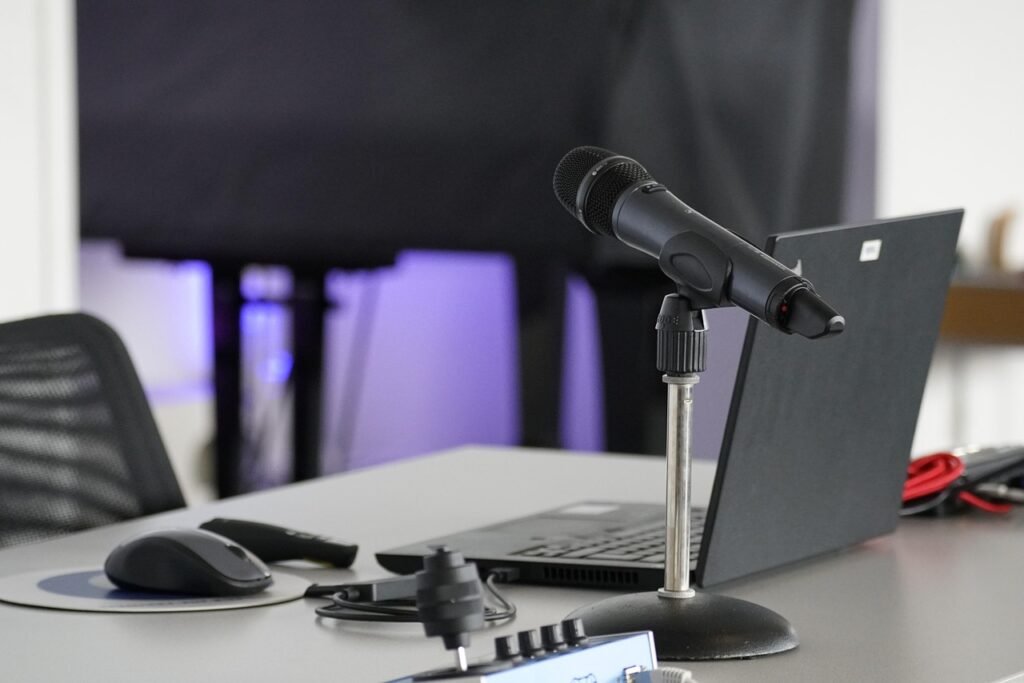
Because the stakes are high, most stations don’t rely on people alone to notice silence. They use devices often called silence sensors, off air alarms or silence monitors. These watch the outgoing audio, and if it stays quiet longer than a set limit, they sound an alarm or send an alert to an engineer.
Many setups go further and switch to backup programming automatically, such as music with a station identification, until someone fixes the fault. In an automated station with nobody in the building overnight, that switch may be all that stands between a failed computer and hours of silence. Keeping a station on the air is also a licensing concern in the United States, where the Federal Communications Commission regulates when and how broadcasters may go silent.
What dead air means outside the studio
| Setting | What it sounds like | Common cause |
|---|---|---|
| Podcast | A long gap left in the edit | A guest pausing to think, trimmed badly |
| Customer service call | Silence with no hold music | An agent looking something up without saying so |
| Live stream | A frozen screen or a muted mic | A technical glitch or a forgotten mute button |
| Video meeting | Nobody answers the question | Everyone waiting for someone else |
| Everyday conversation | An uncomfortable lull | Running out of topics or a remark that landed wrong |
In all of these, the sense of the phrase is the same. Something should be happening, and nothing is.
Covering a pause before it turns into dead air
People who talk for a living learn to narrate the gap. A support agent who says they are pulling up an account turns silence into waiting. A host who says they will be right back after a technical hiccup keeps the audience from wondering whether the stream died. Some hosts keep a short list of evergreen bits nearby for exactly this moment.
A few habits help anyone. Keep a backup topic or question in your pocket before a call or interview. On a live stream, have a holding screen with music ready to switch to. In a meeting, name the next person to speak rather than asking the whole room. And when you are editing a podcast, cut long thinking pauses down so the rhythm feels natural without sounding rushed.
When silence is on purpose
Not every quiet moment counts as dead air. A pause for effect, a moment of silence during a memorial broadcast, or a gap written into a radio drama are all planned. The audience senses the difference, because a deliberate pause has a clear start and end and someone is in control of it.
Conversation works the same way. A friend thinking before they answer is not dead air. The label fits when the silence feels unintended and nobody seems sure who should break it. In a job interview or a sales call, a short pause after a question is normal thinking time, and rushing to fill it can make you sound less sure of yourself than a calm few seconds would.
Frequently asked questions
Why is dead air bad on the radio?
Silence tells listeners something has gone wrong, and many will switch stations quickly rather than wait. If the gap interrupts paid commercials, the station can also lose advertising revenue. Keeping a signal on the air is tied to licensing too, so stations work hard to prevent even short gaps.
What is a silence sensor?
A silence sensor is a device or software tool that monitors a station's outgoing audio. If the sound stays quiet for longer than a set period, it triggers an alarm, alerts an engineer, or switches automatically to backup programming so the station does not stay silent while someone fixes the problem.
Is dead air the same as an awkward silence?
In casual use, yes. People borrow the broadcasting term for any conversation or call that goes uncomfortably quiet. The difference is intent. A thoughtful pause or a planned moment of silence is not dead air, while an unplanned gap that nobody knows how to fill usually is.
What does dead air look like?
On television, dead air shows up as a black or gray screen with no sound while the channel is still on the air. On a live stream it looks like a frozen picture or a host talking on a muted mic. On the radio it is only silence, and listeners tend to switch stations within moments.
What does radio silence mean?
In its original sense, radio silence is a period when radios are not transmitting signals. The phrase now also means a stretch when a person or organization stops communicating as usual, such as a friend who stops answering texts. Dead air is different, because the station is still on the air and the silence reaches the audience.