
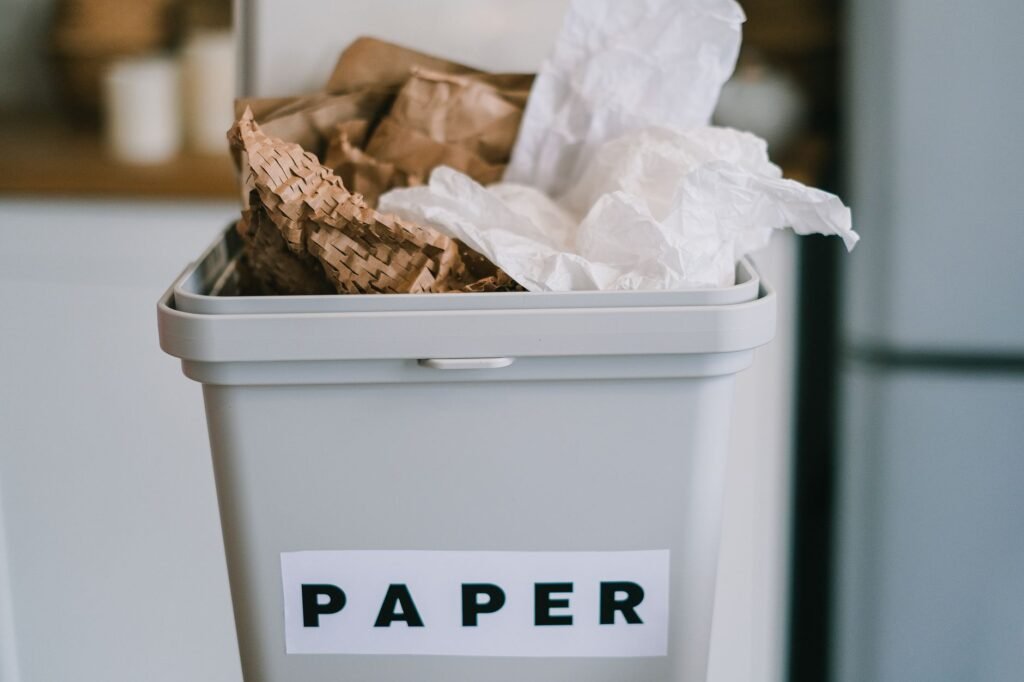
Cut waste at home by buying less of what you end up throwing away, eating the food you already have before it spoils, and swapping single use items for ones you can wash and reuse. Start with whatever fills your trash can fastest, which in many kitchens is uneaten food and packaging.
Look in your own trash can before buying anything new
Advice lists about zero waste living tend to start with shopping for reusable gear. A better first step costs nothing. For one week, glance into the trash and recycling before you take them out, and notice what keeps showing up.
Most households find two or three repeat offenders. It might be takeout containers, paper towels, bags of wilted salad greens or single serve snack wrappers. Those few items are where changing a habit pays off, and they are different in every home. A family that cooks every night throws away different things than someone who eats lunch at the office, so their fixes look different too.
Food waste starts in the refrigerator drawers
Uneaten food is a big share of household waste, and the EPA says one third of all food in the United States goes uneaten. Much of it is lost to poor storage rather than bad cooking.
Plan meals for the week and check the fridge, freezer and pantry before you shop, writing quantities on the list so you don’t overbuy. Keep the refrigerator at 40°F or below. Leafy greens, carrots and broccoli last longer in the high humidity drawer, while mushrooms and peppers do better in the low humidity one. Store bananas, apples and pears away from other produce, since they give off ethylene gas that hurries ripening. Wash berries only when you are about to eat them.
Date labels trip people up too. Sell by, use by and best by dates mean different things, and many foods are still fine after a best by date. Freeze bread, sliced fruit and leftovers you won’t reach in time, labeled with the contents and the date.
Reusable swaps for each room of the house
| Room | Throwaway item | Reusable swap |
|---|---|---|
| Kitchen | Paper towels and napkins | Cloth towels and napkins washed with the laundry |
| Kitchen | Plastic wrap and zip bags | Containers with lids, glass jars, beeswax wraps |
| Bathroom | Liquid soap in plastic pumps | Bar soap or a refillable dispenser |
| Laundry | Dryer sheets | Wool dryer balls |
| Entryway | Plastic shopping bags | Tote bags kept by the door or in the car |
| Home office | Printed drafts | Reading on screen, printing double sided |
Use up what you already own before buying a replacement. A drawer of old plastic containers is already reusable. Buying a matching set of glass storage just to look tidy creates the kind of waste you were trying to avoid, so replace things only as they wear out.
Repairing, reusing and passing things along
The things that last longest never become trash in the first place. Sew on the button, replace the vacuum belt, glue the chair leg. Many communities have repair cafes, tool libraries or buy nothing groups where neighbors swap items they no longer need.
When something is truly done in your house, it may not be done for someone else. Charities, schools and animal shelters often take clothes, towels, craft supplies and furniture, but each has its own rules, so call or check their website before you drop anything off. Clothing that is too worn to wear again can often go to textile collection bins, which your local government or a nearby thrift store can point you to.
Recycling by your local rules, not by hope
Recycling comes after reducing and reusing because it still takes energy and not everything that goes in the bin gets recycled. Tossing in items you only hope are accepted, such as plastic bags, greasy pizza boxes or tangled cords, can contaminate a whole load.
Rules vary a lot from town to town. Look up your city or county recycling page, find the accepted materials list, and keep a copy near the bins. Rinse food off containers, keep bags out of the curbside cart unless your program takes them, and drop items like batteries and electronics at the collection sites your local government lists.
Frequently asked questions
What is the easiest way to start reducing waste at home?
Start with food. Planning a few meals a week, shopping with a list and eating leftovers before cooking something new cuts waste quickly and needs no special gear. Once that becomes a habit, pick one throwaway item your household uses a lot, such as paper towels, and find a reusable replacement.
Does reducing waste at home actually make a difference?
It adds up. Less food thrown away means fewer grocery trips, and fewer single use items means less going to the landfill each week. The biggest effect usually comes from buying less in the first place, since reducing and reusing come before recycling in the EPA's approach to waste.
How do I know what my curbside recycling accepts?
Check your city or county's recycling or public works website, which usually posts a list of accepted materials, often with pictures. Some programs mail a guide or offer an app. Rules differ between towns, so a list from a neighboring city or a national website may not match your own collection.
How can you reduce plastic waste?
Cut the single use plastic you bring home in the first place. Carry reusable shopping bags and a refillable water bottle, store leftovers in containers you already own, choose bar soap or refills over new pump bottles, and buy staples in larger sizes or with less packaging. Check your local rules before recycling plastic bags.
How can you reduce paper waste?
Start with the mail and the printer. The FTC points to OptOutPrescreen to stop prescreened credit and insurance offers and to DMAchoice to cut catalogs and other marketing mail. Switch bills and statements to paperless, print double sided only when you need paper, and use cloth towels and napkins instead of paper ones.