Boxelder bugs are not breeding in your house, they are trying to overwinter in it. They gather on warm south and west facing walls each fall, then slip through gaps around trim, siding and window frames. Sealing those gaps in late summer prevents far more than any spray does in January.
What they are doing on your wall
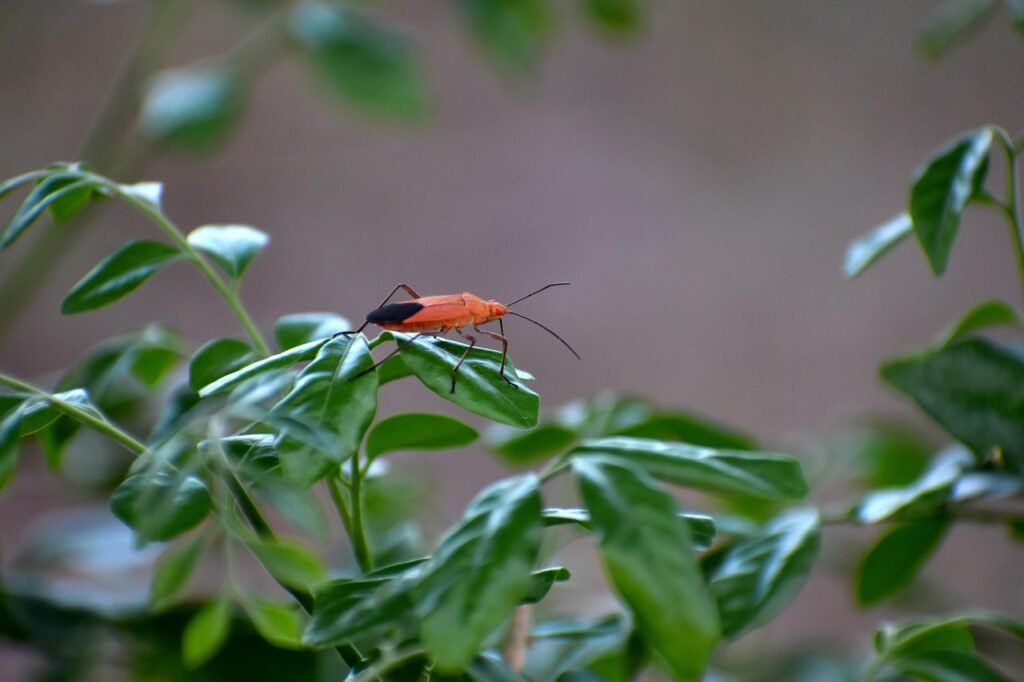
These insects spend the warm months feeding on the seeds of female boxelder and some maple trees. Nothing about that involves your house. The behavior that brings them to you starts when nights cool down and the adults look for a sheltered crack to spend winter in, a habit called overwintering.
Sun warmed siding is the strongest signal they have. A wall that holds afternoon heat pulls them in by the hundreds, and once they are on it, every gap they touch gets tested. They do not eat wood, fabric or pantry goods, they do not lay eggs indoors, and the ones you see in midwinter are individuals waking up early in a wall void, not a colony growing.
The window for sealing is late summer
Exclusion only counts if it happens before the gathering starts, which in most of the country means August into early September.
- Walk the sunny side of the house at eye level and look for daylight around window and door frames.
- Caulk gaps in siding joints, around vent and utility penetrations, and where trim meets masonry.
- Replace torn screens and add or repair door sweeps, which are a common entry at ground level.
- Screen attic and soffit vents with fine mesh, since upper level vents are a favorite route.
- Check the gap behind window mounted air conditioners, which is an open door once the unit cools off.
If you missed the window this year, the seal up work still pays next fall. It is the only step with a lasting effect.
Indoors, vacuum instead of squashing
| What people try | What happens |
|---|---|
| Crushing them on the sill | Orange staining on paint and fabric, plus an odor |
| Spraying inside in midwinter | Kills the few in the open, the rest stay in the wall |
| Vacuuming with a bag or canister | Immediate, no stain, empty it outside afterward |
| Soapy water on outdoor clusters | Works on contact only, so expect to repeat it |
| Caulking in late summer | The one step that reduces next season |
Soapy water is worth understanding. It works by breaking the surface film on their breathing pores, which is why it has to land on the insect and why it does nothing once it has dried on the siding. There is no residual protection.
Cutting the food source down the block
Only female boxelder trees produce the winged seed clusters the bugs feed on, so a male tree in your yard is not the culprit. Raking up fallen seeds in autumn removes some of the local buffet, and so does clearing the leaf litter and tall grass along a foundation where they shelter before they climb.
Even so, these insects can move a surprising distance from the nearest seed tree. Treat tree management as a bonus rather than the plan. Tight caulking and good screens are what decide whether next October is quiet.