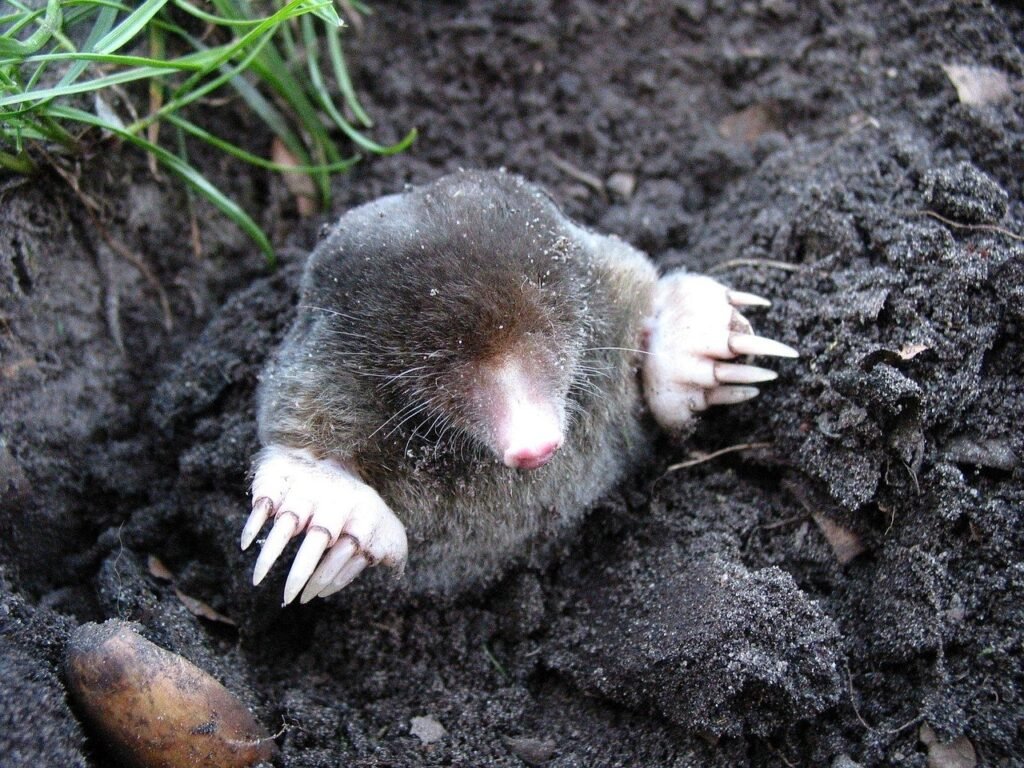
Moles are hunting earthworms and soil insects, not your plants, which is why grub control so often accomplishes nothing. A yard full of raised ridges normally holds one or two animals rather than a colony. Identify which runs are active first, and check what your state allows before choosing any method.
A mole is an insectivore, not a rodent
The mistake behind most failed attempts is picturing a rodent. Moles are not related to mice, they do not gnaw, and they show no interest in bulbs, roots or vegetables. They are built for one job, which is swimming through soil eating whatever soft bodied prey they bump into. Earthworms dominate that menu, with beetle larvae and other soil invertebrates filling in.
That single fact explains a lot. A lush irrigated lawn holds more worms than the dry ground next door, so the best kept yard on the street attracts the tunneling. It also explains why the insect focused lawn products disappoint so consistently, since none of them touch the earthworm supply that keeps the animal fed.
Find out which runs are actually in use
Most of the network is abandoned exploratory tunnel. Anything you do to a dead run is wasted.
- Walk the yard and step down firmly on every raised ridge until it is flat, marking a few with golf tees.
- Come back after twenty four hours and look for the ridges that have been pushed back up.
- Repeat once more. Runs that reopen twice are the travel routes worth attention.
- Note the pattern. Runs that follow a fence line, a driveway edge or a garden border are usually main highways rather than feeding detours.
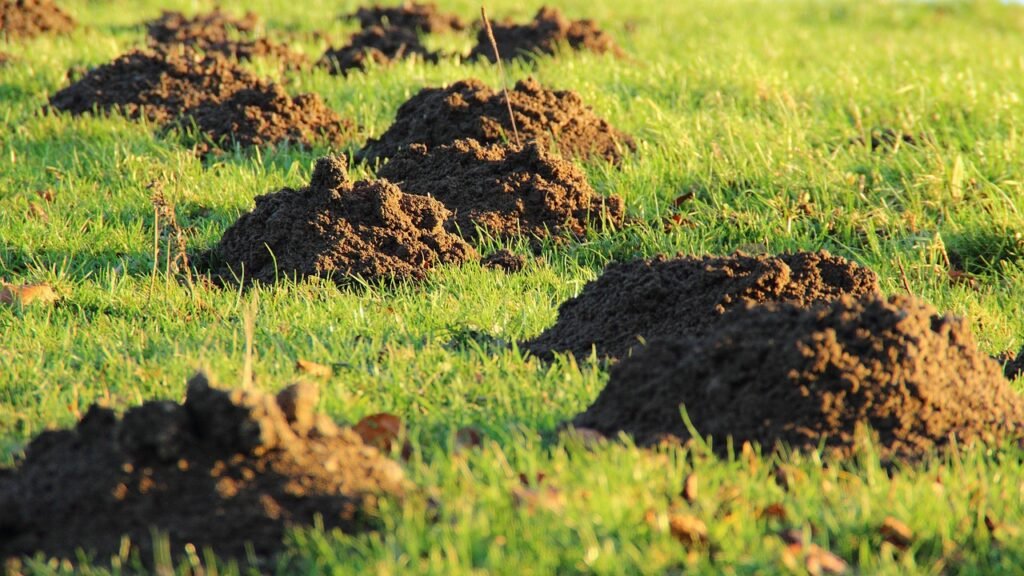
- Deal with the fresh soil mounds separately, because those sit above deeper tunnels and mark the core of the territory.
Trapping active runs is the approach with the most consistent record, and it is also the one your state most likely regulates. Some states restrict the trap types allowed, some require a license for paid work on someone else’s property, and rules on lethal control of wildlife change. Look up your own state wildlife or agriculture agency page, or hand the job to a licensed operator who already knows the current rules.
Why the famous home remedies keep failing
| Remedy | Why it disappoints |
|---|---|
| Chewing gum in the tunnel | The animal hunts by touch and smell and simply tunnels around it |
| Vibrating or solar stakes | Moles habituate to steady vibration within days |
| Flooding the runs with a hose | Water drains into deeper tunnels, the animal moves and returns |
| Grub treatment | Leaves the earthworm supply, which is the actual food, intact |
| Castor oil products | Can make an area less pleasant for a while, rarely clears it |
Living with a mole is a legitimate choice too. The tunneling aerates soil and the animal eats a lot of lawn pests, and in a large yard the cosmetic ridging is often less trouble than a season of control.
Moles or voles? The damage tells you
Voles are small rodents and they do eat plants. If bulbs vanish, bark is stripped near the base of a shrub, or you see narrow open runways pressed flat in the grass after the snow melts, that is vole work and the response is completely different.
Moles leave raised ridges and volcano shaped mounds of loose soil, with no open runway at the surface and no chewing damage. Confirming which animal you have before you spend a weekend on it saves the weekend.