
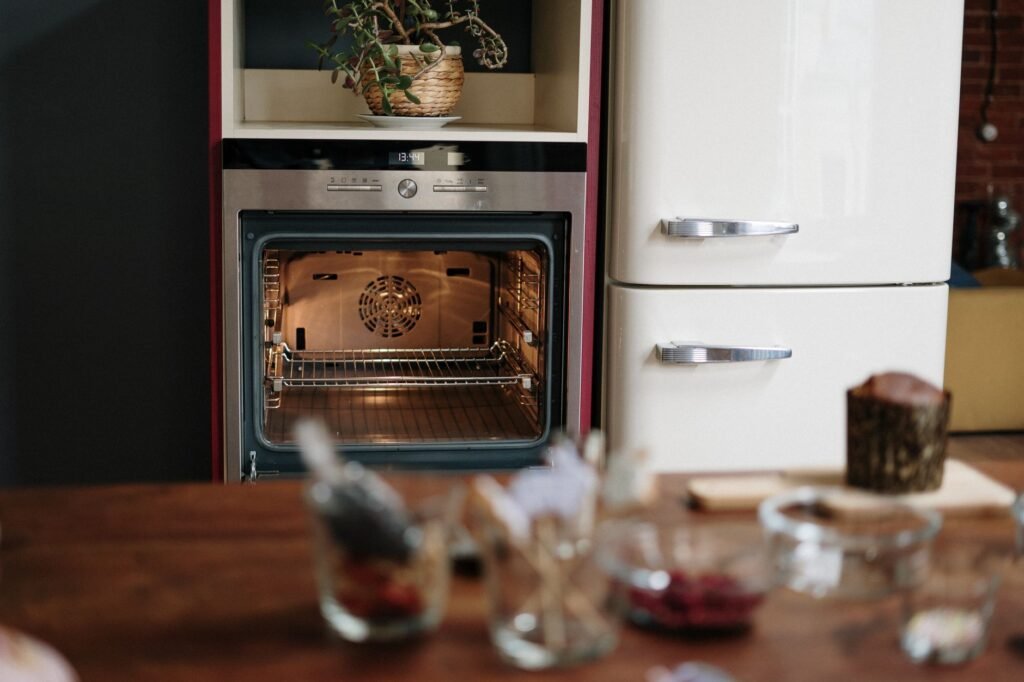
The easiest natural way to clean an oven is to coat the cold interior with a baking soda paste, leave it overnight, then wipe it out and spritz vinegar on any white residue. If your oven has a self clean or steam clean setting, those work too, but they have rules of their own.
Know which cleaning modes your oven has
Look at the control panel and the owner’s manual before you reach for any cleaner. Some ovens have a high heat self clean cycle, some add a gentler steam clean, and many older or budget models have neither. The mode your oven offers changes what is safe to put inside it.
| Method | How it works | Good for | Watch out for |
|---|---|---|---|
| Baking soda paste | A mild alkaline paste softens baked-on grease overnight | Any oven, light to heavy grime | Takes time and some scrubbing |
| Steam clean | Water poured on the floor of a cool oven is heated to loosen soil | Fresh spills and light grime | Will not shift thick, carbonized buildup |
| Self clean | Very high heat burns food soil down to ash | Heavy buildup, hands-off cleaning | Smoke and odor, locked door, racks may need removal |
On GE models, for example, the manufacturer’s cleaning guide says self clean heats the oven to about 880 degrees Fahrenheit and runs for one and a half to three hours, while steam clean uses 1 cup of water and takes about 30 minutes. Other brands differ, so go by your own manual.
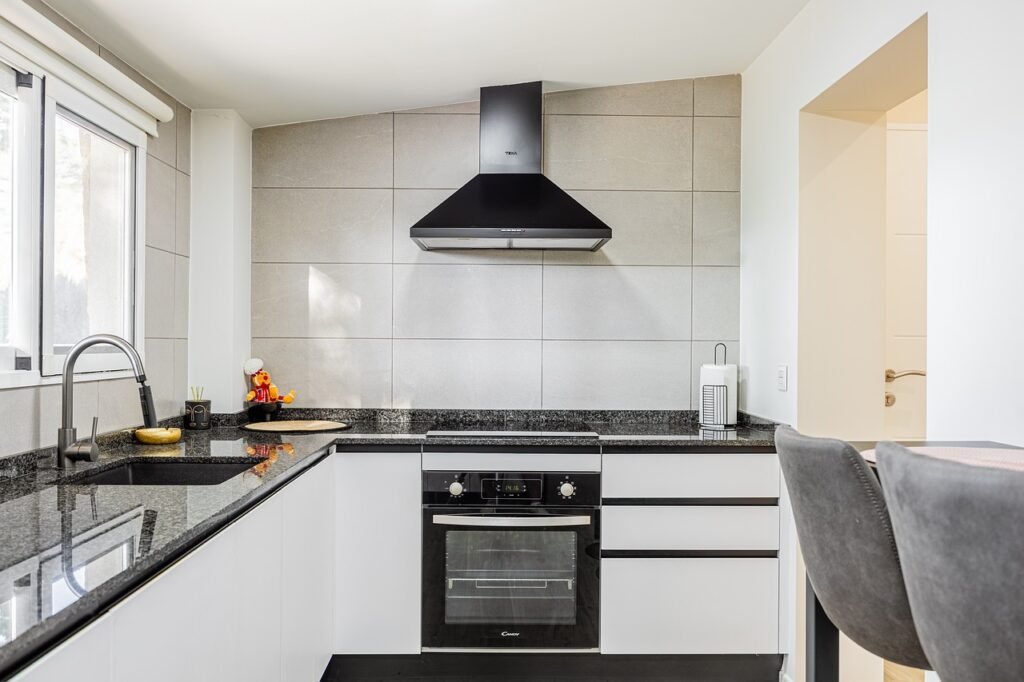
The baking soda and vinegar method, step by step
- Make sure the oven is off and completely cold. Pull out the racks, the thermometer and anything else loose.
- Mix baking soda with a little water until it is a spreadable paste, roughly the thickness of frosting.
- Wearing gloves, smear it over the floor, walls and inside of the door. Skip the heating element and the gas opening, and keep it off the door gasket.
- Close the door and leave it overnight. The paste will turn brownish as it lifts grease.
- Scrape off the loosened paste with a plastic spatula, then wipe with a damp cloth.
- Spray white vinegar on any chalky film left behind. It will fizz as it reacts with the baking soda, and then wipes away cleanly.
- Do a final wipe with clean water and let the oven air dry with the door open.
Getting oven racks clean in a tub or sink
Racks are easier to clean outside the oven. Lay an old towel in the bottom of a bathtub to protect the finish, set the racks on it, and cover them with the hottest tap water you have plus a generous squirt of dish soap. Let them soak for several hours or overnight, then scrub the bars with a nonscratch pad or an old brush, rinse and dry.
Check the manual before leaving racks inside for a self clean cycle. Some are designed to stay in, others discolor and start sticking on their slides, and GE says stainless steel racks in particular must come out.
Running a self clean cycle without surprises
Wipe up loose crumbs and big spills first, since heavy grease smokes more. Remove pans, foil and anything that isn’t meant to stay in. Crack a window or switch on the range hood, because the burn-off can smell strong, and plan to be home for the whole cycle. Many models lock the door until the oven has cooled, so check your manual for how yours behaves.
Afterward, wipe the ash out with a damp cloth once the oven has fully cooled. Do not rub the door gasket, the soft seal around the door, because scrubbing it can damage the seal.
One rule surprises a lot of people. GE tells owners not to use commercial oven cleaner or oven liners in a self clean oven at all, even products labeled as safe for them, because chemicals can etch and discolor the enamel. If you own another brand, read the cleaning section of your manual before you buy a can.
Clearing grime from the oven door glass
The inside of the glass collects a brown film that the paste method handles well. Spread a thicker baking soda paste on the cold glass, let it sit while you clean the racks, then work it in circles with a damp microfiber cloth and wipe clean. Many doors also trap drips between the two panes. Some models let you take the door off and separate the glass, so check your manual rather than forcing it.
Frequently asked questions
How often should you clean the inside of an oven?
There is no fixed schedule. Clean it when you notice smoke or a burnt smell during preheating, or when spills have built up on the floor. Wiping up spills once the oven has cooled after cooking keeps the job small and means you need a deep clean far less often.
Can I use oven cleaner spray instead of baking soda?
Commercial oven cleaners work on many ovens, but some manufacturers prohibit them in self clean models because they can damage the enamel. Check your manual first. If you do use one, follow the label, wear gloves, ventilate the kitchen and keep it away from the gasket and heating elements.
Why does my oven smoke after I clean it?
Smoke usually means residue is still in there, either leftover grease or cleaning product that was not fully wiped away. Let the oven cool, wipe every surface again with a damp cloth, and run it empty for a short while with the kitchen well ventilated before cooking food.