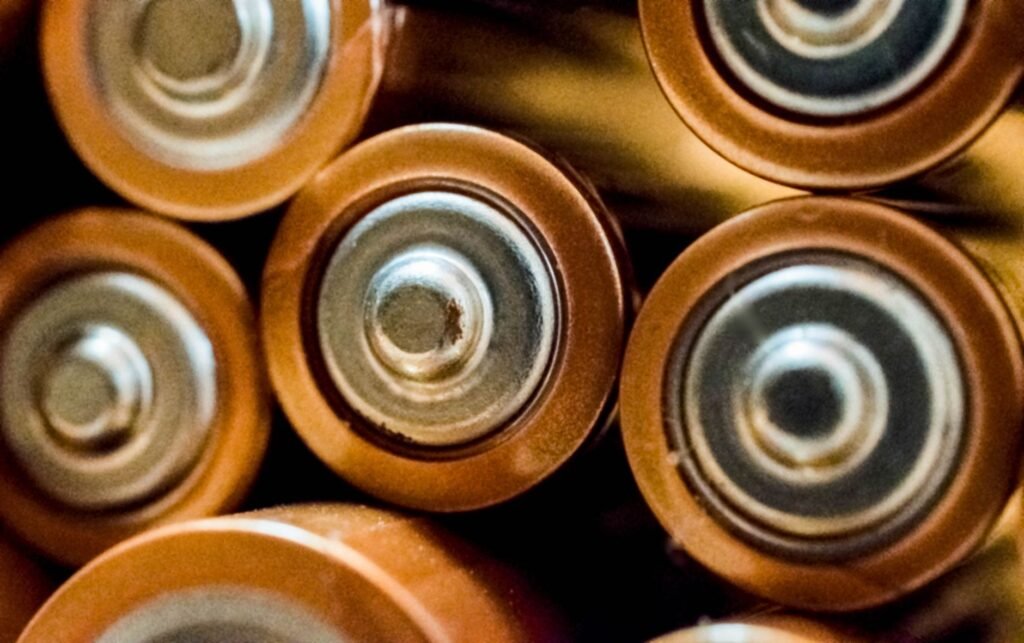
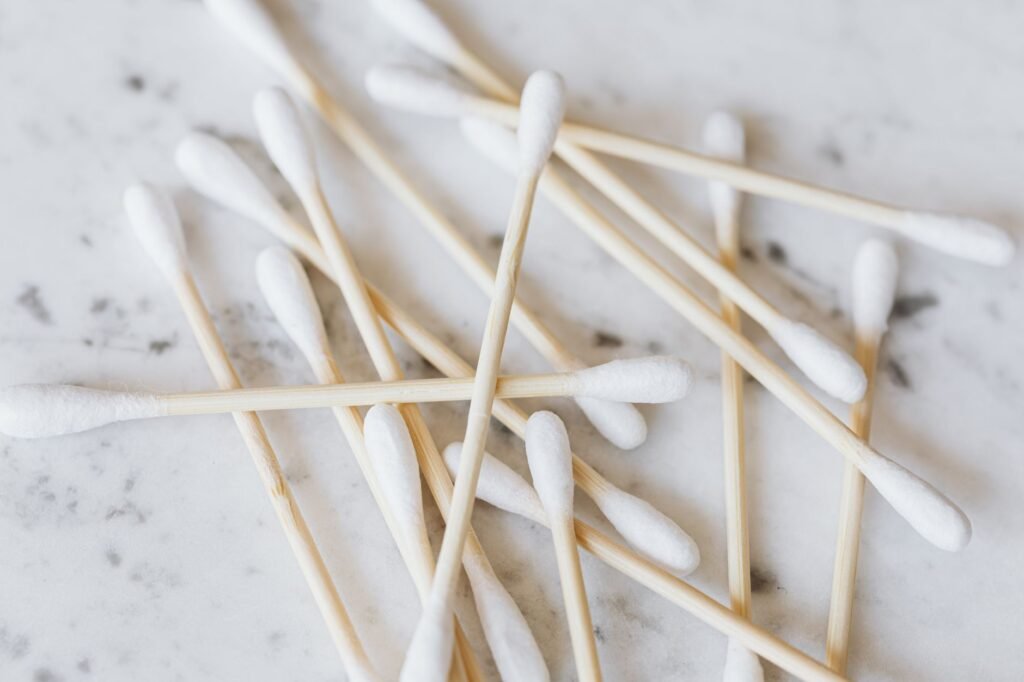
Put on gloves, remove the dead batteries, and dab the white crust in the compartment with a cotton swab dipped in white vinegar or lemon juice until it stops fizzing. Scrub the softened residue off with an old toothbrush, dry the contacts completely, and only then load fresh batteries.
The white crust from a leaking AA is alkaline, not acid
Most batteries in remotes, toys and flashlights are alkaline cells, and the liquid inside them is potassium hydroxide, a caustic base. When a battery fails and leaks, that electrolyte creeps out and reacts with carbon dioxide in the air, drying into the feathery white or bluish crystals you find around the contacts.
Because the leak is a base, a mild acid neutralizes it. Household white vinegar and lemon juice both work, and the fizzing you see is the reaction happening. Baking soda, the go to for car batteries, is the wrong choice here since it is a base too and will not cancel anything out. Car terminals are a separate job with a different chemistry.
Picking the right cleaner from the battery label
| Battery type | What leaks out | Cleaner that neutralizes it |
|---|---|---|
| Alkaline (most AA, AAA, C, D and 9 volt) | Potassium hydroxide, a base | White vinegar or lemon juice |
| Zinc carbon, often labeled heavy duty | An acidic electrolyte such as ammonium chloride | Baking soda mixed with a little water |
| Lead acid car battery | Sulfuric acid | Baking soda solution, handled as a separate job |
If the old batteries are already in the trash and you can’t check, assume alkaline. They are by far the common type in household gadgets.
Cleaning the compartment, start to finish
- Put on rubber or nitrile gloves and safety glasses. The residue is caustic and flakes can jump when you scrape.
- Pull out the batteries and seal them in a bag. Check your city or county household waste page for how to dispose of them.
- Dip a cotton swab in vinegar or lemon juice, squeeze out the excess, and dab the crust. Use only a few drops so nothing runs into the circuitry.
- Once the fizzing stops, scrub the softened residue with an old toothbrush and wipe it away with a dry swab.
- Rub dull contacts with a pencil eraser to bring back bare metal.
- Wipe the area with a swab barely dampened with water, then let the device air dry for several hours with the cover off.
- Load fresh batteries of the same type and test it.
Signs a leaky flashlight or toy is beyond repair
Corrosion that stays on the contacts is usually fixable. Trouble starts when the electrolyte has wicked along the wires or seeped through gaps into the circuit board, which happens when a device sat with dead batteries for months. Peek through the compartment or remove the back panel if it has screws.
Green or blue fuzz on the board, wires that snap when you touch them, and spring contacts eaten down to stubs all point to deeper damage. Some devices take replacement battery contacts, and a handy person can sometimes solder new ones in. For a cheap remote or toy, replacing it is usually the sensible call. If fresh batteries and clean contacts still produce nothing, or the device works only when you squeeze the cover, the damage is past the compartment.
If the residue touches skin or eyes
Potassium hydroxide can irritate skin, so rinse any contact with running water right away and wash your hands after the job even if you wore gloves. Eyes are the real risk. If a flake or splash gets in an eye, rinse it with clean water for a long stretch and call Poison Control or a doctor. Keep the whole job away from small children, who tend to handle the crust out of curiosity.
Prevention is mostly about timing. Take batteries out of anything you won’t use for a while, such as holiday decorations or a spare flashlight, and when you replace batteries, change every cell in that gadget together. Check the compartments of rarely used gadgets once or twice a year, since a leak caught early is a quick cleanup.
Frequently asked questions
Is battery corrosion dangerous to touch?
The crust from an alkaline leak is caustic and can irritate skin, and it is harmful in eyes. Brief contact with a fingertip is usually handled by rinsing with water and washing with soap. Wear gloves when cleaning, keep hands away from your face, and call Poison Control if any gets in an eye.
Can I use baking soda on AA battery corrosion?
Baking soda is the wrong match for alkaline batteries, because their leak is already a base and baking soda is a base too. Use white vinegar or lemon juice instead. Baking soda is the right choice only for acidic leaks, such as car batteries and some zinc carbon cells labeled heavy duty.
Why do batteries leak in devices?
Leaks happen most often when drained batteries are left sitting in a device, when old and new cells are mixed, or when batteries are exposed to heat. The chemical reaction inside keeps producing gas and pressure until the seal gives way. Removing batteries from unused devices is the best prevention.