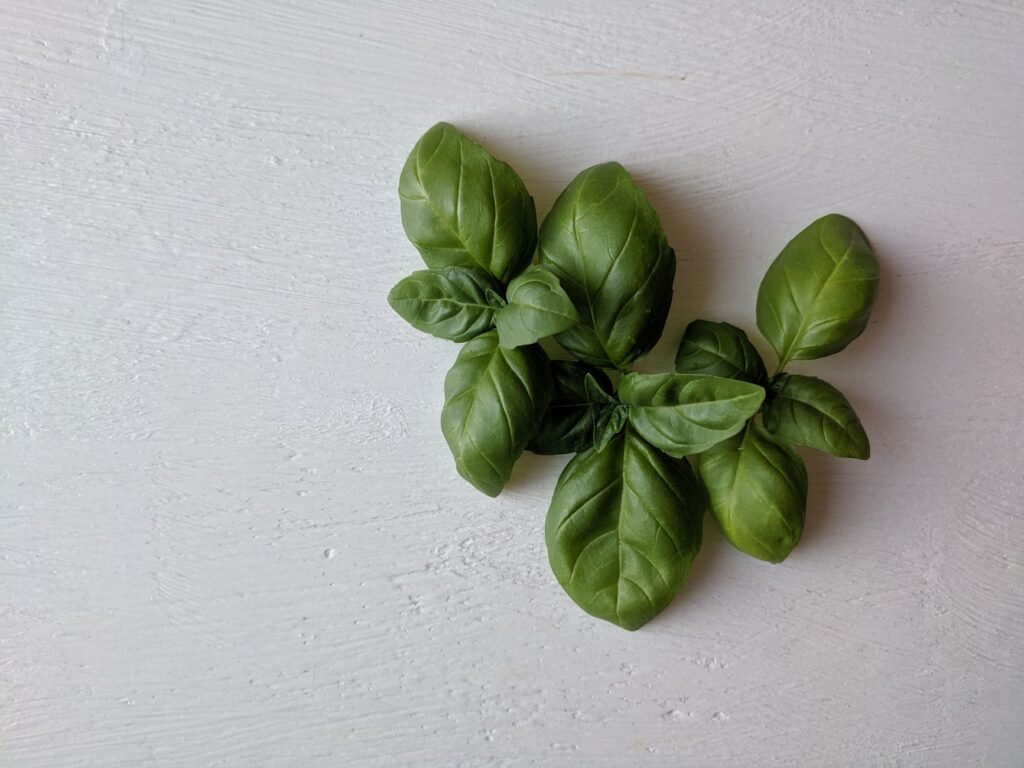
Freeze woody herbs whole and freeze soft herbs only for dishes you will cook. Rosemary, thyme and sage leave the freezer almost unchanged. Basil, cilantro and parsley lose their structure the moment ice crystals split the cell walls, so they belong in a hot skillet, not sprinkled over a finished plate.
Why the freezer is gentle with some herbs and brutal with others
A leaf is mostly water parked inside cell walls. Chilling that water past its freezing point grows crystals with sharp edges, and the edges puncture the walls from the inside. Once the leaf warms up again the liquid escapes, and what you pull out is slumped, darkened and slick. That is structural damage rather than spoilage, and it decides what the herb can still do for you afterward.
Tough little leaves carry less water per leaf and wear a waxy coat, so the puncturing barely shows. Broad thin leaves are close to pure water, so they take the whole hit. Sort your rack by that single property before you open a bag or fill a tray.
| Herb | Stem type | What the freezer does | Use it for |
|---|---|---|---|
| Rosemary, thyme, sage, oregano, bay | Woody | Very little visible change | Anything, including a finish on roasted food |
| Basil, cilantro, parsley, dill, tarragon | Soft | Goes limp and darkens on thawing | Sauces, soups, braises, marinades |
| Chives, green onion tops | Soft but hollow | Keeps shape better than broad leaves | Scattering into eggs or potatoes while they cook |
| Mint | Soft | Loses body, keeps aroma well | Syrups, teas, yogurt sauces |
Loose sprigs on a tray, and the jobs that suits
This is the method for woody herbs, and it is close to effortless. You want separate pieces you can grab by the pinch, not a clump you have to chisel apart.
- Rinse only if the sprigs are gritty, then dry them until no beads remain on the surface. Surface water is what glues pieces together.
- Spread whole sprigs across a sheet pan so none of them touch.
- Set the pan flat in the freezer until the sprigs are stiff. That usually takes an hour or two, longer if the pan is crowded or the freezer is packed.
- Tip the stiff sprigs into a bag, squeeze out whatever air you can reach, then write the herb and the month on the outside.
- Pull a sprig straight from the bag and strip the leaves off with your fingers. Frozen leaves snap away from woody stems far more easily than fresh ones do.
The same tray step works for soft leaves, and it gives you loose handfuls instead of a brick. Just remember what comes out is cooking material, not garnish.
Oil locked cubes, and where they beat a plain bag
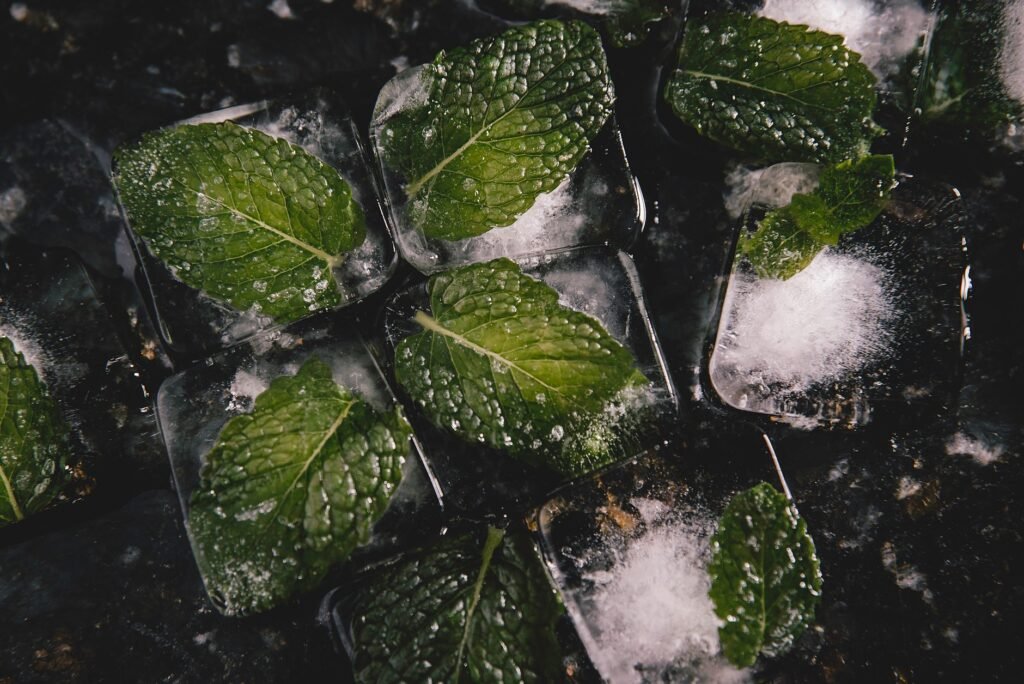
Coating chopped leaves in fat and freezing them in a tray solves a different problem. Air is what dulls a soft herb over time, and a layer of oil or melted butter shuts the air out. The cube also portions itself, so you drop one into a pan and get a consistent amount every time.
Chop the leaves, pack them into the wells of a tray, then pour in enough oil to cover. Once the tray sets hard, twist the cubes free and tip them into a bag so the tray returns to duty. Match the fat to the cooking: olive oil for Mediterranean dishes, neutral oil for curries and stir fries, butter for a pan sauce.
The trade is that every cube arrives with fat attached, which is welcome in a braise and unwelcome in a vinaigrette. Keep a small bag of tray frozen leaves alongside the cubes if you want that option.
Mistakes that turn good herbs into a green brick
- Bagging leaves while still damp from rinsing. The water freezes between the leaves and welds the lot into one lump.
- Skipping the label. Frozen parsley, cilantro and tarragon look nearly identical through plastic, and guessing wrong ruins the dish rather than the herb.
- Leaving air in the bag. Trapped air dries the exposed edges and leaves them pale and papery, which is freezer burn doing its work.
- Thawing before use. Soft herbs belong in the pot while still frozen, because sitting on the counter is when the real collapse happens.
- Refreezing a partly melted cube. The second round of crystals is coarser than the first, and the texture never recovers.
Shelf life depends on how tightly the bag is sealed and how often the door opens, not on a date you can look up. Aroma is the honest test. Crush a piece between your fingers, and if you get little back, the herb has given what it has.
Frequently asked questions
Do you need to blanch herbs before freezing them?
No, blanching is optional and most home cooks skip it. A quick dip in boiling water followed by ice water does hold color better in parsley and basil, but it also washes out some aroma and adds a wet step you then have to dry off. Freezing raw is simpler and tastes stronger.
Can you freeze herbs with the stems still attached?
Yes for woody types, where the stiff stem makes a convenient handle and the leaves strip off cleanly once frozen. Soft stems are a different case. Basil and cilantro stems hold a lot of water, so they thaw into slimy threads that are unpleasant to find in a finished sauce.
Why does frozen basil turn black instead of staying green?
Basil bruises easily, and the cold damages the same tissue that darkens when you crush a leaf by hand. Enzymes inside the broken cells react with air and produce that inky look. Coating the chopped leaves in oil before freezing blocks most of the air and keeps the color much closer to green.