
Build a blend from three oils, one top note, one middle, one base, in small drop counts, then dilute the finished blend into a carrier oil before it touches skin. Test on a paper strip before committing, because a blend in the bottle smells different from a blend on skin.
Blend by note, not by favorite smell
Perfumers sort aromas by how fast they evaporate. A blend built from only one category collapses quickly or never opens up at all.
| Note | Behavior | Common examples |
|---|---|---|
| Top | Hits first, fades within an hour | Lemon, sweet orange, bergamot, peppermint |
| Middle | The body of the blend | Lavender, geranium, rosemary, chamomile |
| Base | Slowest, anchors the rest | Cedarwood, patchouli, vetiver, frankincense |
A workable starting ratio is roughly three parts top, two parts middle, one part base, counted in drops. Strong oils such as peppermint, clove, and patchouli need fewer drops than that suggests, so reduce them and build up.
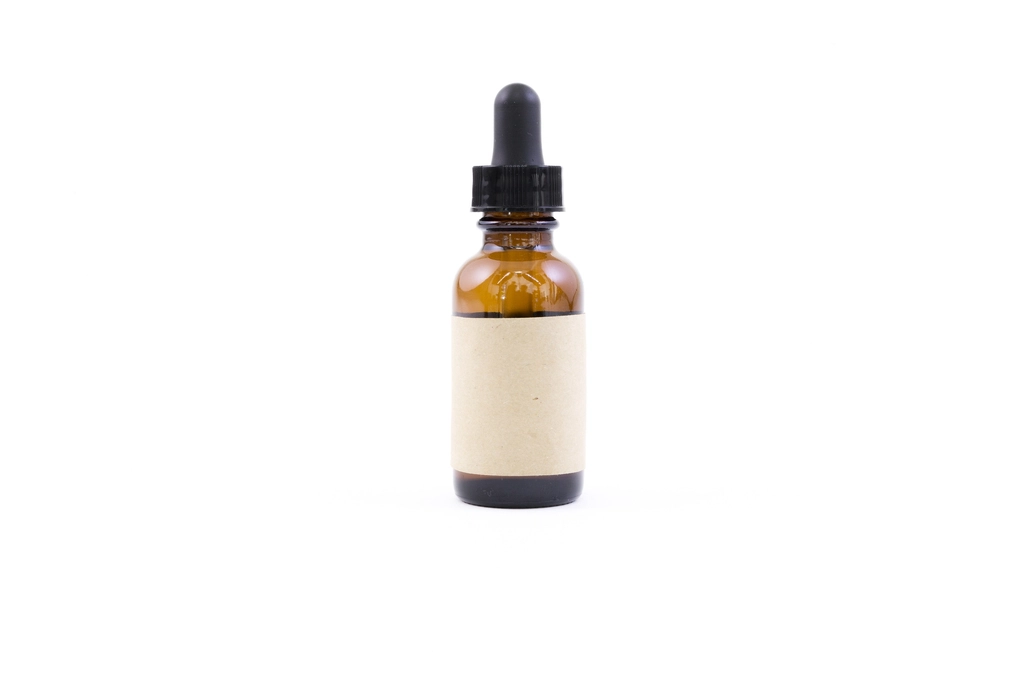
Mix a test blend first
- Smell each oil separately from a paper strip, holding it a few inches away. Sniffing the bottle directly overwhelms your nose within a few oils.
- Make a paper test before a liquid one. Put one drop of each candidate oil on its own strip, hold the strips together, and fan them under your nose. This costs three drops instead of a whole bottle.
- Mix a tiny batch, around ten drops total. Use a clean glass bottle and count out loud, because losing track is easy with a dropper.
- Let it rest before judging. Cap it and leave it a day or longer. Blends change as the components settle, and the first impression is not the final one.
- Write down every drop count. An unrecorded blend you love cannot be repeated, and this happens to everyone once.
- Scale up only after resting. Multiply the recorded recipe rather than eyeballing a bigger version.
Clear your nose between rounds by smelling your own sleeve or stepping outside. Coffee beans are traditional and not especially effective.
Dilution and safety basics
- Always dilute for skin. Common general use dilutions for adults are around one to two percent of the finished mixture, which works out to a small number of drops per tablespoon of carrier oil.
- Patch test a new blend on a small area of inner forearm and wait a day before wider use.
- Citrus oils can increase sun sensitivity. Bergamot and cold pressed lime are the commonly cited ones. Keep them off skin that will be in the sun.
- Do not ingest essential oils and keep them away from eyes, inner ears, and broken skin.
- Store in dark glass. Plastic degrades and light accelerates oxidation.
- Ask a doctor first if you are pregnant, if the blend is for a child, or if anyone in the house has asthma or a known allergy. Pets, cats in particular, react differently to diffused oils than people do.
This is general practice for making things smell good, not health advice, and essential oils are not a substitute for medical care.
Fixing a blend that smells wrong
Too sharp usually means too much top note, so add a drop of base and let it rest again. Flat and heavy means the reverse, so add a citrus or herbal top. A blend that smells medicinal often has two strong herbal middles competing; drop one entirely rather than adding more of something else.
When nothing helps, set it aside for a week. Noses recalibrate, and a blend that seemed unusable often reads fine later. Keep the failures labeled, since they teach you more about proportion than the successes do.