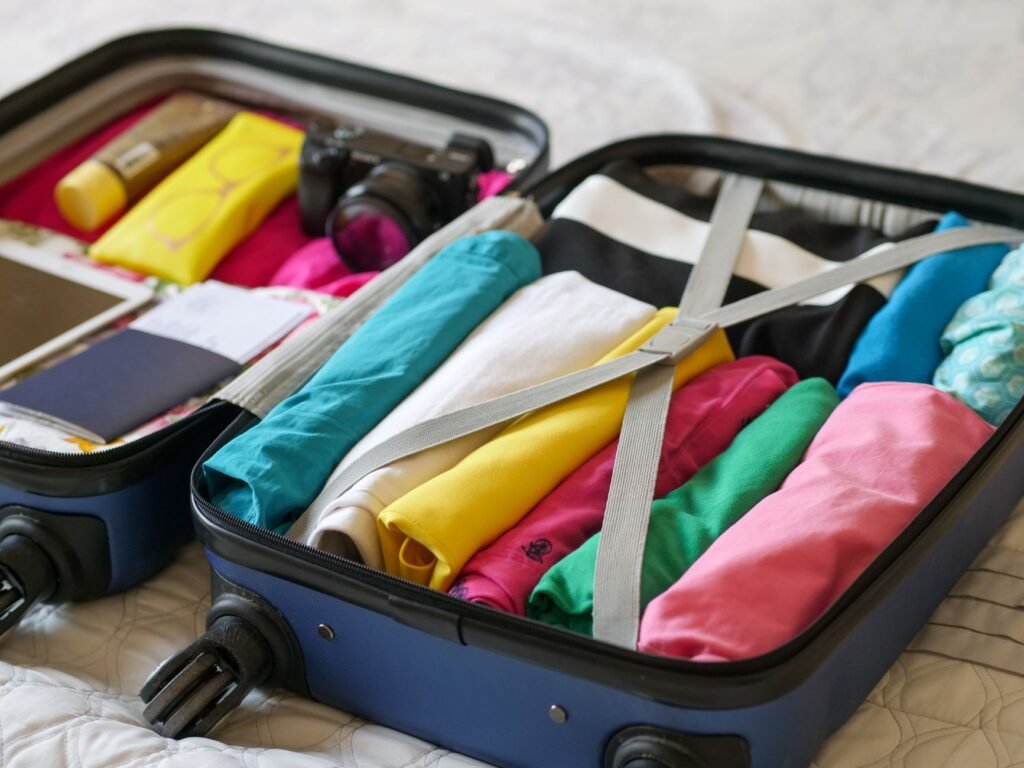
To pack a suitcase efficiently, plan outfits that share pieces, roll soft clothes and fold stiff ones, and load heavy items at the wheel end first. Fill gaps with socks and small items, keep liquids and spare batteries in your carry on, and weigh the bag before you leave home.
Plan the load before anything goes in the bag
Efficient packing starts on the bed, not in the suitcase. Check the weather for your destination and list what you will actually do each day. Then lay out outfits built around two or three colors so tops and bottoms mix freely. A pair of trousers that works with every top you bring does more work than three that each match one shirt.
Count the days and plan to rewear some pieces, especially jeans, sweaters and jackets. If you will have laundry access, you can pack for half the trip. Put the heaviest shoes and bulkiest jacket aside to wear on travel day, since that frees the most space of any single decision. Limit shoes to two or three pairs that cover every plan on the list.
Rolling, folding and packing cubes compared
Each packing method has strengths, and most efficient packers mix them depending on the fabric.
| Method | Works best for | Drawback |
|---|---|---|
| Rolling | T shirts, knits, casual pants, sleepwear | Can crease crisp cotton and linen |
| Flat folding | Dress shirts, blazers, structured pieces | Takes more surface area |
| Bundle wrapping | A few wrinkle prone items wrapped around a soft core | You unpack the whole bundle to reach one piece |
| Packing cubes | Grouping by outfit, person or day | Cubes add a little weight and bulk |
| Compression bags | Bulky sweaters and jackets | Squeezes space, not weight, so bags can get heavy |
Loading order for a rolling suitcase
- Put shoes along the wheel end, soles against the shell, each in a bag. Stuff socks or chargers inside them.
- Add the heaviest items next, near the wheels, so the bag stays stable and does not tip when you stand it up.
- Layer rolled clothes or filled packing cubes in the middle, packed snugly so nothing shifts.
- Tuck belts, underwear and small items into the gaps along the edges.
- Lay folded shirts and jackets flat on top, where they are crushed least.
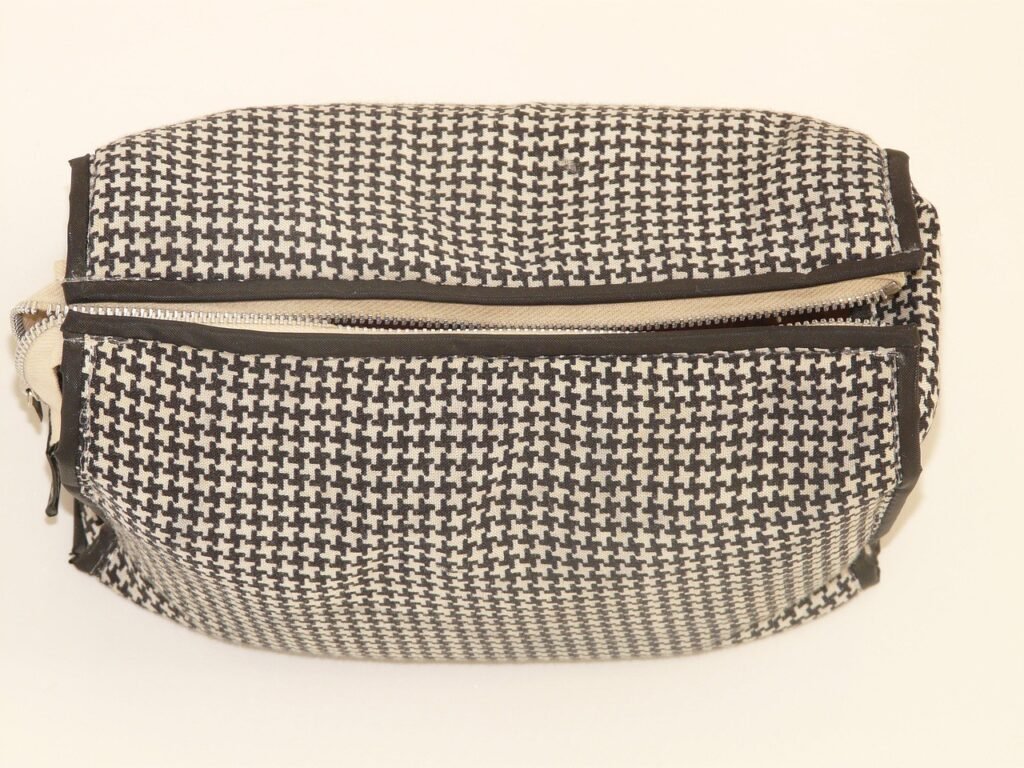
- Finish with a toiletry bag, sleepwear and anything you want first on arrival.
Zip the bag and lift it by the top handle. If it feels lopsided, move a heavy item toward the wheels and the center.
Liquids and batteries go where security expects them
For a carry on, the TSA liquids rule limits liquids, aerosols, gels, creams and pastes to containers of 3.4 ounces or 100 milliliters or less, all fitting in one quart sized bag. Larger containers belong in your checked bag. Medications and infant or child nourishment are exempt from the size limit, and the TSA site explains how to present them at the checkpoint.
Batteries follow the opposite logic. The TSA lithium battery rules require spare lithium batteries and power banks to travel in carry on bags only, never checked. Devices with batteries installed, such as laptops and cameras, can go in either. Keep chargers, medications, keys and a change of clothes in your carry on too, in case the checked bag is delayed.
Keeping wrinkles and weight under control
Wrinkles come from loose clothes sliding around, so a snugly packed bag wrinkles less than a half empty one. Button shirts before folding them, and place a layer of tissue or a dry cleaning bag between delicate pieces to reduce friction. Hang wrinkle prone items in the bathroom during your first shower on arrival, and the steam will relax most creases.
Weight limits vary by airline and fare, so check your ticket or the airline’s baggage page before packing rather than assuming. A handheld luggage scale or weighing yourself with and without the bag on a bathroom scale will tell you where you stand. Leave some room for anything you bring home, or pack a foldable tote in the outer pocket for the trip back.
Frequently asked questions
Is rolling or folding better for saving space?
Rolling usually fits more soft clothing into a suitcase and fills odd gaps well, while folding keeps structured pieces like dress shirts and blazers crisper. Most people get the best result by rolling knits and casual clothes and laying folded items flat on top where they are crushed least.
Do packing cubes really help?
They mostly help with organization rather than squeezing in more. Cubes keep outfits or each traveler's clothes together, make it easy to find things without unpacking everything, and hold rolled clothes firmly in place. Compression cubes save some space, but they cannot reduce weight.
Can I put a power bank in my checked luggage?
No. TSA rules say spare lithium batteries and power banks, including phone charging cases, must go in carry on bags only. Lithium ion batteries are limited to 100 watt hours each under that rule. Laptops and phones with batteries installed can go in either bag.
How do you pack a suit in a suitcase?
Fold the jacket so the lining takes the creases. Turn one shoulder inside out, tuck the other shoulder into it, fold the jacket in half lengthwise and lay it flat on top of the other clothes. Fold the trousers along their creases, and slip both pieces into a dry cleaning bag to cut friction.
What size is a carry-on suitcase?
Delta allows a carry-on of up to 22 by 14 by 9 inches, or 56 by 35 by 23 centimeters, including wheels and handles. Limits and fees differ from airline to airline and sometimes by fare, so measure your bag with the wheels and handle included and check your own airline's baggage page before you fly.