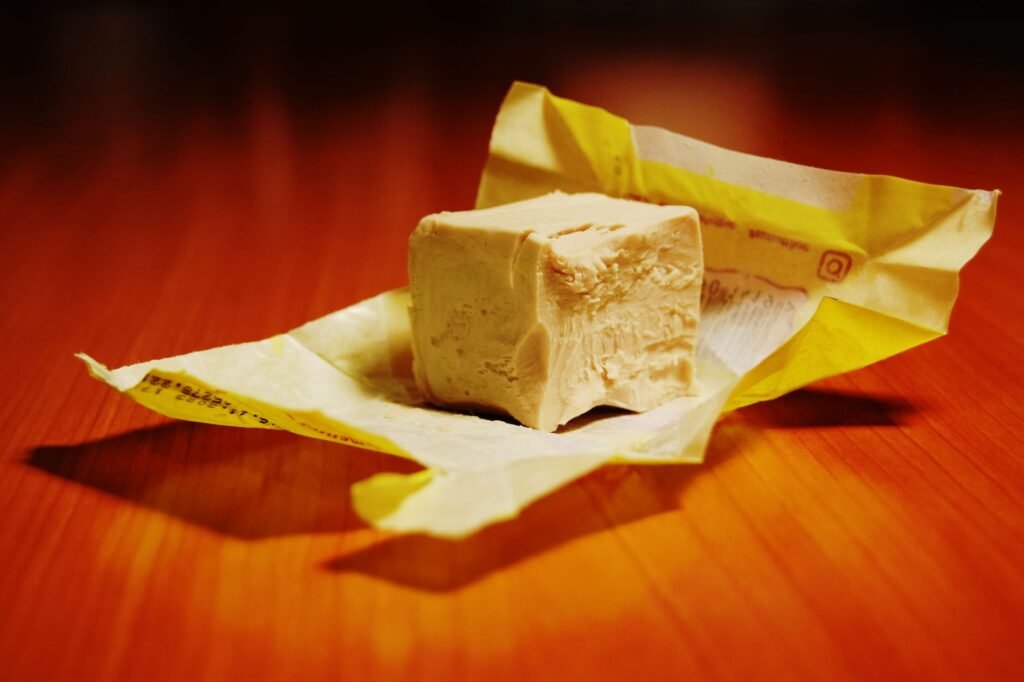
To proof active dry yeast, stir one packet into a quarter cup of warm water at 100 to 110°F with a teaspoon of sugar, then wait about 10 minutes. If it foams up to around the half cup mark, the yeast is alive and ready. Flat water with no bubbles means the yeast is dead.
Proofing active dry yeast in a measuring cup
Proofing is a quick test that tells you the yeast can still eat sugar and give off gas, before you commit flour and time to a loaf. Fleischmann’s gives these amounts for one packet.
- Pour 1/4 cup of warm water into a clear glass measuring cup that holds at least a cup.
- Check the temperature with an instant read thermometer. You want 100 to 110°F.
- Stir in 1 teaspoon of sugar until it dissolves.
- Sprinkle in one packet of active dry yeast, which is 2 1/4 teaspoons, and stir until no dry granules float on top.
- Leave it alone for 10 minutes, then look at the level.
If the foam reaches roughly the half cup line, add the mixture to your dough and reduce the recipe’s water by the amount you already used. A clear measuring cup makes the rise easy to read.
Liquid temperature by yeast type
Different yeasts want different handling, and the temperature that suits one can be wrong for another. Always follow the directions on your packet if they differ.
| Yeast type | Proof first? | Liquid temperature | How it goes in |
|---|---|---|---|
| Active dry | Yes, recommended | 100 to 110°F | Dissolved in warm water first |
| Instant or rapid rise | No | 120 to 130°F, per Fleischmann’s | Mixed into the flour, then warm liquid added |
Instant yeast has smaller granules and is designed to go right into the dry ingredients. Warmer liquid works for it because the flour absorbs some heat before the yeast feels it. Active dry yeast has larger granules that need to dissolve fully in water before they can work.
If you do not own a thermometer, water that feels comfortably warm on your wrist, like a baby bottle, is a rough stand in. It is guesswork, so a cheap thermometer is the better bet for a loaf you care about.
Reading the foam after ten minutes
A good proof looks creamy and bubbly, with a rounded foam cap and a smell like bread or beer. You may see activity within a few minutes as the granules soak up water.
A thin layer of bubbles that never climbs means the yeast is weak. Bread made with it may rise slowly or end up dense. You can wait a few extra minutes in case the water was on the cool side, but if nothing changes, open a fresh packet rather than hoping the dough will fix it.
No bubbles at all means the yeast is dead, or the water was hot enough to kill it. Pour it out and start again with a new packet and a thermometer reading.
Why instant yeast skips the proofing step
Fleischmann’s notes that its instant yeast loses its fast rising ability if you dissolve it in liquid first. That is why recipes using instant or rapid rise yeast tell you to whisk it with the flour instead.
If you are unsure whether an old jar of instant yeast is still good, you can test a small pinch in warm, sugared water and throw that sample away afterward. The rest of the jar stays dry and keeps its speed. If a label does not say which type you have, look up the product on the maker’s website before you decide whether to proof it.
Why a proof fails even with a new packet
When fresh yeast does not foam, the water temperature is the first suspect. Hot tap water can easily run past the safe range, and yeast does not survive being scalded. Measure rather than guess.
Other culprits are simpler to spot. Salt added to the proofing water slows yeast, so save it for the flour. A packet stored somewhere warm, like above the stove, can die before its date. Check the expiration date printed on the packet, and follow the storage directions on the jar once it is open. Milk used in place of water should also be warmed to the same range, not scalded, before the yeast goes in.
Frequently asked questions
Can you proof yeast without sugar?
Yes. Yeast will still activate in warm water alone, but it usually foams more slowly and less dramatically, which makes the test harder to read. A teaspoon of sugar gives the yeast easy food and a clear, fast result, and it is a tiny amount compared with most bread recipes.
What happens if you use yeast that did not proof?
The dough will likely rise very little or not at all, leaving a dense, heavy loaf. Since the flour and other ingredients are already mixed in, you lose all of them. Proofing first costs ten minutes and a quarter cup of water, which is why many bakers still do it.
Does proofing yeast mean the same as proofing dough?
No. Proofing yeast is the quick test in warm water to see whether the yeast is alive. Proofing dough, sometimes called the final rise, is when the shaped dough sits and puffs up before baking. The word is shared, but they are separate steps.
Is active dry yeast the same as instant yeast?
No, though they do the same job in dough. Fleischmann's says active dry yeast has larger particles that should be dissolved in water first, while instant yeast is finely granulated and goes right into the flour. Red Star calls instant yeast faster acting and active dry more moderate, so rise times differ.
Can I use active dry yeast instead of instant yeast?
Yes, in most recipes. Red Star says the two can be swapped one for one when you knead by hand or with a stand mixer, though bread machines need different amounts. Dissolve the active dry yeast in some of the recipe's warm water first, and expect the dough to rise more slowly.
How long does active dry yeast last?
Unopened, use it by the date printed on the package, which is 2 years from packaging on Red Star's jars. Once opened, Fleischmann's says to keep yeast airtight in the refrigerator and use it within 3 to 4 months. A quick proof shows whether older yeast is still alive.