

Cool brownies completely, leave the slab uncut, and keep them in an airtight tin at room temperature. Sugar and fat are what hold a brownie together, and both behave badly in cold air. Refrigerate only if the topping demands it. For anything longer than a few days, wrap and freeze instead.
Why the counter beats the refrigerator here
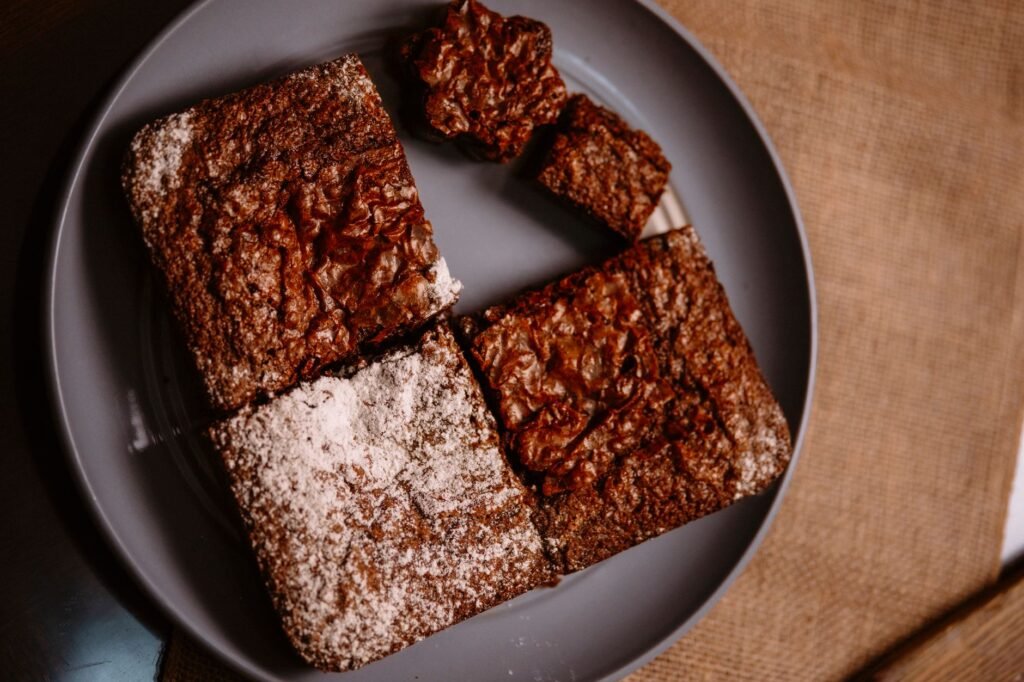
A brownie is mostly sugar, butter and chocolate with a little flour holding the structure. Sugar clings to moisture, which is the reason a good batch stays soft on the counter while a slice of sandwich bread goes stale in a day. Chill that same brownie and the fat firms up, the crumb tightens, and the edges go crumbly.
Cold also carries odors. An open pan sitting next to leftover garlic chicken picks up more of that dinner than anyone wants in dessert.
| Storage choice | What you get |
|---|---|
| Uncut slab, sealed tin, counter | Best texture, several days |
| Cut squares, sealed tin, counter | Fine, dries from the edges inward |
| Pan left on the stove under foil | Crusty top, dry corners by morning |
| Refrigerator | Firm, muted flavor, picks up smells |
| Wrapped and frozen | Closest to fresh after the first week |
When the frosting makes the decision
The brownie underneath almost never needs cold. The layer on top sometimes does. Cream cheese frosting, whipped topping, a custard layer or anything with eggs stirred in raw belongs in the refrigerator, full stop. A cooked chocolate ganache or a plain butter and powdered sugar frosting is happy on the counter. If the topping has to be chilled, take the pan out well before serving so the squares are not still cold in the middle.
Freezing squares that still taste baked
- Cool the pan all the way down. Wrapping warm brownies traps steam and the tops go sticky.
- Cut the portions you want now, since frozen brownies do not cut cleanly later.
- Wrap each square tightly, pressing the wrap against every cut face so no air sits against the crumb.
- Group the wrapped squares into one sealed bag or container, which is the layer that keeps freezer smells out.
- Label the bag with the date, because unlabeled foil bricks all look the same in two months.
- Thaw on the counter still wrapped, so condensation lands on the wrap instead of the brownie.
Small habits that ruin a good pan
Covering the pan while it is still warm is the big one. The steam has nowhere to go, it lands back on the surface, and that shiny crackly top turns tacky.
After that: slicing the entire batch immediately for looks, storing them in the pan with foil draped over the top so air moves freely underneath, stacking squares without parchment between the layers until they fuse into one block, and keeping the tin above the stove where every burner cycle warms it. Leaving them uncovered on a plate overnight does the most damage the fastest.
Stale, or actually finished
Dry and firm is not spoiled. That batch still works warmed briefly, crumbled over ice cream, or blended into a milkshake. Brownies keep tasting fine long after they stop feeling fresh.
What ends a pan is visible fuzz anywhere on the surface, an off or sour smell when you open the tin, or a filling that has gone slick and weepy. Cream cheese and fruit toppings are the usual culprits, and they turn well before the brownie does.