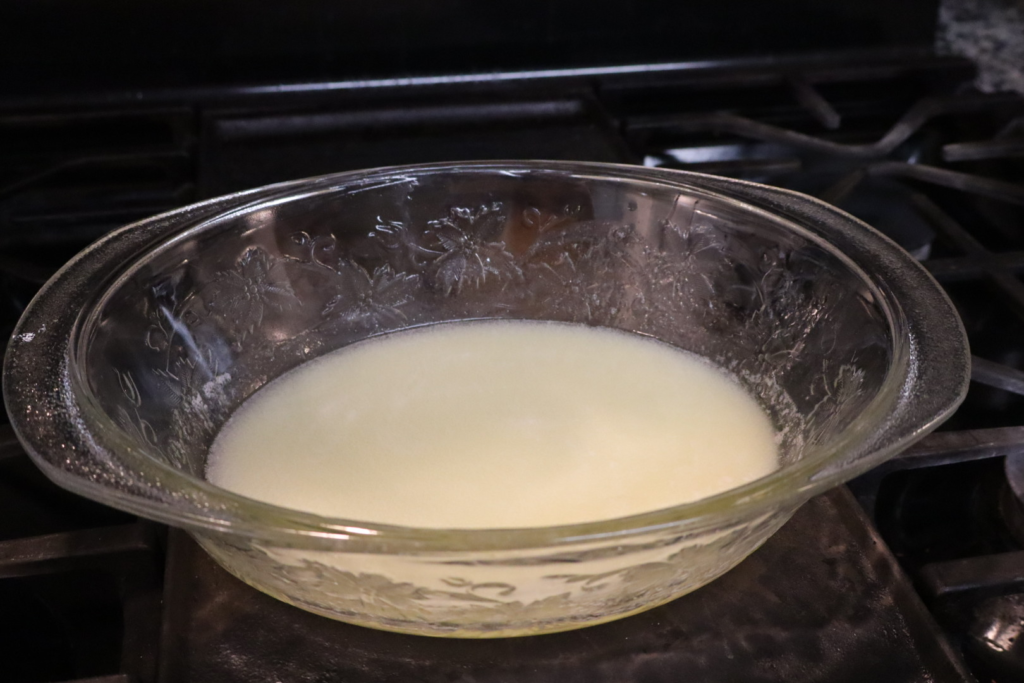
The easiest swaps are melted butter, canola oil, light olive oil, melted coconut oil or melted shortening, all used one for one. Applesauce, yogurt and mashed banana also work, but because they add moisture without fat they push brownies toward a cakey texture rather than a dense, fudgy one.
The Swap Chart
Vegetable oil does two jobs in a brownie. It coats the flour so less gluten forms, which is what makes the bar chewy instead of bready, and it stays liquid at room temperature, which is why oil brownies feel fudgier than butter ones straight from the pan.
| Substitute | Ratio | What changes |
|---|---|---|
| Melted butter | 1:1, or slightly more | Richer flavor, a little more cakey |
| Canola or sunflower oil | 1:1 | No detectable difference |
| Light olive oil | 1:1 | Faint fruity note |
| Melted coconut oil | 1:1 | Firmer when cold, slight coconut aroma |
| Melted shortening | 1:1 | Very close to oil, blander flavor |
| Unsweetened applesauce | 1:1 or half swap | Cakey and springy, less chew |
| Plain Greek yogurt | Half swap | Moist, slight tang, softer crumb |
| Mashed banana | 1:1 | Definite banana flavor |
| Mayonnaise | 1:1 | Works fine, it is oil and egg already |
How to Make the Swap Without Guessing
- Measure the oil amount the recipe calls for and pick one substitute from the chart rather than combining several.
- If you are using butter, melt it and let it cool until it is barely warm. Hot fat will scramble the eggs when you mix.
- Whisk the fat with the sugar and eggs first, exactly where the oil would have gone.
- Fold in the dry ingredients until they just disappear. Overmixing is what makes swapped brownies tough.
- Check five minutes earlier than the recipe says. Fruit purees and yogurt bake faster and dry out quickly.
Fudgy Versus Cakey Is the Real Decision
Every question about oil substitutes is really a question about texture. Fat is what makes a brownie fudgy, so any swap that keeps the fat level the same keeps the texture the same. Swaps that replace fat with water or fruit puree cut the fat and add moisture, and moisture plus flour plus leavening is the definition of cake. That is not a failure, it is just a different bar.
So decide first. If you want the brownie you had in mind, reach for another fat. If you are swapping for other reasons and can live with a lighter, softer square, applesauce or yogurt will do the job. Splitting the difference, half oil and half applesauce, is the compromise most people end up liking.
Two Details That Save the Batch
Coconut oil hardens below about 76F, so brownies made with it feel firm and snap slightly straight from the refrigerator. Let them come to room temperature before judging the texture. And when you use a liquid sweetened substitute like applesauce, remember it brings a little sugar with it. If the brownies come out cloying, pull a tablespoon or two of sugar from the recipe next time.
Frequently asked questions
Is melted butter a straight swap for oil in brownies?
Close, but not exact. Butter is only about eighty percent fat, with the rest water and milk solids, so a cup for cup swap gives you slightly less fat. Use a little extra butter if you want the same fudgy density, and cool it before mixing.
Will applesauce ruin my brownies?
It will not ruin them, but it changes what you get. Applesauce contributes moisture without fat, so the result is softer, springier and closer to chocolate cake than to a dense brownie. Swapping only half the oil keeps more of the original chew.
Can I use olive oil in brownies?
Yes, and it works better than people expect because chocolate carries the flavor well. Choose a mild or light olive oil rather than a peppery extra virgin one, and swap it one for one. Expect a slightly fruity note in the finished bar.
Spotted an error on this page? Email support@knackdaily.com with what is wrong and we will correct the page.