Oranges last far longer in the refrigerator than in a bowl on the counter, provided they sit in a single loose layer and stay dry. Cold slows the mold that travels from fruit to fruit. Pile them in a sealed bag instead and condensation does the opposite, softening the skins from underneath.
Counter or crisper, decided by timing
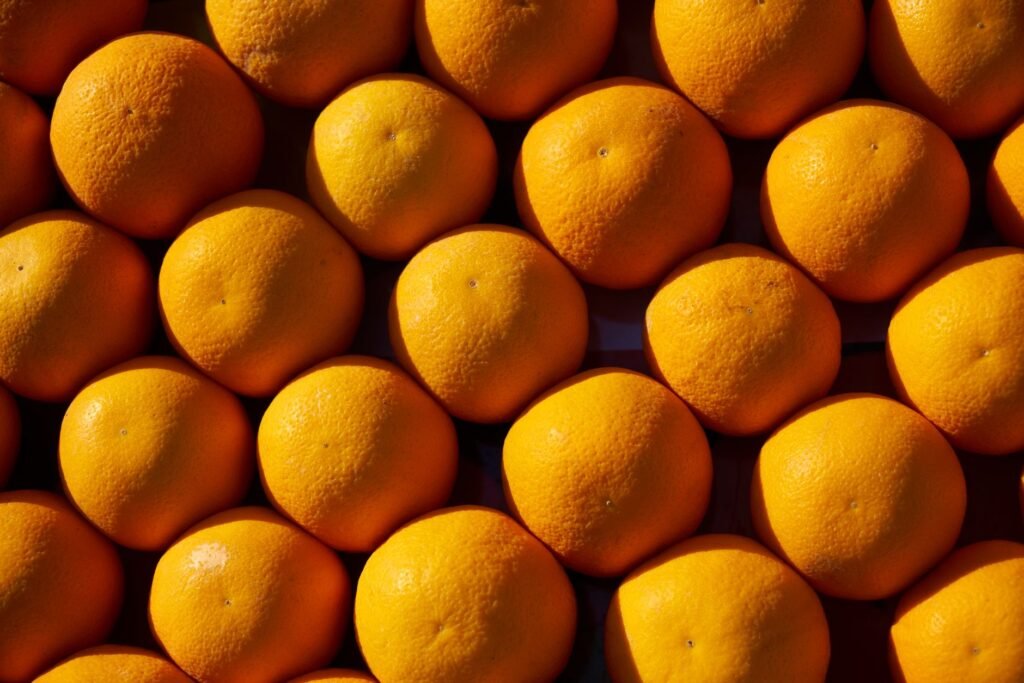
Both spots are correct for different plans. A few oranges you will eat this week look good in a bowl and taste better at room temperature. A whole bag bought on sale needs the crisper, or half of it will go before you reach it.
| Where they sit | Result |
|---|---|
| Crisper drawer, single loose layer | Keeps longest, skins stay taut |
| Counter bowl, few fruit, spread out | Fine short term, best flavor |
| Counter bowl, piled deep | Bottom fruit bruises, then molds |
| Sealed plastic bag in the fridge | Condensation, then soft patches |
| Original mesh bag, stacked in a drawer | Workable if you open it and check often |
Why one fuzzy orange takes the rest
Citrus mold spreads by contact and by spores in still air, and it moves faster than people expect. A single fruit with a soft spot at the bottom of a mesh bag can quietly seed the three touching it before anyone notices. That is the real argument for a single layer, more than anything about temperature.
Once a week, tip the bag out and look at the bottom fruit. Remove anything soft, then wipe the drawer before the fruit goes back. Spores sitting in a drawer corner are a head start for the next bag.
Cut oranges, juice and peel
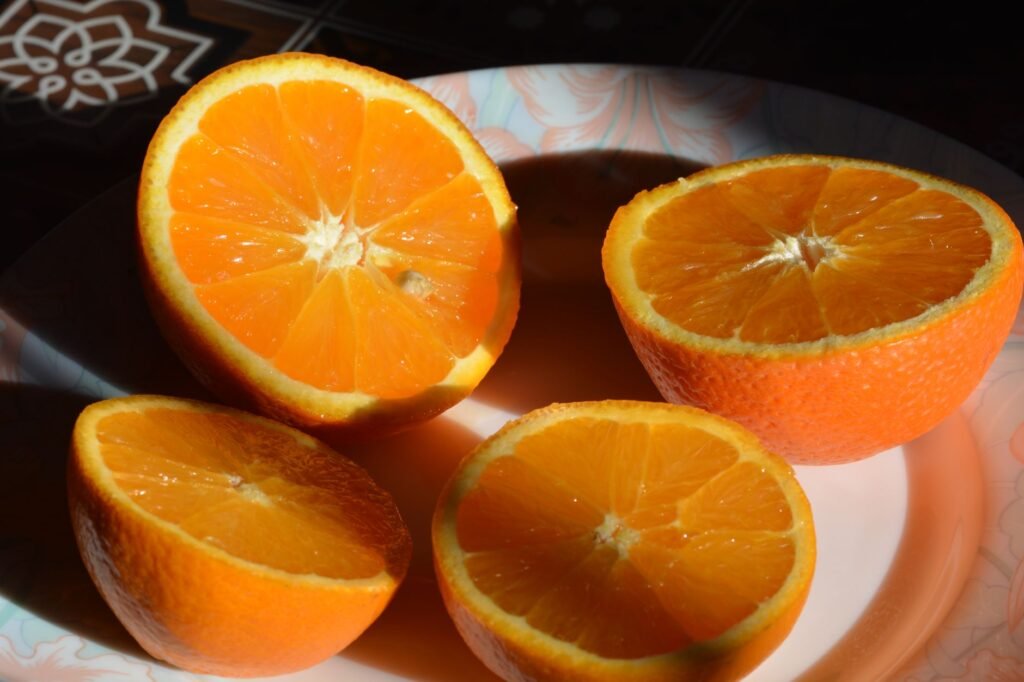
A cut orange dries out at the exposed face and takes on whatever the refrigerator smells like. Press a piece of wrap directly against the cut surface or put the halves in a small sealed container, and use them soon rather than eventually.
Juice keeps better frozen than refrigerated, and an ice cube tray turns a bag of oranges that are about to turn into something useful for months. Zest the peel before juicing, not after, since it is much harder to zest a squeezed half. Frozen zest works straight from the bag.
The habits that shorten a bag
Washing the whole bag on the way in. The peel has a natural waxy coating that slows moisture loss, water sits in the dimple at the stem and navel ends, and the combination is an invitation.
Beyond that: leaving them in a knotted plastic bag, which is a humidity chamber. Stacking them three deep in a deep bowl so the bottom layer carries the weight. Storing them right beside bananas, which ripen everything around them. Leaving the one soft orange in place because you will deal with it later. And squeezing each fruit hard to test it, which bruises the ones you put back.
Sorting the good from the gone
A good orange feels heavy for its size and firm all over, with skin that springs back. Slight brown scarring or a greenish patch on the peel is cosmetic and says nothing about the fruit inside.
Set aside anything that gives under light thumb pressure, feels wet, or is noticeably light and hollow, which means it has dried out inside. White fuzz that later turns blue or green is mold, and that orange leaves the kitchen rather than the drawer, along with a wipe down of whatever it was touching.