Wrap cheese in something that breathes, cheese paper, parchment or wax paper, then keep it in the warmest drawer of the refrigerator. Plastic film pressed straight onto the surface traps moisture and leaves a flat, plasticky taste. Rewrap in a fresh sheet each time you cut from it.
Wrap it in paper, not film
Cheese keeps changing after it leaves the shop. It breathes, gives off a little moisture, and keeps developing flavor. Sealing it under plastic wrap stops the exchange and traps the moisture right against the surface, which is why a wedge that went in firm comes out slick.
Proper cheese paper is a two layer material built for exactly this, porous on one side and moisture retaining on the other. Parchment or wax paper with a loose sheet of foil over it is the everyday substitute and works well. What you want is a wrap that holds humidity near the cheese without sealing it in a bag of its own condensation.
Different cheeses want different things
| Style | What it needs |
|---|---|
| Hard, like parmesan or aged gouda | Paper, then loose foil, rewrapped after each cut |
| Firm, like cheddar or gruyere | Paper wrap, cut face covered, rind left exposed |
| Soft ripened, like brie or camembert | Its original paper if possible, never tightly sealed |
| Fresh, like mozzarella or ricotta | Sealed container, in its liquid, used quickly |
| Blue | Foil, kept apart from everything else |
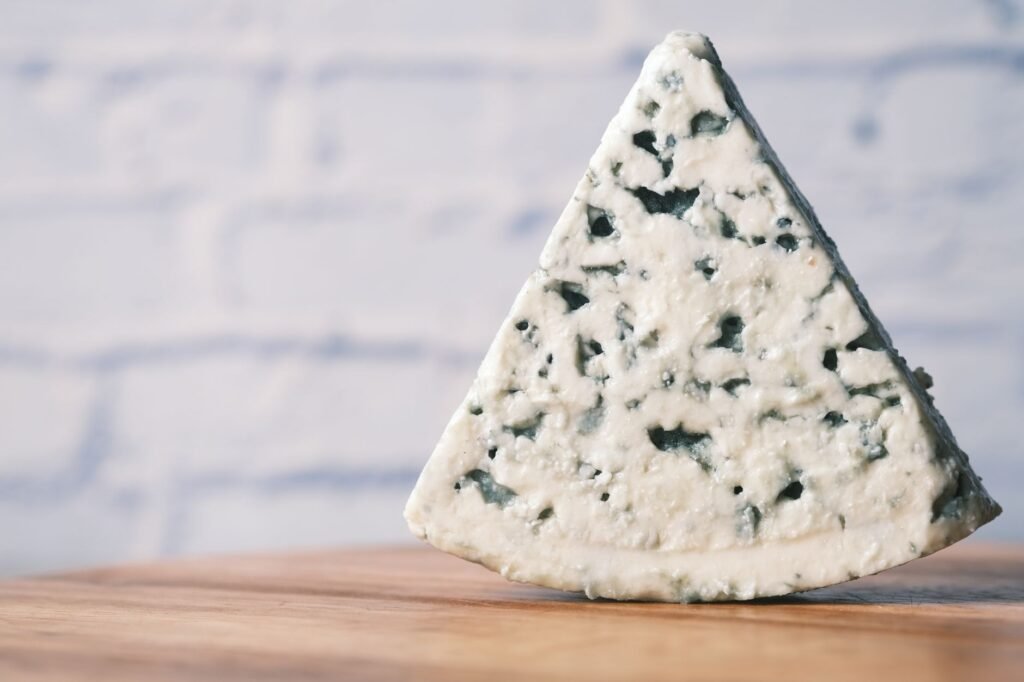
Blue cheese earns its own line for a reason. The mold that makes it what it is travels, and a wedge left open beside a soft ripened cheese will put a blue bloom on its neighbor within days.
The warmest shelf is the right shelf
Most refrigerators are colder than a cheese cave and much drier. The vegetable drawer is usually the warmest and most humid part of the box, which makes it the closest thing at home to what cheese actually wants. The back wall is the coldest spot, and cheese pushed there can partially freeze and come out grainy.
Take cheese out well before you plan to eat it. Cold flattens aroma, and a wedge served straight from the drawer tastes like a fraction of itself.
Wrapping mistakes that cost you good cheese
Reusing the vacuum bag it arrived in. That bag was sealed by a machine, it will never close properly again, and the cheese now needs air anyway.
Then: rewrapping in the same damp paper over and over instead of taking a fresh sheet. Storing the whole cheese drawer in one sealed box so every style shares an atmosphere. Cutting with a knife that just went through something else, which introduces mold that was not there. Leaving a board out all evening and returning it to the fridge repeatedly, which cycles the surface through wet and dry. And buying good cheese in quantity and freezing it, which converts something you would eat by the slice into an ingredient.
Mold, ammonia and knowing when to stop
Surface mold on a hard or firm cheese is common and usually not the end. The standard practice is to cut a generous margin around and under the spot, then rewrap the remainder in a clean sheet. Soft, fresh, shredded and crumbled cheeses are treated differently, because mold in those spreads through the whole piece rather than sitting on the surface. USDA food safety guidance is the place to confirm current wording before you decide.
A whiff of ammonia off a soft ripened cheese sometimes clears after a few minutes of air. If it stays sharp, that cheese has gone past ripe. A hard cheese that has dried into a translucent edge is not spoiled, it is dehydrated, and that piece is still good grated into something hot.