
Move flour out of its paper sack into an airtight food grade container, and freeze or refrigerate whole grain flour if you are keeping it past a few months. White flour stores far longer than whole wheat because whole wheat still carries the oily germ. Freezing a new bag first also deals with insect eggs that came home with it.
Why whole wheat runs out of time first
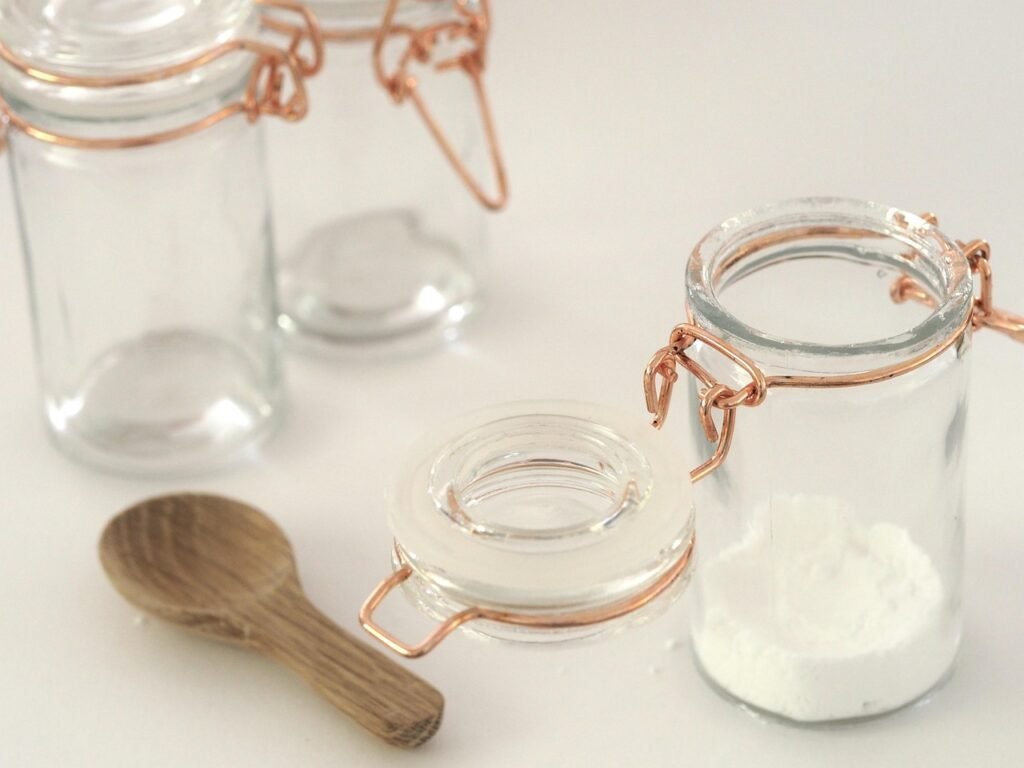
Milling white flour strips out the bran and the germ and keeps the starchy endosperm. That sounds like a nutrition story, and it is, but it is also a storage story. The germ is where the oil lives, and oil is the part that goes off. Whole wheat, rye, spelt and any flour marketed as whole grain all carry that oil and all have a shorter comfortable life than all purpose.
Cold slows the reaction, so the freezer is a reasonable permanent home for whole grain flours if you have room. Bring the amount you need to room temperature before baking, because cold flour changes how doughs behave.
Containers, and the mylar question
| Method | Suited to |
|---|---|
| Airtight canister with a gasket | Everyday flour you bake with weekly |
| Food grade bucket with a sealing lid | Bulk white flour in a cool pantry |
| Sealed mylar with an oxygen absorber, inside a bucket | Genuine long term white flour storage |
| Freezer, double bagged | Whole grain flours and specialty flours |
| Original paper sack, folded over | Nothing, it is packaging, not storage |
Mylar plus an oxygen absorber is the setup people picture when they think of long term storage, and it does work for low oil flours. It is not a fix for whole grain flour, because the oil in the germ changes over time with or without oxygen in the bag.
The freezer step that ends pantry moths
- Put each newly bought bag straight in the freezer, sealed, for several days before it joins the pantry.
- Let the bag come fully back to room temperature before you open it, so condensation does not form on cold flour.
- Transfer it into an airtight container. Wipe the rim before you close it, since a dusting of flour on the gasket ruins the seal.
- Label the container with what it is and when you filled it. Flours look identical and do not behave identically.
- Empty and wash the container before refilling instead of topping it up.
Storage habits that spoil flour early
Topping up is the sneaky one. If you keep pouring new flour onto old, the bottom layer never leaves, and once that layer turns it flavors everything you add on top.
Others worth breaking: leaving flour in the paper sack, which lets in air, humidity and insects at once. Storing it beside onions, garlic, spices or cleaning products, since flour takes on smells readily. Scooping with a damp measuring cup. Keeping the bin on a garage floor where humidity cycles daily. And using an oxygen absorber in a container that was never airtight to begin with, which is a common way to feel prepared without being prepared.
The smell test, and what webbing means
Open the container and put your nose close. Fresh flour smells faintly of not much. Rancid flour smells sharp, oily, a bit like old crayons or dried oil paint, and once you have smelled it you will never miss it again. That flour will carry the same taste into whatever you bake.
Fine webbing, clumps that hold together oddly, or anything moving means pantry moths or weevils. That bag goes out, and so does an inspection of every other open package on the shelf, because they rarely stay in one container.