The answer is BEAST, five letters. Beast covers both things the clue can mean, an animal and a person who behaves like one, which is why it outranks the narrower synonyms. OGRE is the standard four-letter fill, ANIMAL and SAVAGE share six, and a clue with a blank before Brute wants something else entirely.
The Latin brutus meant dull, not cruel
English borrowed brute in the early 1400s from the Old French brut, meaning coarse, raw or crude, which came from the Latin brutus: heavy, dull, stupid, insensible, unreasonable. The first English sense had nothing to do with violence. It meant of or belonging to animals, the creatures without human reason. By the 1530s the word was being applied to people who seemed to lack reason too, and the noun followed, meaning a beast by the 1610s and a brutal, savage person by the 1660s.
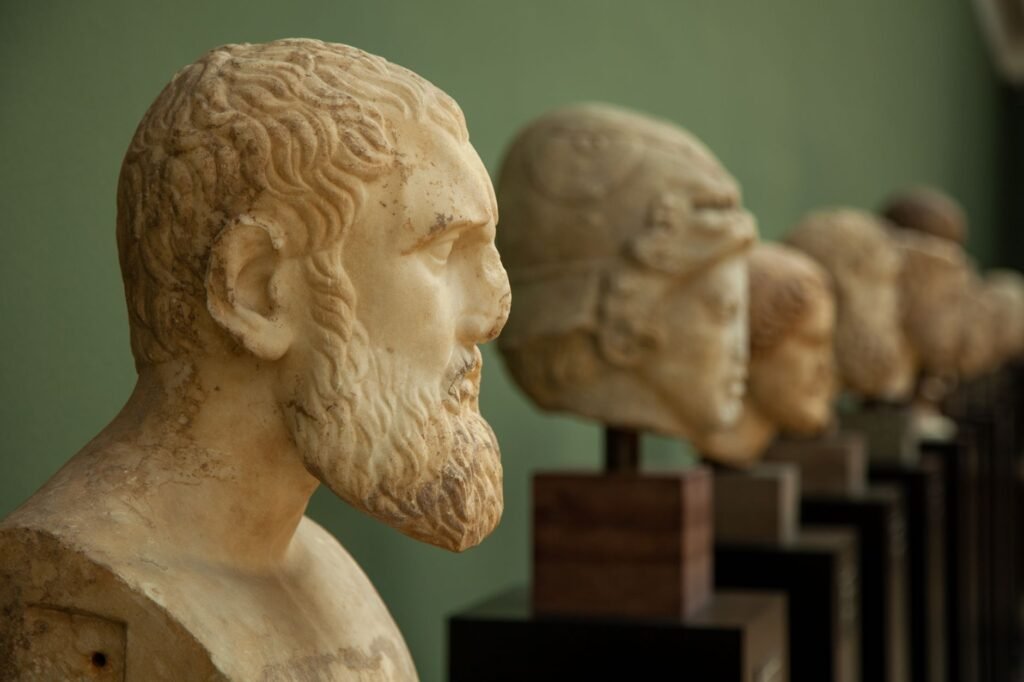
The same Latin word produced one of Rome’s most famous family names. In the traditional story, Lucius Junius Brutus, the semi-legendary founder of the Roman Republic, escaped the suspicion of the royal family by pretending to be slow-witted, and the name he carried meant exactly that: in Latin, brutus means dullard. Centuries later, another Brutus would stand among the conspirators against Julius Caesar, which is where this clue’s second meaning comes from.
A blank before Brute means Caesar is speaking
If the clue leaves a gap before Brute and closes with a question mark, forget BEAST and OGRE, because the setter is quoting Caesar. The phrase is Et tu, Brute?, Latin for and you, Brutus?, and the grid wants ETTU, four letters, run together. Brute here is simply the vocative of Brutus, the form Latin uses when addressing someone directly, with the us ending replaced by e.
The line belongs to Shakespeare’s Julius Caesar, Act 3, Scene 1, and it is not quite Caesar’s final word in the scene. He follows it with Then fall, Caesar! The phrase also predates the play. The Roman biographer Suetonius passed on, only as a rumor, a Greek version of what Caesar said to Brutus, kai su, teknon, which translates as you too, child.
Brute fills from three squares to seven
Match the length first, then the tone of the clue.
| Letters | Answer | What points to it |
|---|---|---|
| 3 | APE | Size and strength over cruelty |
| 3 | HUN | A barbarian |
| 4 | OGRE | A fairy-tale menace |
| 4 | BOOR | Bad manners rather than violence |
| 4 | LOUT | Rough and clumsy |
| 4 | ETTU | Only with a blank before Brute |
| 5 | BEAST | The default, animal or person |
| 5 | FIEND | Cruelty with a hint of evil |
| 5 | YAHOO | Crude and unrefined |
| 6 | ANIMAL | The literal reading |
| 6 | SAVAGE | Violence in the wording |
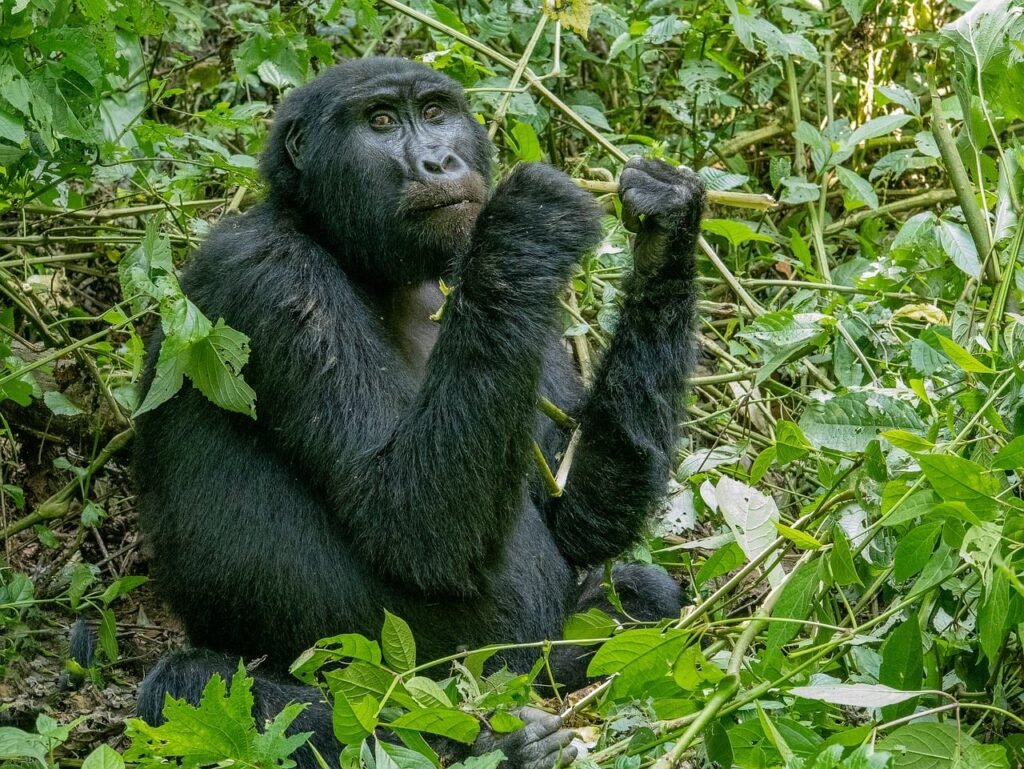
| 7 | GORILLA | Sheer bulk |
| 7 | RUFFIAN | A violent troublemaker |
Two brute words that entered English through books
OGRE reached English in 1713, in a translation of a French version of the Arabian Nights, and the French word had first been used in Charles Perrault’s fairy tales of 1697. Beyond that its origin is uncertain. One suggestion runs it back through the Italian orco, a demon or monster, to the Latin Orcus, meaning Hades.
YAHOO has a clearer birth. Jonathan Swift coined it in Gulliver’s Travels in 1726 for the race of brutish creatures in human form that Gulliver meets in the land ruled by horses, and the word now describes a crude, unrefined person. A clue that stresses bad manners over cruelty is usually heading toward YAHOO, BOOR or LOUT rather than BEAST.
Manners, cruelty or bulk
A bare Brute gives no hint of tone, so you need a sense of which way each candidate leans. BOOR, LOUT and YAHOO are about behavior, the guest nobody wants back. BEAST, FIEND, SAVAGE and RUFFIAN carry real menace. APE and GORILLA are about size and strength, and ANIMAL is the literal reading, a creature without human reason, which is exactly where brute started.
The four-letter slot sorts itself by its first square. An O means OGRE, a B means BOOR, an L means LOUT, and an E means the clue was the Latin line all along and the answer is ETTU.
Frequently asked questions
What is a four-letter word for brute?
OGRE is the standard four-letter answer, and it suits a clue with a menacing or fairy-tale tone. BOOR and LOUT also fit four squares but describe bad manners more than cruelty. If the clue has a blank before Brute and a question mark after it, the answer is ETTU.
Why does Et tu, Brute use Brute instead of Brutus?
Brute is the vocative form of Brutus, the form Latin uses when speaking directly to someone. The us ending is replaced by e, so Caesar addressing Brutus says Brute. The line appears in Shakespeare's Julius Caesar, Act 3, Scene 1, followed by Then fall, Caesar.
Is the word brute related to the name Brutus?
They share a Latin source. Brute came into English through Old French brut from the Latin brutus, meaning heavy, dull or stupid. The Roman name Brutus is the same word, and the traditional story of the Republic's founder has him pretending to be slow-witted to stay safe.