The answer is ALEE, four letters. It is a sailing word meaning on or toward the lee, the side of a boat that faces away from the wind and is therefore sheltered. SNUG fills the same four squares on dry land, LEE takes three, HOUSED six and PROTECTED nine.
Lee has always meant shelter
The root word is older than its sailing use. Old English hleo meant shelter, cover, defense or protection, and it is the direct ancestor of lee. Around 1400 sailors attached it to a direction: the lee is the side of a vessel that faces away from the wind, the side where you can stand out of the blast. ALEE, the adverb, means on or toward that side, and its opposite in older nautical English is aweather.
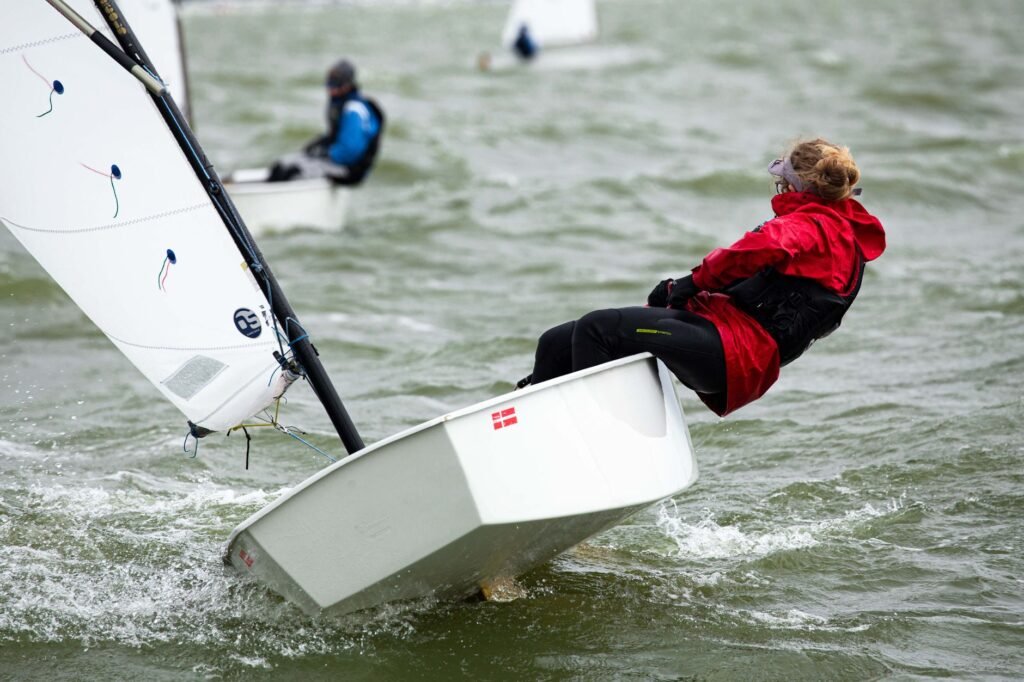
The word still does practical work on the water. When a helmsman begins to tack, turning the bow through the wind, the traditional call is hard alee, which is also the order to push the helm hard over to the lee side. The whole maneuver depends on knowing which side is which.
Why a lee shore is the dangerous one
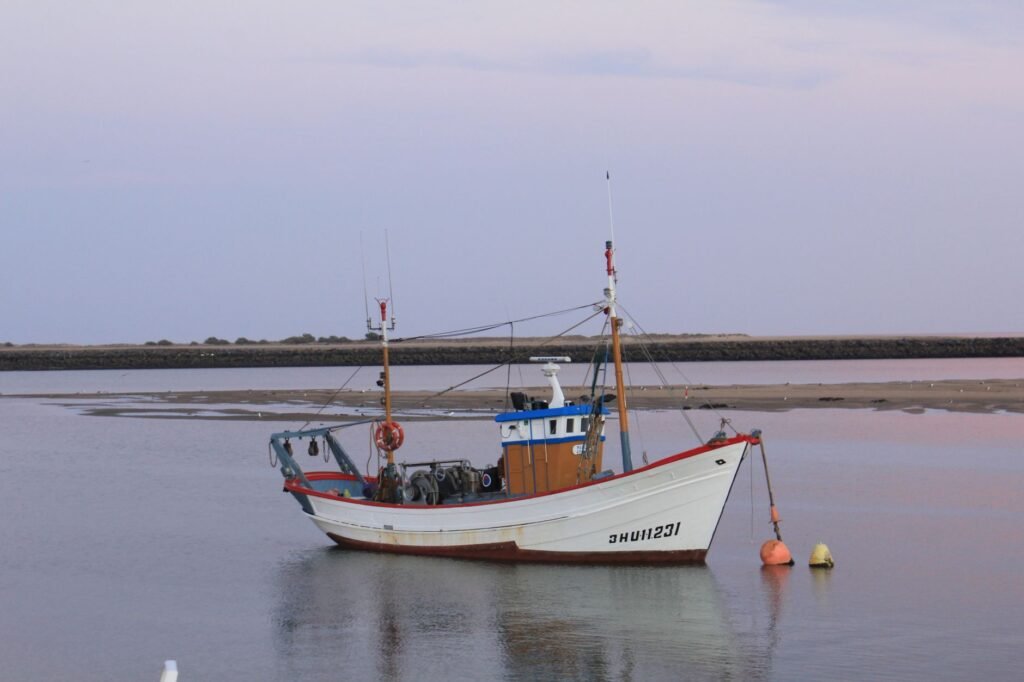
The phrase lee shore turns that meaning upside down. A spot in the lee of an island is calm and sheltered, but a lee shore is the opposite of safe. It is the coastline on the lee side of the boat, which means the wind is blowing from the boat toward the land. A vessel that loses power, or cannot work far enough upwind, gets pushed onto it, and being driven onto a lee shore has caused countless wrecks. Sailors are taught to treat one with caution.
The same vocabulary gave English leeway. It began in the 1660s as a sailing term for the sideways drift of a ship pushed downwind off its course, and by the 1830s it had come ashore to mean extra room. When you give someone leeway, you are allowing for drift.
Geographers use the same idea on land. The leeward side of a mountain range often lies in a rain shadow, drier than the windward side, because air rising over the range drops much of its moisture on the slopes that face the wind.
Sea words and land words, sorted by blanks
| Letters | Answer | When it fits |
|---|---|---|
| 3 | LEE | The noun, as in the sheltered side |
| 3 | HID | Past tense, when concealment is the point |
| 4 | ALEE | The default, nautical and adverbial |
| 4 | SNUG | Cozy and out of the weather |
| 6 | HOUSED | Given a roof, as people or animals are |
| 7 | LEEWARD | Sheltered side wording in a longer slot |
| 7 | NESTLED | Tucked into a protected spot |
| 7 | EMBAYED | Enclosed or sheltered in a bay |
| 8 | HARBORED | Past tense of harbor, US spelling |
| 9 | PROTECTED | The plain general sense |
LEEWARD is the full adjective, and it answers sheltered side wording when three squares are not enough. British puzzles spell the eight-letter verb HARBOURED, so the same answer needs one more square in a British grid.
Snug came ashore from the ship too
SNUG, the four-letter rival, turns out to be a sailor’s word as well. When it appeared in the 1590s it described a ship that was compact and trim, and especially one protected from the weather. The sense of comfort and ease followed by the 1620s, and the meaning of fitting closely, as a snug jacket does, is recorded only from the 1830s. Its origin is uncertain, possibly Scandinavian, from words meaning neat or tidy.
So both four-letter answers have salt in them, and the crossings are what separate them. Set ALEE over SNUG and not one box matches, so a single checked square settles the choice. The double E at the end of ALEE is the quickest tell.
Read Sheltered as a verb and the answers change
Sheltered is also the past tense of shelter, and when a clue uses it that way, as in sheltered a stray or sheltered the herd, the adjective answers stop working. The grid then wants a past-tense verb of the same shape. HOUSED fits six squares and HARBORED eight, and HID can take three when the point is concealment rather than comfort. Check the rest of the clue for an object, a person or animal being given shelter, because that is what turns the adjective into a verb.