Photo: rawpixel · CC0
Texas is the only US state where paper money is printed, at the Bureau of Engraving and Printing facility in Fort Worth. The only other currency plant sits in Washington, D.C., which is a federal district rather than a state, which is exactly why the trivia answer works.
Why Fort Worth exists at all

For most of American history all paper currency came from the Washington facility. The Western Currency Facility in Fort Worth opened in the 1990s to add capacity and to build in redundancy, so a single disruption in one city could not stop the nation’s currency supply.
Fort Worth now produces a large share of the notes in circulation. The facility runs a public visitor center where you can look down on the production floor, which makes it one of the more unusual free tours in the country. Hours and reservation rules change, so check the Bureau of Engraving and Printing site before driving out.
Reading the markings on a bill
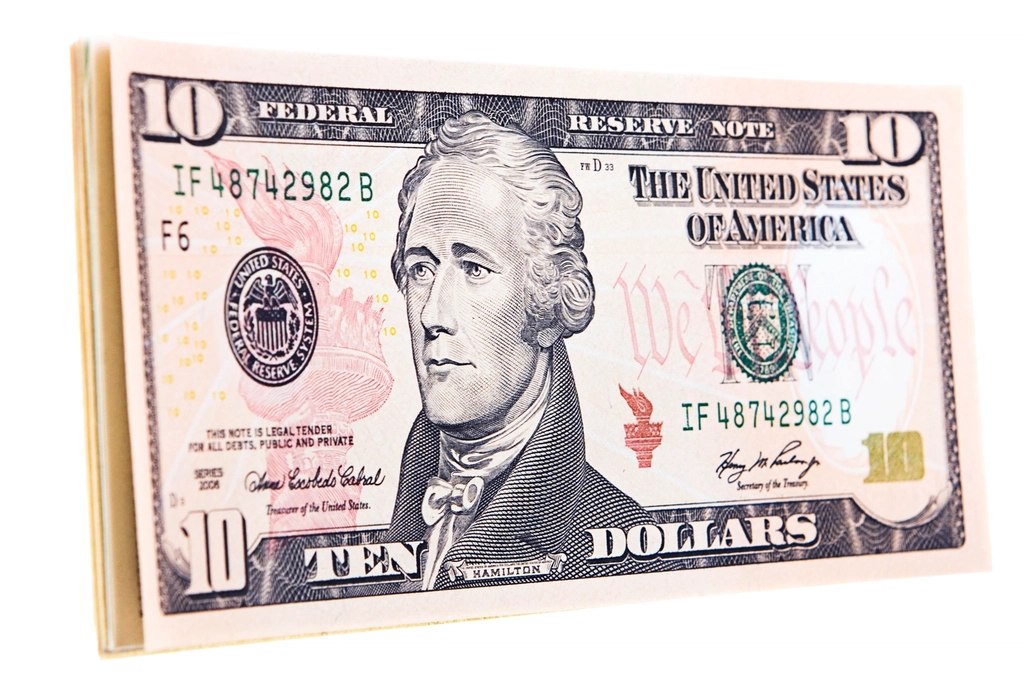
Every note carries a quiet record of where it came from. The key is a two letter prefix on the face plate number, printed small on the front of the bill.
| Marking | Meaning |
|---|---|
| FW before the face plate number | Printed at the Fort Worth facility in Texas |
| No FW prefix | Printed at the Washington, D.C. facility |
| Letter and number in the seal area | Identifies the Federal Reserve Bank that issued the note |
That last row causes a lot of confusion. The Federal Reserve district letter tells you which bank put the note into circulation, not where the paper was printed. A bill issued through a district in the northeast can easily have been printed in Texas.
Printing money is not the same as making money
- The Bureau of Engraving and Printing, part of the Treasury, prints paper currency.
- The United States Mint, a separate Treasury bureau, strikes coins in Philadelphia, Denver, San Francisco, and West Point.
- The Federal Reserve orders currency and distributes it to banks, then removes worn notes from circulation.
- None of these agencies decides how much money exists in the broader economy, which is a matter of monetary policy rather than printing volume.
One detail that could change the answer
The Washington facility is old, and the Bureau has been working on a replacement plant in Maryland to take over its production. If and when that transition completes, the map changes, because Maryland is a state. At that point the neat trivia answer would need rewording.
So if you are settling a bet, check the Bureau of Engraving and Printing website for the current list of operating facilities rather than relying on an article that could be years old. As of now the Fort Worth plant remains the only currency printing operation located inside a state.