
Photo: flickr · CC0
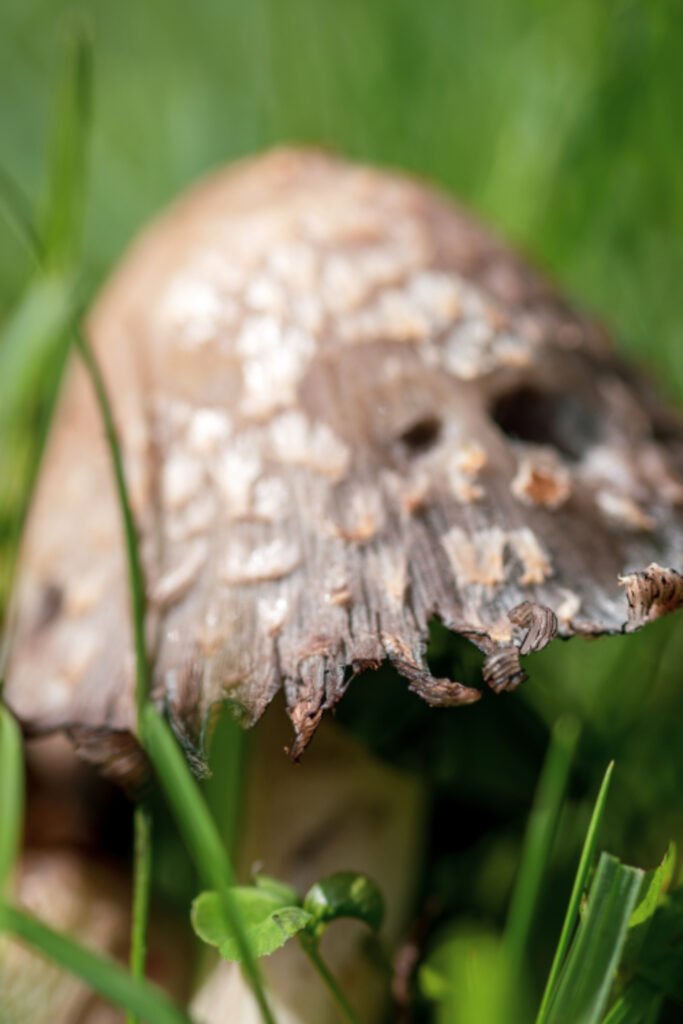
Mushrooms appear because a fungus is already living in your soil, feeding on buried wood, dead roots or thatch. The mushroom is only the fruiting body it pushes up when moisture and temperature line up, usually after heavy rain or too much watering. The organism itself is a network underground.
The mushroom is not the organism
What lives in the soil is mycelium, a web of thread like filaments running through the top few inches of ground. It can occupy a patch of yard for years without showing itself. When conditions turn wet and mild, the mycelium pushes up mushrooms to release spores, the same way an apple tree puts out apples. The mushrooms last a few days. The fungus stays.
That one fact explains why the usual reactions fail. Pulling mushrooms removes the visible part and touches none of the network. Products labeled for lawn disease target leaf pathogens rather than decomposers living below the surface, so they rarely change the outcome.
What the fungus is actually eating
- Buried wood. Scrap lumber, form boards and construction debris left under the topsoil are the classic cause of a patch that returns to the same place every year.
- Old tree roots. A tree taken down years ago leaves a root system that keeps decaying long after the stump is ground out.
- Thatch. A thick mat of dead stems between the green blades and the soil holds moisture and feeds decomposers.
- Wood mulch. Beds mulched with bark or chips are fungus food by design.
- Clippings and animal waste. Heavy clipping buildup and pet waste both add organic matter that fungi break down.
Why they showed up this week
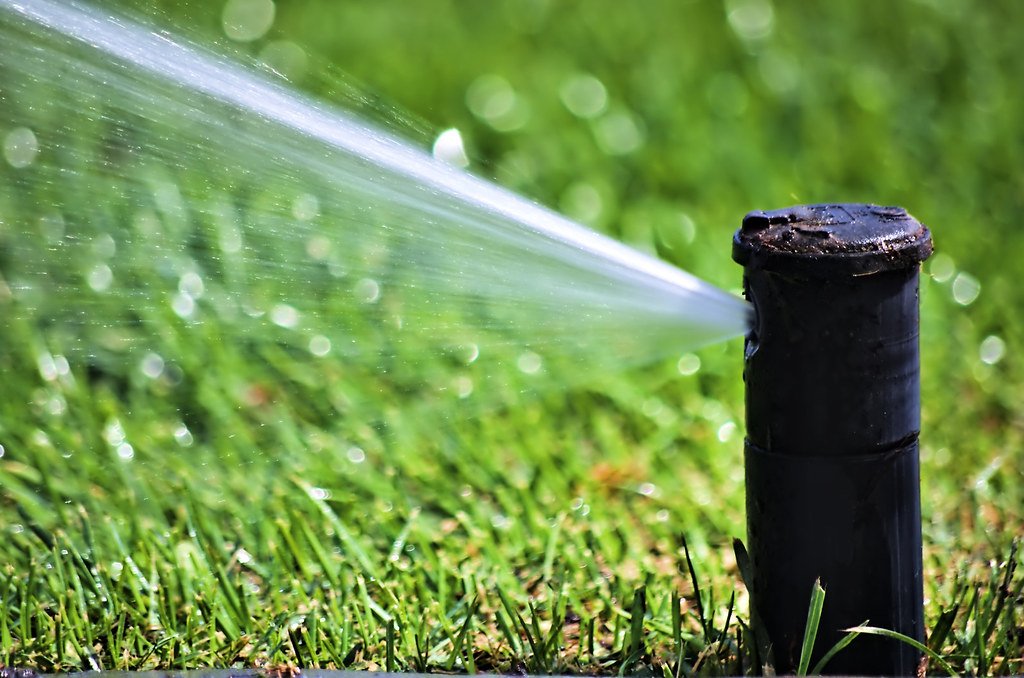
The food source is usually years old. The trigger is recent. Several days of rain, or an irrigation schedule that runs short and often, keeps the surface damp long enough for fruiting. Watering in the evening does the same, because the ground never dries overnight. Shade from trees or from the north side of the house holds that moisture in. Compacted soil and low spots that drain slowly finish the job.
A yard that never had mushrooms can start producing them after a wet season, after a tree comes down, after new sod or imported topsoil arrives, or after a fresh mulch delivery.
Read the pattern before you do anything
| What you see | Likely cause | What helps |
|---|---|---|
| A ring or arc, sometimes with darker green grass | Fairy ring, mycelium spreading outward from one point | Aerate the ring, water it deeply, fertilize evenly to even out the color |
| A tight cluster in the same spot each year | Buried wood, a stump or dead roots | Dig out or grind the wood, backfill with clean soil |
| Scattered across the lawn after rain | Ordinary decomposition of thatch and organic matter | Nothing urgent, they fade as the ground dries |
| Only in mulched beds | The mulch itself | Rake to break the crust, thin the layer |
| Along a fence line or where a tree stood | Decaying posts or leftover roots | Remove the wood source |
What to do about them
- Pick them by hand with gloves and bag them, rather than mowing them and scattering spores across the lawn.
- Water deeply and less often, early in the morning, so the surface dries out during the day.
- Dethatch and aerate if the thatch layer is thick or the soil is packed hard.
- Prune overhanging limbs to get more sun and moving air onto the damp spots.
- Grind stumps and dig out buried lumber. This is the only permanent fix for a cluster that keeps returning.
- Fix drainage in any low area that stays soggy after the rest of the lawn has dried.
- Skip the fungicide and put the money toward drainage or stump removal.
Worth keeping in perspective: most lawn fungi are decomposers doing useful work, turning dead material back into soil. Mushrooms are a sign of organic matter breaking down, not a sign of a sick lawn.
Safety, especially with kids and pets around
Do not eat wild mushrooms out of a lawn. Identification from photos or phone apps is unreliable, and several dangerous species closely resemble harmless ones. Nothing here is an identification guide, and there is no visual shortcut worth trusting.
If children or pets use the yard, clear mushrooms as they appear and bag them instead of leaving them to be picked up by small hands or curious dogs. If a child eats one, contact Poison Control. If a pet eats one, call your veterinarian or an animal poison hotline, and keep a photo or a bagged sample so the species can be identified.