Photo: rawpixel · CC0
Texas has the most presidential libraries in the federal system, with three. They are the Lyndon Baines Johnson Library in Austin, the George Bush Presidential Library in College Station, and the George W. Bush Presidential Center in Dallas. California is next with two.
The states with more than one
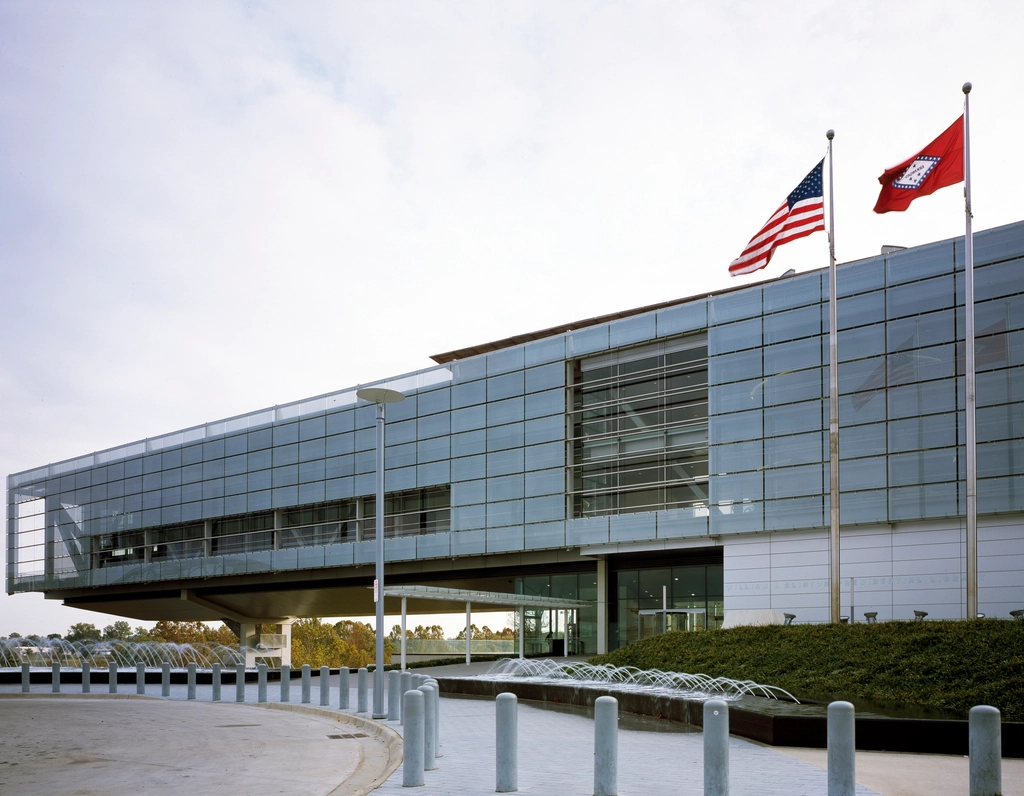
The federal system is run by the National Archives and Records Administration, and libraries are built where the president chose, usually a home state or a university partner. That scattering means most states have none and a few have several.
| State | Federal presidential libraries | Which ones |
|---|---|---|
| Texas | 3 | Johnson in Austin, Bush in College Station, Bush in Dallas |
| California | 2 | Nixon in Yorba Linda, Reagan in Simi Valley |
| Michigan | 1 library, 2 sites | The Ford library in Ann Arbor and the Ford museum in Grand Rapids |
Michigan is the reason careful sources phrase this as sites rather than institutions. The Gerald R. Ford library and museum are one institution split across two cities, with the research archive at one end of the state and the museum at the other.
Why Texas ended up in front
There is no grand explanation. Three presidents with deep Texas ties left office within a few decades of each other, and each chose a university partner in the state. Johnson built at the University of Texas at Austin. The elder Bush built at Texas A and M University. The younger Bush built at Southern Methodist University in Dallas.
University partnerships are the pattern across the system, because a campus supplies researchers, land, and an institution that will still exist in a century.
The libraries that are not in the system
Plenty of presidential museums exist outside federal control, and they complicate any count. The Rutherford B. Hayes site in Ohio is frequently described as the first presidential library in the country, and it is operated with state and private support. Lincoln’s library and museum in Springfield, Illinois is run by the state. Several others honoring nineteenth century presidents are run by foundations or universities.
Barack Obama’s center in Chicago is another exception worth knowing. His presidential records are being handled digitally by the National Archives, and the center itself is operated by a private foundation rather than as a traditional federal library.
How to check a current count yourself
- Start at the National Archives presidential libraries page, which lists every institution in the federal system.
- Decide whether you are counting institutions or physical sites. Michigan changes the answer depending on which you pick.
- Decide whether non federal museums count. If they do, the totals shift for several states.
- Remember that new libraries are added as presidents leave office, so any list has a shelf life.