

Yes, with one catch: a thawed lemon is never firm again. Freezing works beautifully for juice, zest and slices for drinks, and it fails for anything where you want a crisp wedge on the plate. Pick the format before you freeze and the fruit stays useful all the way through.
What freezing actually does to a lemon
The flesh of a lemon is built from juice vesicles, thousands of tiny fluid filled sacs packed inside each segment. Water expands as it turns to ice, and the crystals that form puncture those sac walls. Nothing puts them back, so when the fruit thaws the structure sags and the juice runs out rather than staying held in place. A thawed lemon feels more like a wet sponge than like fruit.
The rind behaves completely differently. The aroma in zest lives in oil glands in the outer yellow layer, and oil does not form damaging crystals the way water does, so frozen zest smells and tastes close to fresh. A rock hard lemon is actually easier to grate, because the peel holds its shape against the blade instead of squashing. Juice is the third case and the simplest: it comes out of the freezer as juice, with only a small loss of brightness.
Lemons also skip the step that most vegetables need. Blanching exists to knock out enzymes that keep degrading color and flavor in the freezer, and a lemon’s own acidity already keeps those reactions slow, so the fruit goes in raw.
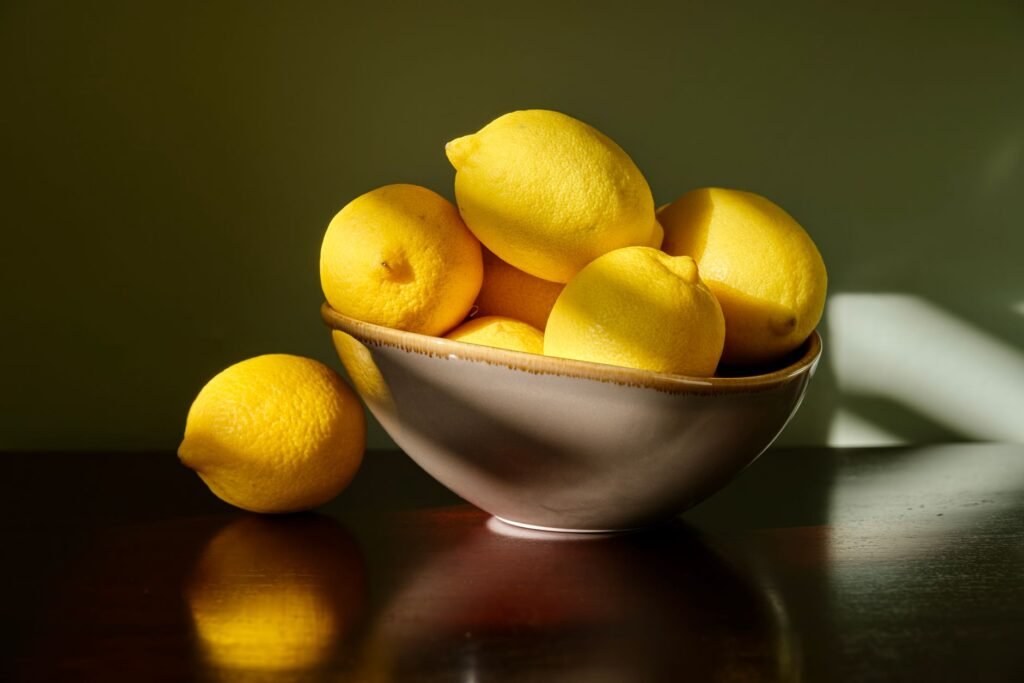
Four ways to freeze them, and when to choose each
- Juice in a cube tray. Squeeze, strain out the seeds, pour into a tray, freeze solid, then pop the cubes into a bag. Note the volume of one cube so recipes are easy later.
- Zest in small packets. Zest the fruit before juicing, always in that order, then freeze it in teaspoon sized flat portions pressed into a bag so you can snap off what you need.
- Slices on a tray. Lay rounds on parchment so they do not fuse, freeze until hard, then bag them. These go into drinks and pitchers directly.
- Whole lemons in a bag. The lazy option that saves a full bowl of fruit at once. Wash and dry them first so the skin is ready to grate.
What a frozen lemon is good for afterward
| Format | Best used for | Not suited to |
|---|---|---|
| Juice cubes | Dressings, marinades, pan sauces, lemonade, curd, anywhere juice is measured | Nothing much, this is the most versatile format |
| Frozen zest | Baking, gremolata, rubs, finishing a risotto or a plate of greens | Candied peel, which needs fresh pliable rind |
| Slices | Iced water, cocktails, pitchers, roasting on top of fish | Serving as a garnish on a plate, since they go limp |
| Whole fruit | Juicing later, grating zest straight from frozen | Wedges for a table, or any raw salad use |
Thawing, and the one move to skip
Juice cubes go straight into a hot pan or a dressing bowl with no thawing at all. For whole fruit, move it to the fridge for a few hours, or run it under cool water for a minute or two, then roll it firmly on the counter before cutting, which breaks up whatever structure survived and gets more juice out. The move to skip is thawing a whole lemon fully and then hoping to slice it neatly. Cut it while it still has a frozen core if you need any shape at all.
How long they stay worth using
Juice and zest hold their character for around three to four months, and whole fruit around the same before the peel starts drying at the edges and picking up freezer smells. Nothing can multiply at freezer temperature, so that window belongs entirely to flavor chemistry rather than to spoilage. A bag found at the back after a year is not a hazard, it has simply gone flat and dull, and flat lemon is a waste of a recipe rather than a risk.