
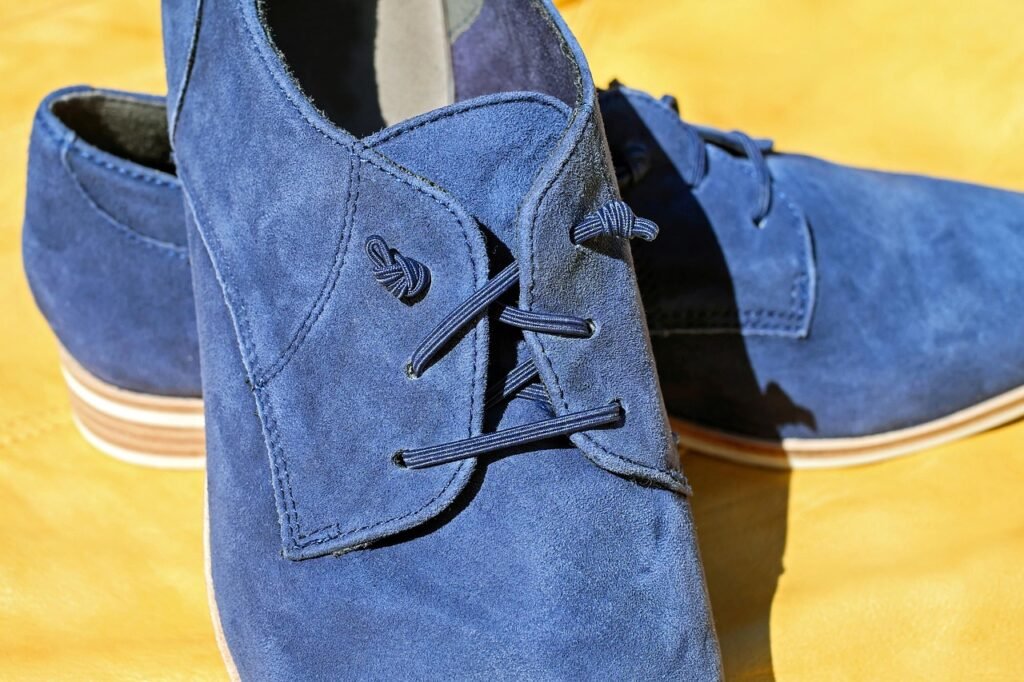
Clean suede dry first, using a suede brush to lift dirt and a suede eraser for scuffs, and only reach for liquid when a stain will not budge. For oil, cover the spot with cornstarch and let it pull the grease out. Soaking, direct heat and hard scrubbing are what ruin the soft nap.
Brushing the nap before anything else
Suede is leather with the fibers raised on the surface. That fuzzy nap traps dirt and also flattens into shiny patches, so brushing does two jobs at once. It knocks out dust and lifts the fibers back up.
Let the item dry completely before you start, because brushing wet suede drags mud deeper into it. Use a suede brush, which usually has soft nylon or brass bristles on one side and rubber nubs on the other. Brush lightly in one direction to clear the surface, then go back and forth over flattened areas to raise them. A clean, dry toothbrush works in a pinch on small items.
Scuffs and shiny marks come next. A suede eraser, or a clean white pencil eraser, rubs away many of them. Brush again afterward to restore the texture.
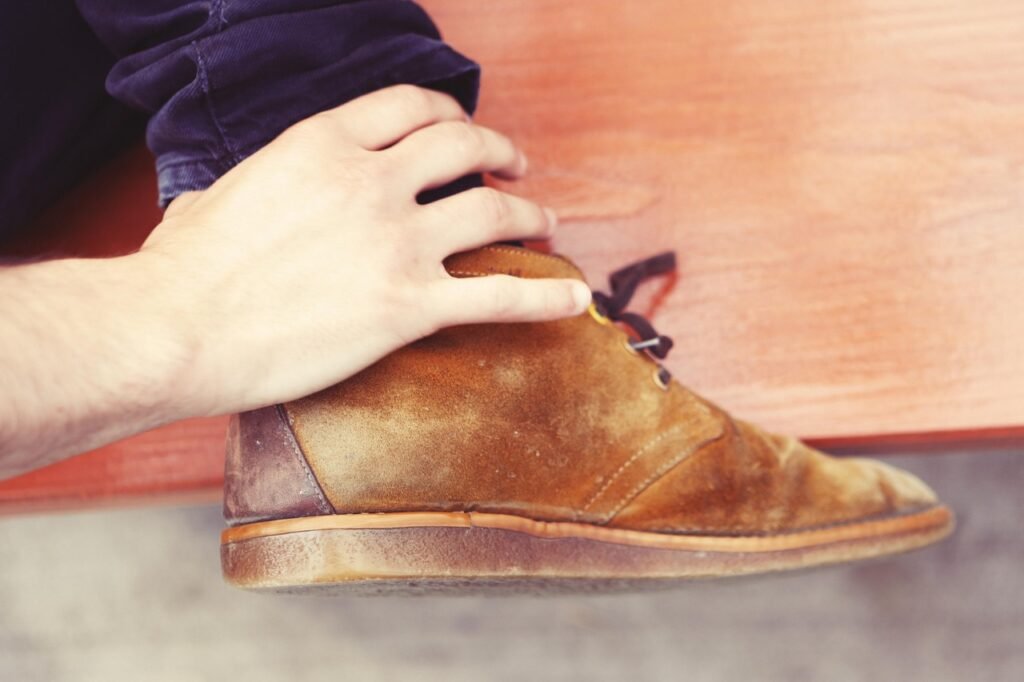
Matching the stain to the fix on suede
Each common stain needs a different approach, and using the wrong one can spread the mark. Start with the gentlest option in the middle column.
| Stain | First try | If it is still there |
|---|---|---|
| Dry mud or dust | Let dry fully, then brush | Suede eraser, then brush |
| Oil or grease | Cover with cornstarch and leave it for hours | Brush off and repeat with fresh cornstarch |
| Winter salt lines | Dab with white vinegar on a cloth | Repeat once dry, then brush |
| Water spots | Dampen the whole panel evenly and let dry | Brush to lift the nap |
| Ink or dye | Take it to a leather specialist | Home solvents often spread it |
Before any liquid touches visible suede, try it first somewhere out of sight, like the inside of a shoe tongue.
Winter salt lines on suede boots
Road salt dries into white tide marks that brushing alone will not shift. Dip a clean cloth in white vinegar, wring it out so it is damp, not dripping, and dab the lines until they fade. Do not rub hard. Let the boot dry at room temperature, then brush the nap back up.
The vinegar smell fades as it dries. If the lines return, repeat the process once more rather than soaking the leather. Deal with salt soon after you notice it, because the longer it sits, the more it dries out the leather underneath.
Drying wet suede shoes without shrinking them
Suede can stiffen and change shape if it dries too fast. Blot off surface water with a towel, stuff the shoes with unprinted paper or paper towels to hold their shape, and leave them to air dry away from radiators, heaters, hair dryers and direct sun.
Odd as it sounds, a water spot often looks better after the whole panel is lightly dampened. Drying evenly avoids a sharp edge around the original spot. Once everything is dry, brush to soften the nap.
If the shoes got soaked through, swap the stuffing once it turns damp, since wet paper holds moisture against the lining. Thick suede can take a long time to dry fully, so give it longer than feels necessary before wearing them again.
Suede jackets, bags and when to hand it off
Jackets and bags follow the same dry first approach, with more caution. Check the care label, since many suede garments say professional leather cleaning only. A home washing machine can shrink, stiffen or discolor them.
Protector sprays made for suede can help new items resist water and stains. Apply them outdoors, test on a hidden area, and follow the drying time on the can. For large stains, ink, or anything expensive or sentimental, a dry cleaner that handles leather is the safer choice.
Storage decides how clean suede stays between wears. Use a breathable garment bag rather than plastic, which traps humidity and can encourage mold. Keep suede out of direct sunlight, which can fade it unevenly, and hang jackets on wide shaped hangers so the shoulders do not pucker.
Frequently asked questions
Can you put suede in the washing machine?
Generally no. Water, agitation and the heat of a dryer can shrink suede, stiffen it and change its color. Some newer items are labeled washable, so read the care tag first. When the tag says professional clean or has no instructions, take it to a cleaner that handles leather.
Does white vinegar damage suede?
Used sparingly, white vinegar is a common home fix for salt stains and some water marks on suede. Dab it with a damp cloth rather than pouring it on, test a hidden spot first, and let the piece dry naturally before brushing. Colored vinegars can stain, so stick to white.
How do you clean suede without a special brush?
A clean, dry toothbrush can lift dirt and raise the nap on small areas, and a clean white pencil eraser handles light scuffs. Work gently, since stiff household brushes can tear the surface. For a favorite pair of shoes, a proper suede brush is a small investment that makes the job easier.
What is suede?
Suede is leather that has been rubbed on the flesh side, the softer underside of the hide, to raise a soft, fuzzy nap. The name comes from the French term for gloves from Sweden. That raised nap traps dirt and flattens into shiny patches, which is why suede is cleaned dry with a brush and eraser first.
Can suede get wet?
It can, but water is hard on it. Suede soaks up moisture and can stiffen, spot or change shape if it dries too fast. Blot it, stuff shoes with paper, and let it air dry away from heaters and direct sun, then brush the nap up. A protector spray made for suede helps it resist water.