
To make salsa verde, husk and rinse tomatillos, broil them with a jalapeno and onion until charred in spots, then blend with garlic, cilantro, lime juice and salt. The whole batch takes about 20 minutes, and you can pulse it chunky or puree it smooth.
Picking and prepping tomatillos for green salsa
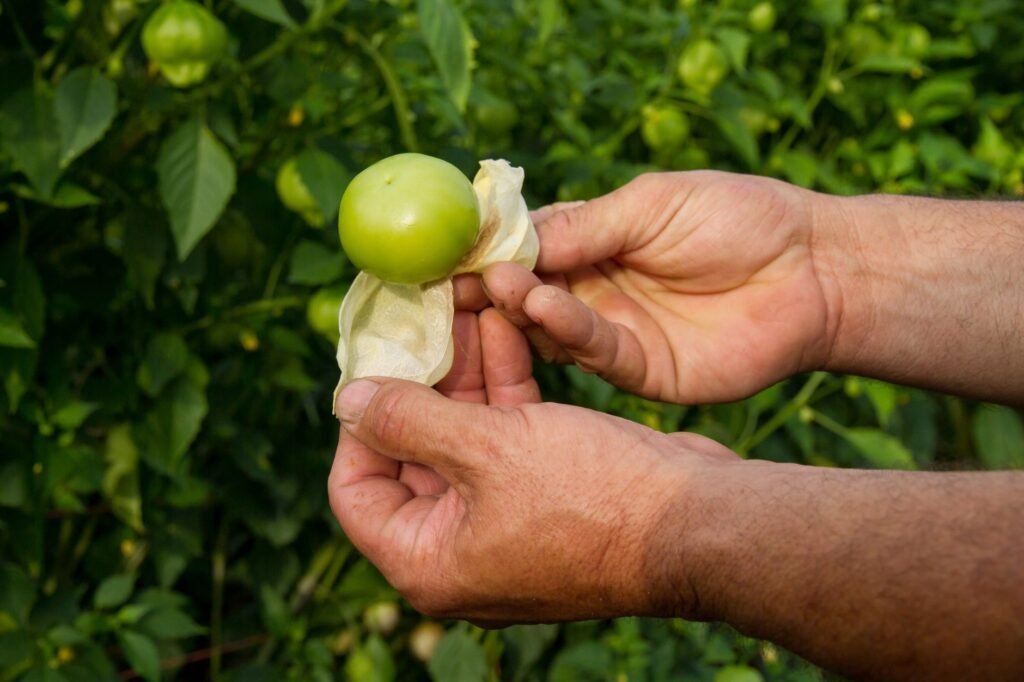
Tomatillos look like small green tomatoes wrapped in a papery husk. Choose ones that feel firm and fill out their husks, with no soft or shriveled spots. Peel the husk off by hand and pull away the stem.
Under the husk you’ll find a sticky coating. Rinse the fruit well under running water, rubbing with your thumbs, because that film tastes bitter if it stays on. Cut each tomatillo in half so the cut side can sit flat on the pan.
A quick word on the name. Salsa verde also refers to an Italian green herb sauce made with parsley and olive oil. This article covers the Mexican style built on tomatillos, which is what most US grocery store jars and taqueria cups contain.
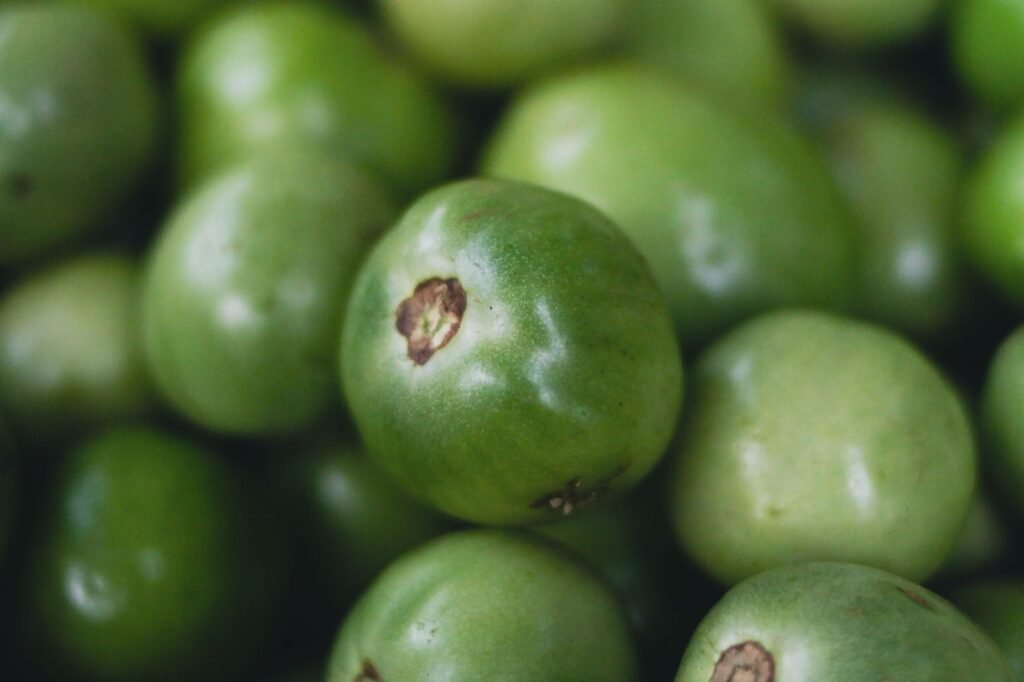
The ingredient list for one small batch of salsa verde
These amounts follow a tested recipe from the University of Illinois Extension and make enough for a family taco night. Double everything for a party.
| Ingredient | Amount | Prep |
|---|---|---|
| Tomatillos | Half a pound, about 4 medium | Husked, rinsed, halved |
| Jalapeno | Half of one | Stem, seeds and ribs removed for milder heat |
| Onion | 1 small, or a quarter of a large one | Cut into chunks |
| Garlic | 2 cloves | Peeled |
| Lime juice | 1 tablespoon | Freshly squeezed tastes brighter |
| Fresh cilantro | 1/4 cup | Leaves and tender stems |
| Salt | 1/4 teaspoon | Adjust at the end |
Want more fire? Leave the jalapeno seeds in or swap in a serrano, which runs hotter. Pepper heat varies from one batch to the next, so add it gradually.
Broil, blend and taste
- Turn the oven broiler to high and line a baking sheet with foil.
- Lay the tomatillos and jalapeno cut side down on the sheet and scatter the onion around them.
- Broil for about 10 minutes, letting the tomatillo skins blister and blacken in patches until the fruit slumps.
- Let the vegetables cool for a few minutes, then tip them and their juices into a blender or food processor with the garlic, lime juice, cilantro and salt.
- Pulse in short bursts for a chunky salsa, or run it longer for a smooth sauce.
- Taste and adjust with more salt, lime or pepper.
If the salsa tastes too sharp, broil the tomatillos a little longer next time to soften them. If it tastes flat, it usually needs more salt or lime rather than more chile. Thin a thick batch with a spoonful of water.
Raw, simmered or charred tomatillo versions
Broiling is one of three common routes, and each changes the flavor. Raw tomatillos blended with chile and cilantro give a sharp, tart salsa that works well on rich foods like carnitas. Simmering the tomatillos in water until they turn olive green softens their sourness into something mellow and saucy, good for enchiladas. Charring them under a broiler or in a dry skillet adds smoke and a little sweetness.
The Oregon State University Extension version cooks the vegetables in a dry skillet over medium heat for about 10 minutes and uses serrano peppers, a good option if your broiler runs uneven. Some cooks add a slice of avocado at the blending stage for a creamy, milder sauce.
Keeping leftover salsa verde fresh and safe
Move leftovers into a covered, food-safe container and refrigerate within 2 hours of making it. The University of Illinois Extension advises eating it within 4 days or freezing it for longer storage. Frozen salsa loses some texture, so thawed portions work best stirred into soups, rice or braised meat rather than served as a dip.
Canning this recipe at home is another story. Shelf-stable salsa needs a tested canning recipe with the right acid level, so use one published by an extension service rather than jarring a fresh batch.
Frequently asked questions
Why is my salsa verde bitter?
Bitterness usually comes from the sticky film on the tomatillos that wasn't rinsed off, from burning them past a light char, or from overripe yellow tomatillos. A little extra lime juice and salt can balance mild bitterness, and a small pinch of sugar can round it out.
Can I make salsa verde without a blender?
Yes. Chop the cooked vegetables finely with a knife for a rustic salsa, or mash them in a mortar and pestle, sometimes called a molcajete, which is the traditional tool. The texture will be chunkier, which many people prefer on tacos and grilled meat.
Is salsa verde spicy?
It depends on the pepper you choose and how much of its seeds and ribs you keep. With half a seeded jalapeno it is mild to medium. Serranos or extra peppers push it hotter, and you can remove the chile entirely for a tangy, heat-free version.
What is salsa verde?
Salsa verde is a green sauce. In Mexican cooking it is usually made from tomatillos, green chiles, onion, garlic and cilantro and served as a condiment, dip or sauce. Italian salsa verde shares the name but is a different sauce built on parsley and olive oil, often with capers and anchovies.
What are tomatillos?
Tomatillos are firm green fruits that grow inside a papery husk. They are not tomatoes, though both belong to the nightshade family along with peppers and eggplant. Their tart, lemony flavor makes them the base of Mexican green salsas, and cooks also add them to stews and mole sauces.
How do you store tomatillos?
Keep the husks on and store them in a paper bag in the refrigerator, where they last about one to two weeks, according to South Dakota State University Extension. Skip airtight plastic bags, which make them spoil faster. For longer storage, husk, wash and dry them, then freeze them in a freezer bag.