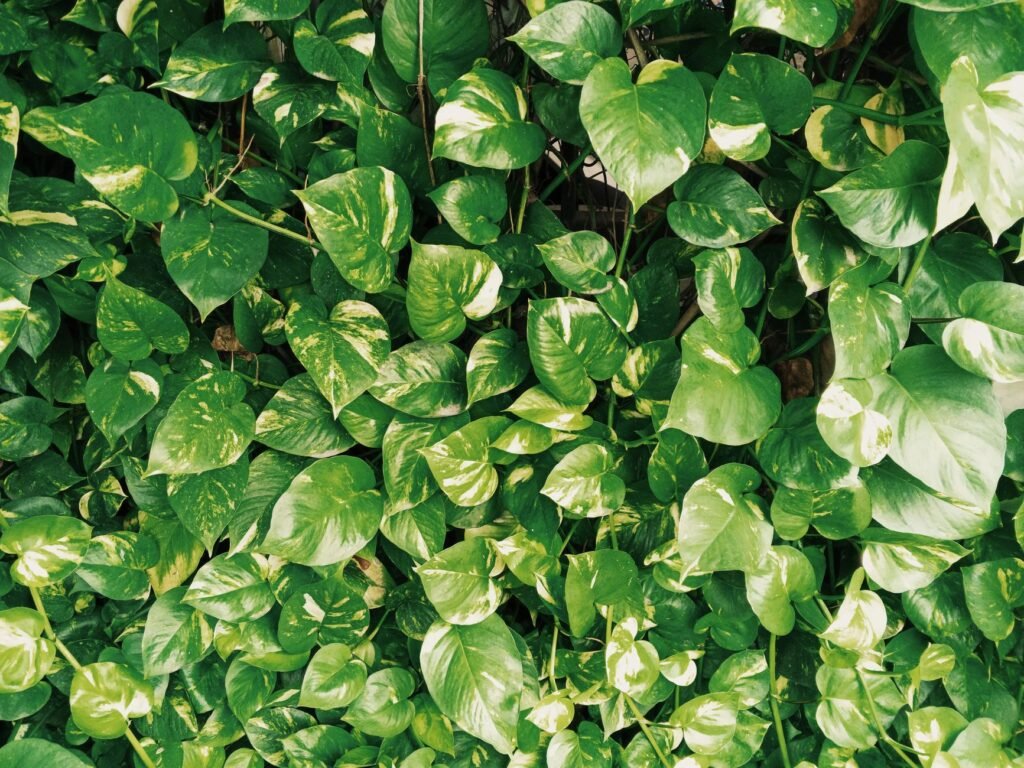
Cut a vine into pieces that each carry a node, stand them in water, and roots appear within days. The step that actually decides whether you end up with a plant is the transfer to soil, so pot the cutting while its roots are short rather than waiting for a long white tangle.
Water roots and soil roots are not built the same
A root that grows submerged develops for a world with no air pockets and no abrasive particles. It comes out thin, pale and brittle, with far less of the structural tissue that a soil root needs. Plant one in a pot and much of it simply dies back, and the cutting has to build a second root system from scratch while it has no working one.
That is why a cutting with an impressive mass of white roots often sulks for weeks after potting while a modest one shrugs and carries on. The longer a cutting sits in a jar, the more it has invested in tissue that is about to be wasted.
None of this means water propagation is a mistake. It is the fastest, clearest method there is, and it lets you see a problem before it costs you the cutting. It just needs an exit plan.
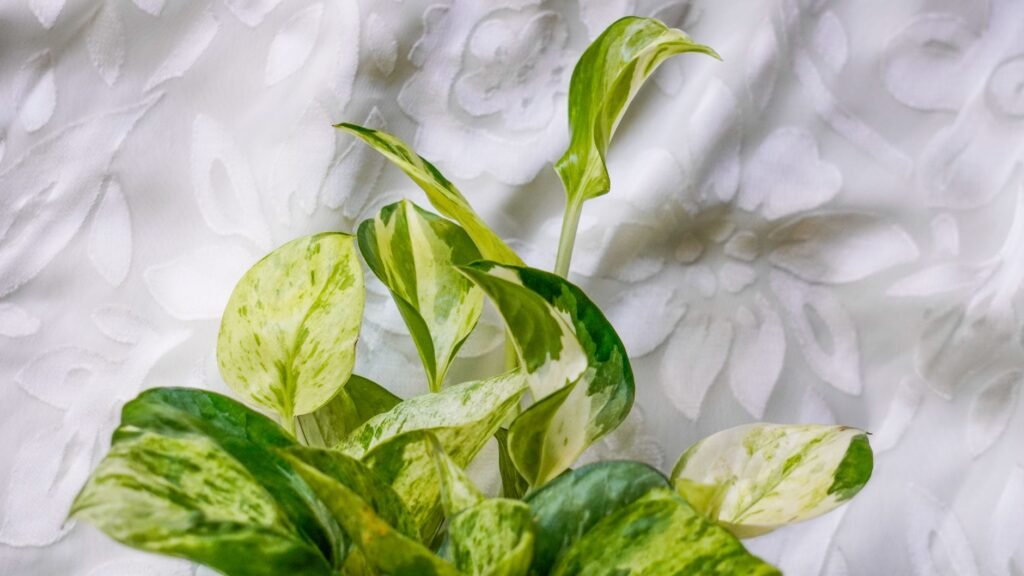
Cut just below the brown nub on the stem
Look at a vine and you will see a small brown bump on the stem next to each leaf stalk. That is an aerial root waiting for a reason to grow, and it marks the node. Your cut goes below it, leaving that bump on the cutting rather than on the piece you throw away.
- Pick a healthy vine and count nodes rather than leaves.
- Cut a short way below a node, so the brown bump stays with the cutting.
- Make each piece one or two leaves long, since longer is not better here.
- Strip the lowest leaf so no foliage will sit under water.
- Put the pieces in a jar with the node submerged and the remaining leaves clear of it.
Refresh the water regularly rather than topping it up. Stagnant water goes low on oxygen and cloudy, and that is where slimy stems come from. A clear jar in bright indirect light makes the whole process easy to monitor.
Move it at one inch of root, not at six
Short roots transition far better than long ones, because there is less water adapted tissue to lose and the plant switches over before it has committed. Roughly a fingertip of root length is the point to act on.
| Stage in the jar | What to do |
|---|---|
| Node swelling, no roots yet | Wait. Change the water and leave it alone. |
| Roots about the length of a fingertip | Pot it now. This is the easiest transfer you will get. |
| Long tangled roots filling the jar | Pot it anyway, keep the mix damper than usual, and expect a stall. |
| Mushy stem or cloudy water | Recut above the damage into clean water, or start over. |
Pot several cuttings together in one small container. A single stem takes a long time to look like anything, while five nodes in a four inch pot read as a plant almost immediately. Keep the mix consistently damp for the first two weeks, then let it dry between waterings as normal.
The cutting you choose decides how variegated the new plant is
Golden pothos is not uniformly marked, and the pattern is carried in the tissue rather than applied by conditions alone. A cutting taken from a stretch of vine that has gone solid green will produce a solid green plant, and no amount of light will bring the gold back into it.
So choose the section deliberately. Find the part of the vine with the best marbling and cut there, even if it means reaching past easier stems. Light matters too, since pale tissue makes less energy and a plant kept in a dim corner tends to push out greener leaves over time.
Trimming for cuttings does the parent a favor as well. Cutting a long bare vine back to a node near the pot encourages branching from below, so the mother plant fills out while the cuttings get going.
Frequently asked questions
Why did my rooted cutting wilt right after I potted it?
The long white roots it grew in the jar were water adapted and many of them died once they were surrounded by mix. The plant is now rebuilding a second set of roots suited to soil. Keep the mix evenly damp and out of strong sun and it usually recovers on its own.
Can I skip water entirely and root straight in soil?
Yes, and the resulting plant is stronger because it never has to switch systems. The downside is that you cannot see what is happening, so you are waiting on a new leaf as your only progress signal. Keep the mix damp and give it a couple of weeks before testing anything.
Why is my new plant coming in solid green?
Either the cutting came off a section of vine that had already reverted, or the light where it is growing is too dim to support the pale tissue. Take your next cutting from a well marked stretch of vine and put the pot somewhere brighter, out of direct sun.