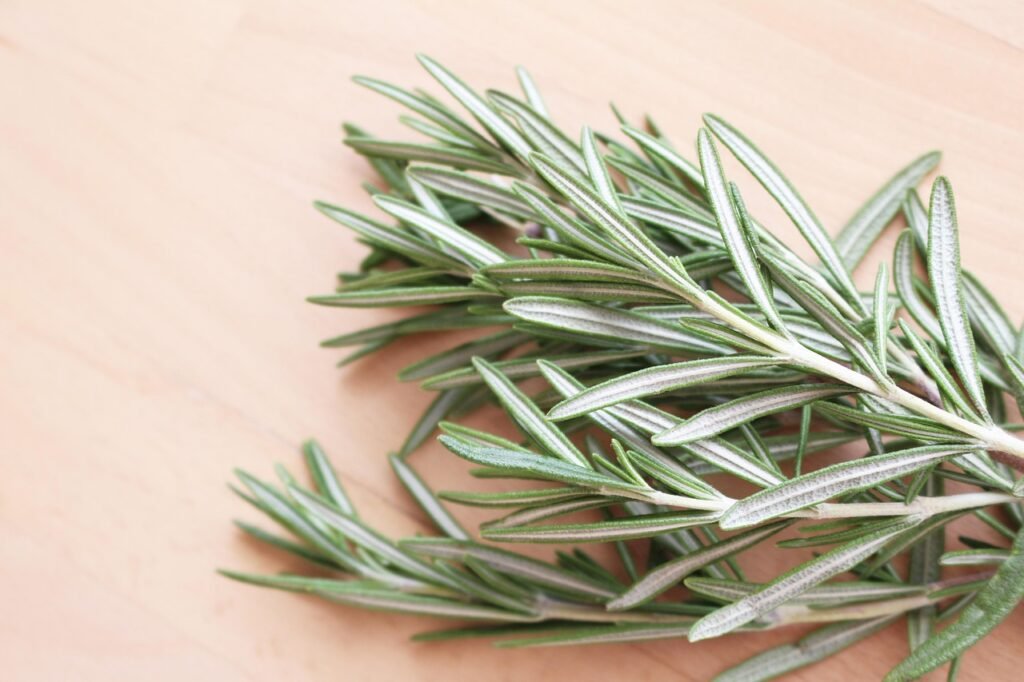
Take 3 to 6 inch tip cuttings from soft, green new growth in late spring or summer, strip the lower leaves, and set them in a fast draining mix such as potting soil cut with sand or perlite. Keep them humid and out of full sun. Roots usually form in about four to six weeks.
Choosing rosemary stems that will root
Rosemary roots best from this season’s growth, the flexible green tips at the ends of branches, rather than the brown, woody stems lower down. NC State Extension suggests late spring into summer, once new green stems have emerged, and recommends tips about 3 to 5 inches long. Penn State Extension suggests a 6 inch section of stem tip.
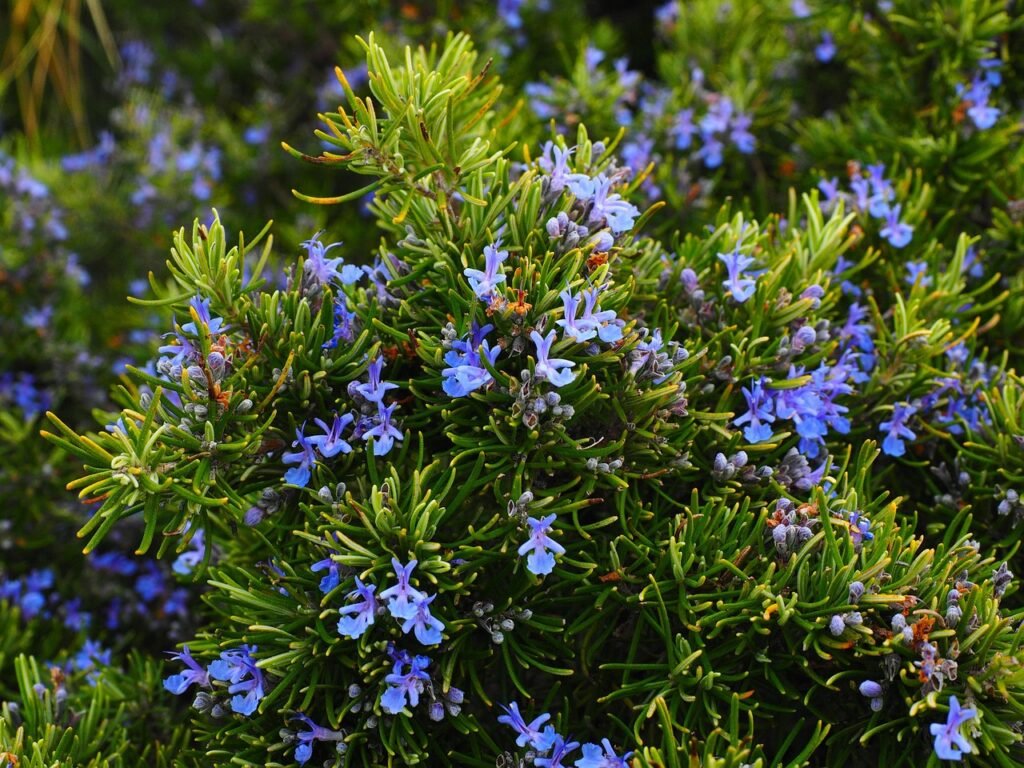
Pick healthy shoots without flowers. A stem that is trying to bloom puts its energy there instead of into roots. Cut in the morning when the plant is well watered, and take more cuttings than you need. NC State notes that you can expect 30 to 50 percent of rosemary cuttings to root, so it takes two or three cuttings for each plant you want.
Seed is not a good shortcut. Penn State Extension says rosemary seed has low viability and germinates slowly, and named varieties do not come true from seed.
Rooting rosemary cuttings in a pot
- Fill a small pot with a soilless mix that drains freely, such as seed starting mix or potting soil blended with sand or perlite. Water it and let it drain.
- Pull the needles off the lower stretch of each rosemary stem, keeping foliage on just the top inch or two.
- Dip the cut end in rooting hormone if you have it. Penn State Extension includes this step, but cuttings can root without it.
- Use a pencil to open a planting hole, then slide each rosemary cutting in until only its leafy part stays above the surface. Firm the mix around it.
- Cover the pot loosely with a clear plastic bag to hold humidity, keeping the plastic off the leaves.
- Set it in bright light out of direct sun and wind. Penn State Extension recommends bottom heat of 70 to 75°F if you have a heat mat.
Keep the mix lightly moist, never soggy. Rosemary rots quickly in wet soil, so if you see mold on the surface, open the bag for a few hours a day.
Soil, water jar or layering compared
| Method | How it works | Good for | Drawback |
|---|---|---|---|
| Cuttings in mix | Tip cuttings in a soilless, fast draining mix | Several new plants at once | Only some cuttings take |
| Cuttings in water | Stems in a jar on a bright sill, water changed often | Watching roots form | Roots must adjust again once moved to soil |
| Layering | A low branch pinned to the soil and covered while still attached | Garden plants with long, low stems | Slow, and only one plant per branch |
| Seed | Sown in a tray | Rarely recommended | Slow, unreliable, not true to variety |
For layering, bend a flexible low branch to the ground, scrape a little bark from the underside where it touches the soil, pin it down and cover that section. Leave it attached to the parent until new roots are established, then cut it free.
Moving rooted rosemary into its own pot
Fresh needles at the tip and a stem that holds firm when you pull on it lightly both tell you the rosemary has rooted. You can also slide the mix out of the pot to look. When the roots are visible and branching, move each cutting into its own small pot of well drained potting mix.
Give the young plants a week or so of bright shade before moving them into more sun. Give each rosemary pot a drink only once the upper layer of mix has dried out. Overwatering kills more young rosemary than anything else, and a clay pot with a drainage hole helps the soil dry evenly.
Getting young rosemary through its first winter
Penn State Extension rates rosemary for USDA hardiness zones 8 to 10, with some hardier cultivars such as ‘Arp’ surviving to zone 7 or zone 6b with protection. Typing your ZIP code into USDA’s Plant Hardiness Zone Map shows which zone your garden falls in.
In colder areas, keep new plants in pots. Penn State suggests bringing potted rosemary indoors two to three weeks before the first fall frost. Indoors, give it the sunniest window you have and water sparingly, since low light combined with too much or too little water is what usually trips rosemary up over winter. For the usual first frost date in your county, ask your local extension office before you plan the move indoors.
Frequently asked questions
Can you root rosemary cuttings in water?
Yes, many home gardeners root rosemary in a jar of water on a bright windowsill, changing the water often. Extension guides generally recommend a well drained soilless mix instead, and roots formed in water need time to adjust after potting, so keep the soil lightly moist for the first few weeks.
Can you propagate rosemary from grocery store sprigs?
Sometimes. Choose the freshest, greenest sprigs with soft tips, recut the bottoms, and treat them like garden cuttings. Store sprigs have been cut and chilled for a while, so the success rate is usually lower than with fresh cuttings taken right off a plant.
How long do rosemary cuttings take to root?
NC State Extension says cuttings in a well drained mix should have roots in about four to six weeks. Warmth speeds things up, and a heat mat under the pot can shorten the wait. Cool rooms, soggy soil or woody stems all slow rooting or cause cuttings to fail.
Where should you plant rosemary?
Pick the sunniest spot you have, with light, well drained soil. NC State Extension notes that rosemary tolerates drought and most soils except clay but has a low tolerance for wet, humid conditions. Where winters drop below about 5°F, University of Maryland Extension suggests a container you can move to shelter or indoors.
Why is my rosemary plant turning brown?
Overwatering is the most common culprit. NC State Extension calls it the usual cause of rosemary decline, since soggy soil leads to root rot, so let the mix dry between waterings. Indoors, dry winter air often browns the tips, and Illinois Extension advises raising humidity and keeping the plant cool rather than watering more.
Is a rosemary plant safe for cats?
Yes. The ASPCA lists rosemary as non-toxic to cats, dogs and horses, and NC State Extension also tags it as non-toxic for pets. Keep new cuttings out of reach anyway, since a curious cat can knock over pots or snap stems before roots form.