
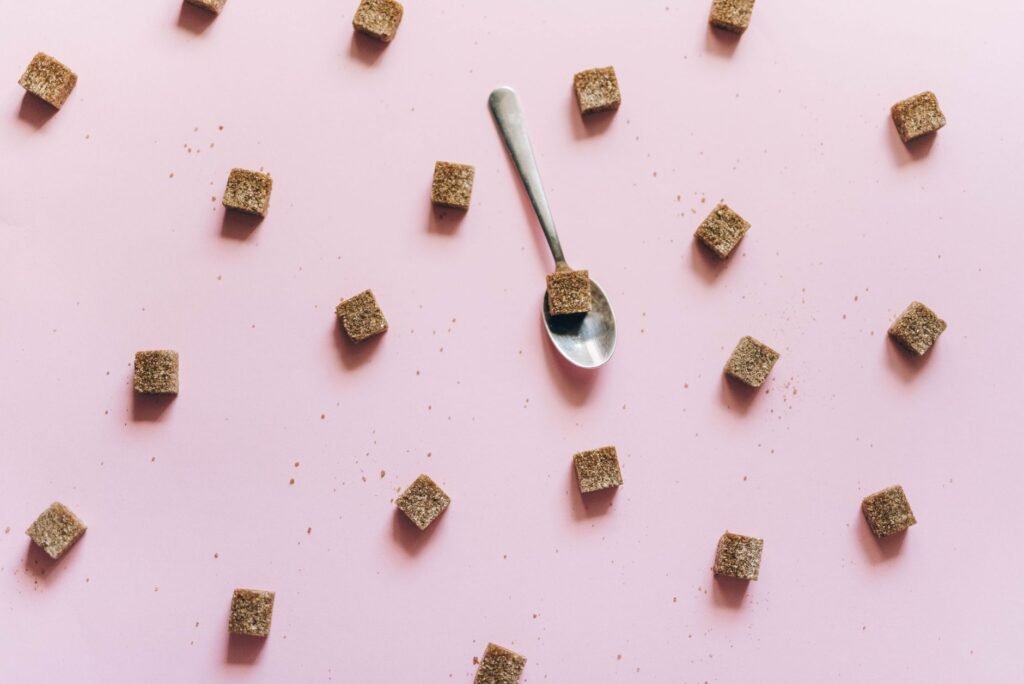
Brown sugar hardens because it loses moisture, not because it spoils, so store it airtight and rescue it rather than replacing it. A sealed jar, or a zip bag with the air pressed out, keeps it scoopable. If it has already set solid, a slice of bread or a damp paper towel resting in the container will soften it overnight.
Why the bag turns into a brick
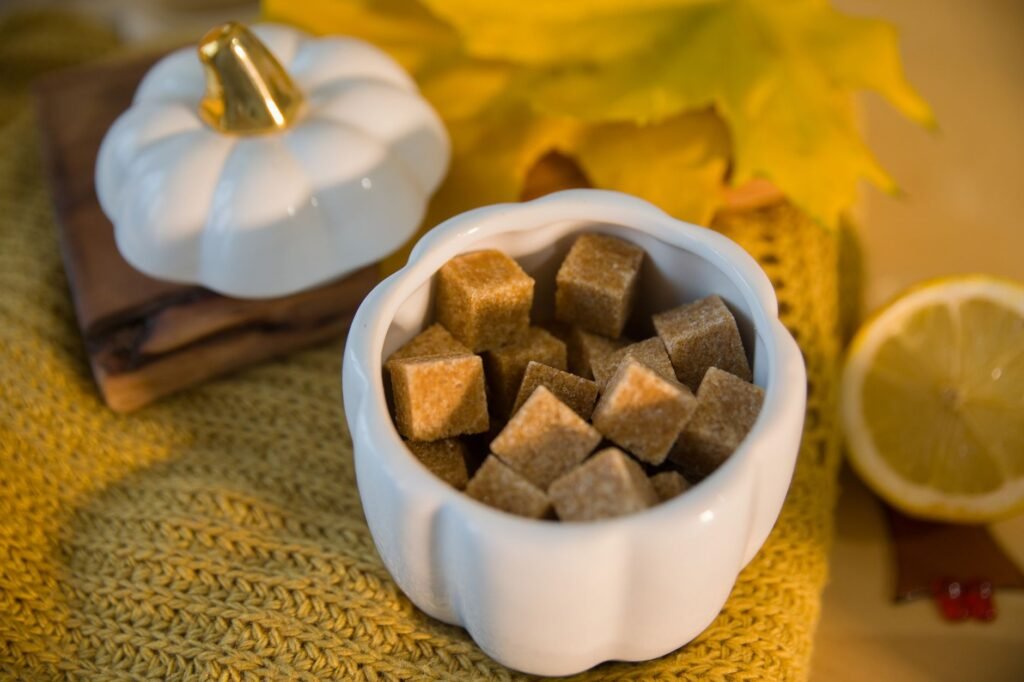
Brown sugar is white sugar crystals coated in molasses, and molasses holds a little water. That water is the only reason the stuff packs into a spoon instead of pouring like sand. Open the bag, and the water starts leaving for the drier air of your kitchen. The molasses film goes sticky, then tacky, then it glues neighboring crystals into one mass.
So the goal is not preservation, it is humidity. You are keeping a small amount of water inside a small space with the sugar, and keeping the kitchen’s dry air out.
Containers that hold the moisture in
| Storage method | How it does |
|---|---|
| Glass or plastic jar with a gasket lid | Best, and you can see how much is left |
| Zip bag with the air squeezed out, inside a tin | Nearly as good, and it folds down small |
| Original bag rolled and clipped | Fails, the paper and the fold both leak air |
| Terracotta disc soaked, then added to a sealed jar | Works well, as long as you resoak it |
| Freezer in a single thin bag | Dries it out and makes it harder to scoop |
The clay disc deserves a note. It is porous fired terracotta that you soak in water, pat dry, and drop into the container. It slowly gives that water back to the sugar. It is not magic and it is not permanent, and a disc left in a jar for a year is just a piece of pottery.
Three ways to soften a hardened box
- Overnight, hands off. Put the hard sugar in a sealed container with a slice of sandwich bread or a wedge of apple laid on top. Check it in the morning and take the bread out once the sugar gives.
- Damp towel. Same idea, faster. Wring a paper towel almost dry, lay it over the sugar, seal the container, and give it a few hours.
- Microwave, watching it. Cover the sugar with a damp towel and heat in very short bursts, breaking it up between each one. Stop the moment it crumbles. Overheat it and the molasses melts, then cools into something closer to candy than sugar.
What people get wrong about brown sugar
The big one is throwing a hard box away. It is not spoiled, it is thirsty, and that box has years left in it.
Close behind: clipping the original bag shut and calling it storage. Paper breathes, and the rolled top is a gap, not a seal. People also leave the clay disc in permanently without ever resoaking it, store the jar on the shelf directly above the stove where every pot of pasta sends a heat plume up, or buy the soft light and dark boxes and decant both into the same jar so neither one tastes the way the recipe expected.
When it is actually bad, not just hard
Mold means water got in as liquid, not vapor, and that jar is done. So does a musty or fermented smell, which usually follows a wet spoon going back into the container. Small dark specks that move are pantry pests, and that is a whole shelf problem, not a sugar problem. Anything short of those, soften it and bake.