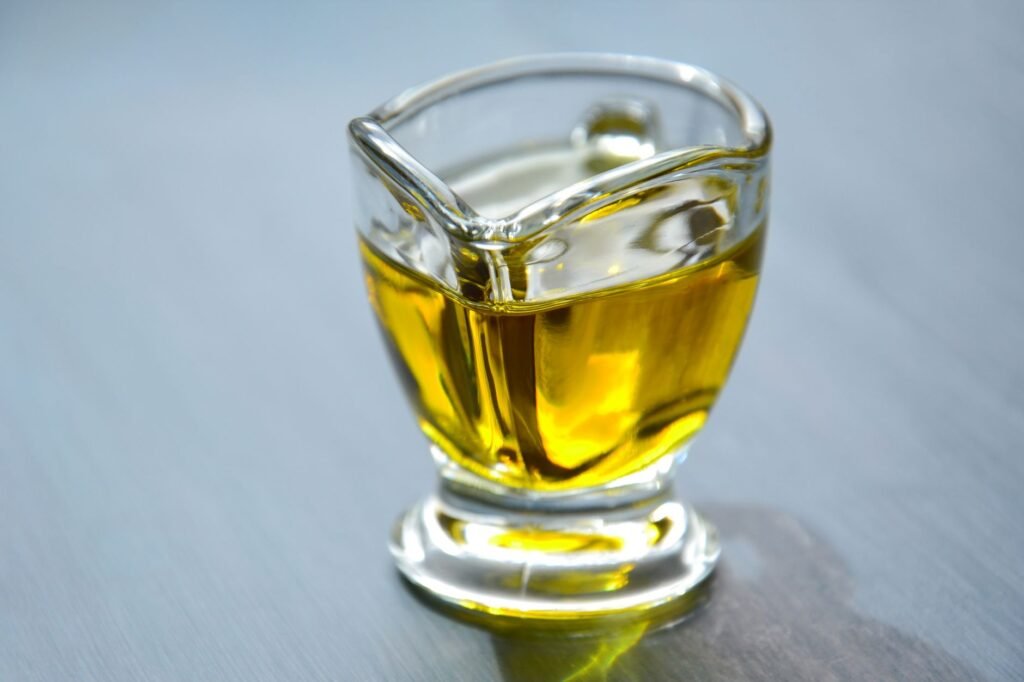
No, not in a normal car. Vegetable oil is no substitute for motor oil, it won’t run a gasoline engine, and pouring it into an ordinary diesel’s tank leads to gummed injectors and carbon buildup over time. The sound way to run a diesel on plant oil is to have that oil turned into biodiesel first.
Why cooking oil fails as a stand-in for engine oil
Motor oil is a blend built for one job. It has to flow on a cold morning, stay thick enough at full operating heat to keep metal parts apart, and carry additives that hold dirt in suspension until the next change. Your owner’s manual names a specific viscosity grade and certification for that reason.
Kitchen oil was never formulated for any of that. You’ve seen what happens to fryer oil after a few uses, as it darkens and turns sticky. An engine runs far hotter than a fryer and for much longer, so the same breakdown happens inside passages that are very hard to clean. If you’re low on oil, a quart of the grade your manual lists from any gas station is the fix.
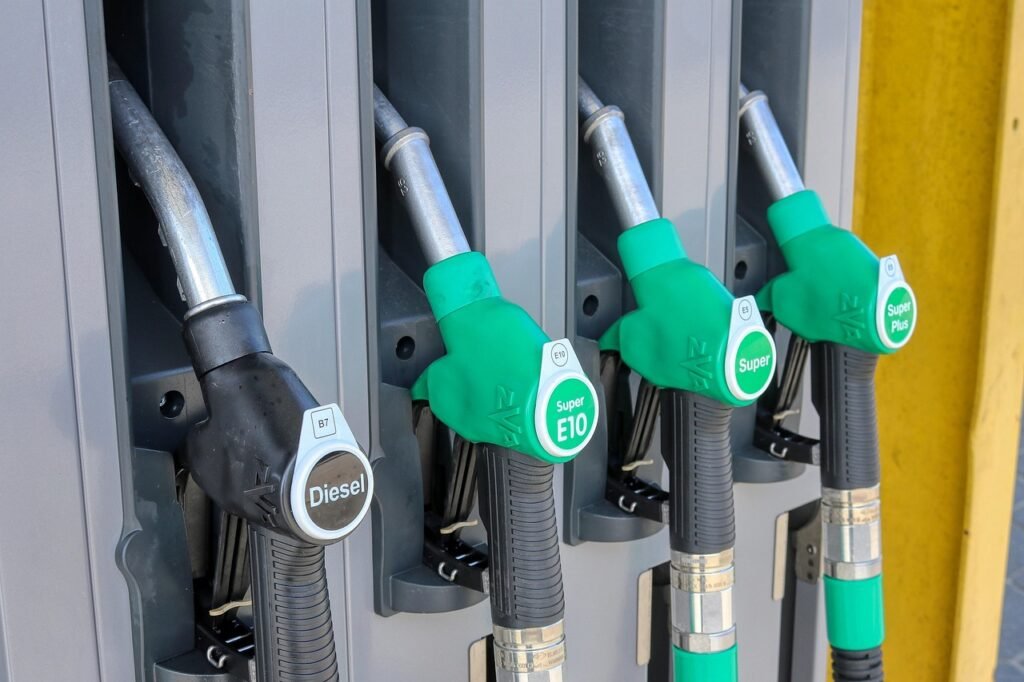
A gasoline engine has no use for vegetable oil
Gasoline engines depend on a light fuel that vaporizes easily and is lit by a spark plug. Vegetable oil is thick and heavy by comparison, so it doesn’t behave like gasoline in the fuel system or the cylinders. Expect a car that runs badly or not at all, followed by a shop bill to drain the tank and flush the lines. No kit or additive changes that, because the engine design itself assumes gasoline.
What untreated oil does inside a diesel engine
Diesels are where the idea comes from, because they don’t need a spark to ignite fuel. The trouble is what the oil does over time. The U.S. Department of Energy’s fact sheet on using vegetable oil as diesel fuel says untreated oil and waste cooking oils are generally not considered acceptable vehicle fuels.
The problem is thickness and boiling point. Untreated vegetable oil (often shortened to SVO) is far more viscous than diesel at normal operating temperatures. According to the DOE, that can wear fuel pumps and injectors early, change the spray pattern coming out of the injectors, dilute the engine oil, and build carbon deposits over the long term. It adds that engines with modern emission control systems weren’t designed to handle SVO.
Conversion kits compared with biodiesel blends
Aftermarket kits sold for running diesels on vegetable oil exist, but the DOE’s warnings about deposits and shorter engine life don’t carve out an exception for them. Switching a vehicle to a different fuel also runs into the federal Clean Air Act’s anti-tampering rules unless the conversion qualifies for an EPA exemption, so ask any kit seller for its EPA paperwork and check with your state before buying.
| Option | What the DOE fact sheet says |
|---|---|
| Untreated vegetable oil in a stock diesel | Not considered an acceptable fuel; deposits and wear over time |
| Biodiesel made from vegetable oil or grease | Processing lowers viscosity and boiling point so it behaves more like diesel |
| B5 (5% biodiesel) | Approved by all manufacturers of diesel vehicles and engines |
| B6 to B20 | Approved by some manufacturers; must be labeled at the pump |
Biodiesel also has to meet ASTM International quality specifications, which is what separates it from homemade fuel. Check your owner’s manual for the highest blend your engine allows.
If someone already poured vegetable oil into the car
- Don’t start the engine. Running it spreads the oil through the system.
- If it went into the engine oil filler, have the oil and filter changed before driving.
- If it went into the fuel tank, arrange a tow and tell the shop exactly what went in and how much.
- Keep the receipt for the repair, since your insurer may ask what happened.
A small splash caught right away is usually a drain-and-refill job. The expensive outcome is driving on it for days and letting deposits form.
Frequently asked questions
Can used fryer oil be turned into fuel?
Yes, waste cooking oil can be processed into biodiesel, which changes its thickness and boiling point so it behaves much more like regular diesel. That is a chemical process, not a filter job, and the finished fuel has to meet ASTM quality standards before it belongs in a vehicle.
Is biodiesel the same thing as vegetable oil?
No. Biodiesel starts from vegetable oils or animal fats, but processing turns it into a different fuel with lower viscosity and a lower boiling point. The Department of Energy treats the two very differently, approving biodiesel blends while calling untreated vegetable oil generally unacceptable as a vehicle fuel.
Will vegetable oil damage a diesel right away?
Usually not in the first mile. The damage the Department of Energy describes builds up over the long term, as carbon deposits form and oil dilution wears parts. That is why an engine can seem fine for weeks before injector and pump problems show up, so drain it early.