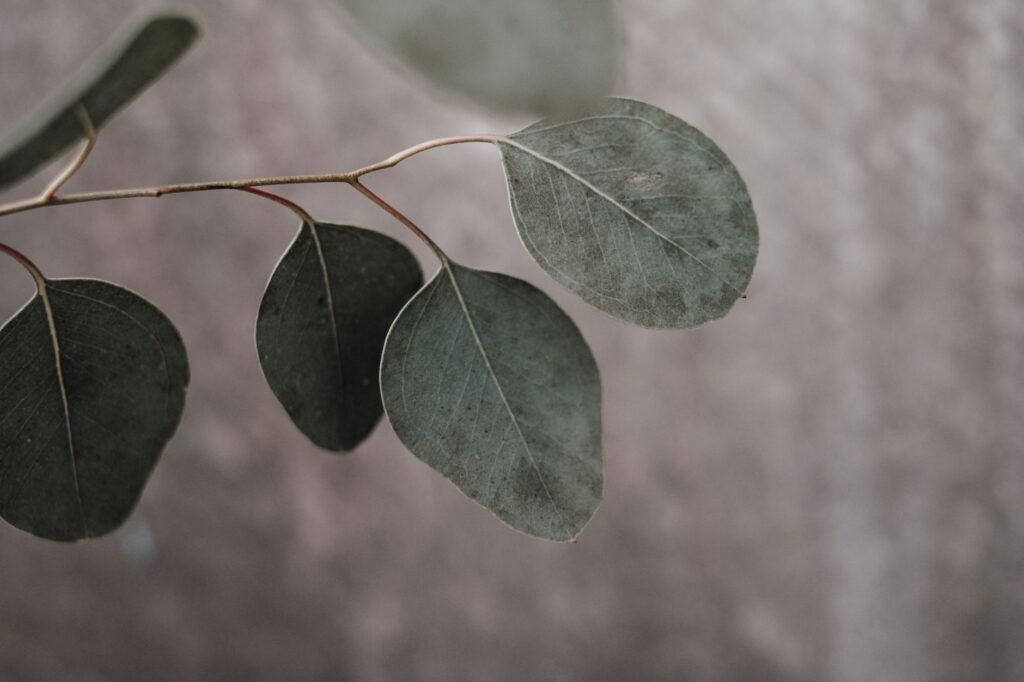
Technically yes, though eucalyptus ranks among the hardest common plants to root from a cutting, and the large majority of home attempts fail. Nurseries that manage it use misting benches and carefully selected juvenile shoots. In a backyard or on a windowsill, seed is the route that actually produces trees.
Why eucalyptus cuttings fail so often
Most shrubs root because their stems hold cells willing to switch jobs and become roots. Eucalyptus loses much of that willingness as a stem matures, and wood taken from an adult tree is close to unresponsive no matter what hormone goes on the end of it. This is a property of the plant, not a gap in your technique.
Two other things work against you. The foliage is loaded with aromatic oils and thin enough to dry out fast, so a cutting wilts before roots could ever appear. The cut surface is also a favorite target for rot, and the warm humid air a cutting needs is exactly the air those fungi prefer.
| Route | What it demands | Honest odds at home |
|---|---|---|
| Cutting from an adult tree | Mist bench, bottom heat, clean tools | Poor, often zero |
| Cutting from a juvenile shoot | The same equipment, better material | Low but not hopeless |
| Seed | A warm tray, light, patience | Dependable |
| Cutting an existing tree back hard | A saw and the right season | The easiest way to get more stems |
Seed is the route that works on a windowsill
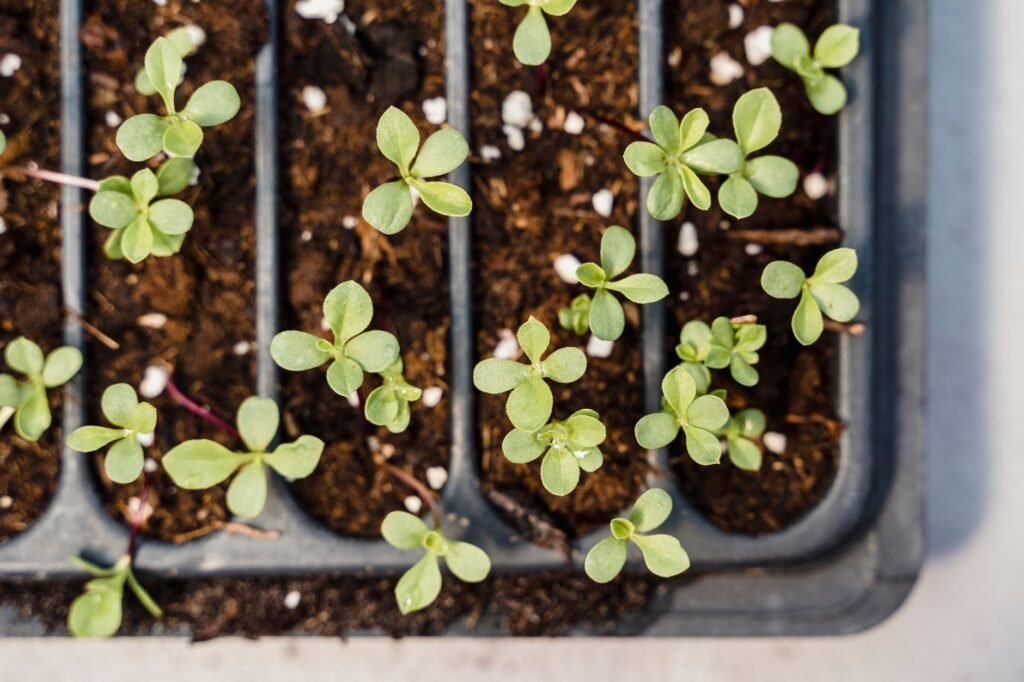
Eucalyptus seed is dust fine, and the usual mistake is burying it. Scatter it across the surface of a damp, free draining mix, press it down with a flat hand, and leave it uncovered so light reaches it.
- Fill a shallow tray with fine seed mix and water it thoroughly before sowing, so you never have to splash the surface afterward.
- Sow thinly across the top. A pinch covers more ground than seems reasonable.
- Check whether your species wants a chilling period. Several from cooler mountain regions germinate far better after a few weeks in a cold spot, and packets normally say so.
- Keep the tray warm and bright, watering from below to avoid dislodging seedlings.
- Prick the seedlings out into deep individual pots early, because the roots run down fast and hate being disturbed later.
Germination is uneven and can stretch out over weeks, so do not throw a tray away early. Seedlings grow quickly once they start, and that speed is the whole appeal of growing this genus from seed.
If you want to try a cutting anyway
Give yourself the best material available. Cut a parent plant back hard in spring and wait for the soft shoots that come from the stump, because that regrowth is juvenile tissue and juvenile tissue roots more willingly than anything higher up a mature tree.
Take short pieces with two or three small leaves, trim the leaves back, keep the base clean, and stand the tray on gentle bottom warmth in constantly humid air. Stick many more than you need. Even growers who do this for a living treat losses as normal, and a home tray that gives you one rooted plant has done well.
Watch for a blackened base, which means rot arrived first. Fresh mix, sharper drainage and more ventilation help on the next attempt, and reusing old trays without cleaning them is a reliable way to repeat the same failure.
Juvenile leaves, oils and what you are really growing
The rounded silver leaves sold in bouquets are juvenile foliage. Left to grow, most species switch to long, narrow, sickle shaped adult leaves, and gardeners who wanted the round ones are often surprised. Cutting the plant back hard each year keeps it producing the juvenile form, which is why the florist trade grows it as a coppiced crop.
Climate sets the rest. Many species are tender to hard frost, so across much of the United States eucalyptus gets treated as a container plant or as a summer foliage plant replaced annually. A few types handle cold better, and hardiness varies enough that the label on the packet matters more than any general rule.
One last consideration before planting. In frost free regions these trees grow large quickly, drop bark and branches, and are restricted in some fire prone areas, so it is worth checking local rules before you commit to a corner of the yard.
Frequently asked questions
Will a eucalyptus stem root in water?
Almost never. The stem lacks the responsive tissue that water rooting relies on, and the oily foliage fouls the water quickly, so the piece usually goes slimy at the base within a week or two. A florist stem in a vase is decoration, not a plant in progress.
Can I grow a tree from a bouquet stem?
No, for two reasons. Cut foliage is mature wood harvested days or weeks earlier, and it is often treated with preservative or glycerine to hold its color. Neither state leaves anything a root could grow from, however fresh the stem still looks in the vase.
Why did my cutting turn black at the base?
That is rot taking hold before any root formed, and it is the most common ending for this plant. Contributing factors include mix that stays too wet, reused trays carrying fungus, and still air under a cover. Sharper drainage and some ventilation improve the odds.