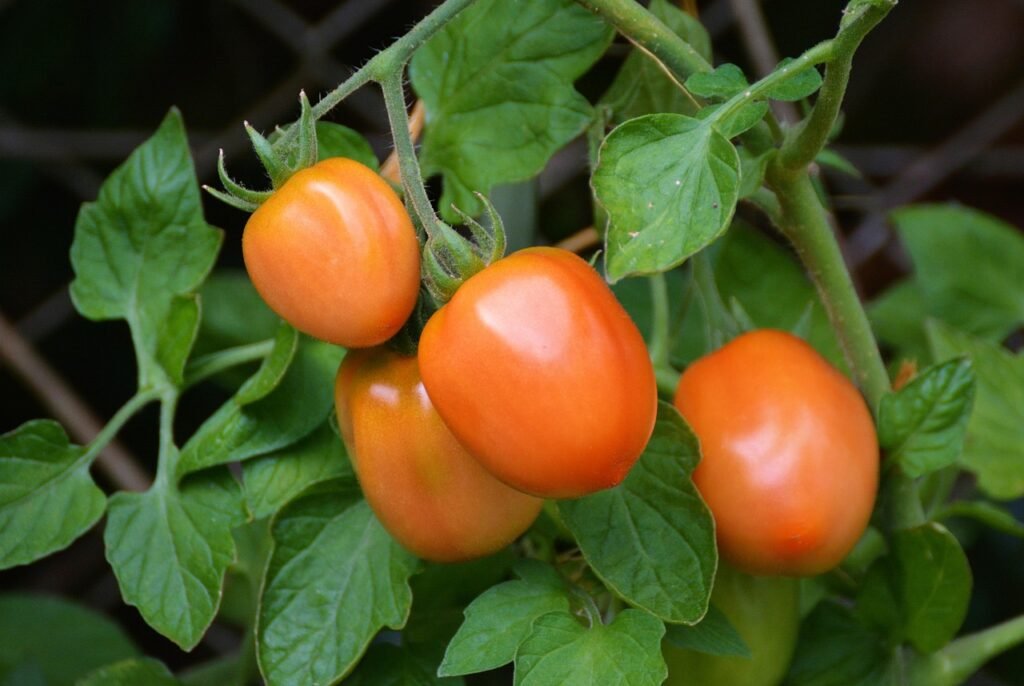
To prune tomatoes, pinch off the suckers that sprout in the angle between the main stem and a leaf stem while they are still small, and remove lower leaves that touch the soil. Do this mainly on indeterminate, vining varieties. Determinate bush types need little pruning, since cutting them removes fruiting branches.
Figure out whether your plant is determinate or indeterminate
The first question is which kind of tomato you planted, because the answer changes how much you should cut. Check the nursery label or the seed packet, which usually names the type.
| Type | How it grows | Harvest | Pruning approach |
|---|---|---|---|
| Determinate (bush) | Stops at a fixed height, about 4 to 5 feet per University of Vermont Extension, flowers at branch ends | Concentrated over a short period | Light, mostly lower leaves only |
| Indeterminate (vining) | Keeps growing and flowering all season | Continuous until frost | Regular sucker removal, staking or trellising |
Many heirlooms and large slicing tomatoes are indeterminate. Many paste and patio varieties are determinate. If the tag is gone, watch the growing tip. A determinate plant ends a stem in a flower cluster, while an indeterminate one keeps pushing out new leaves above the flowers.
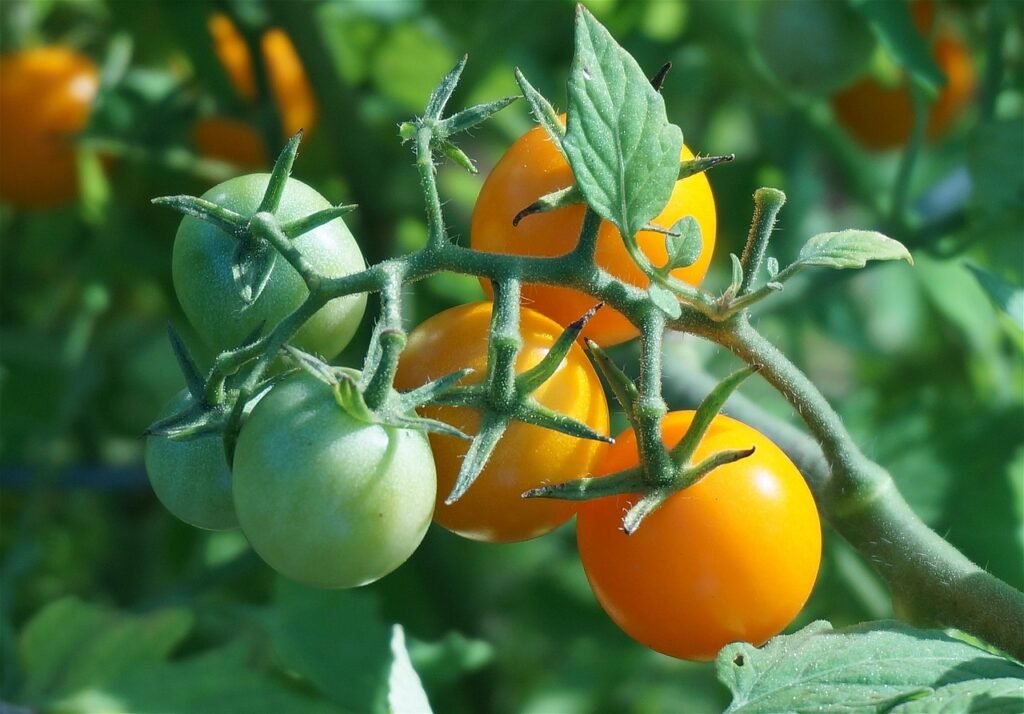
How to spot a sucker in the leaf crotch
A sucker is a side shoot. It appears in the V where a leaf stem meets the main stem, and left alone it grows into a full second stem with its own leaves and flowers.
The easy mix up is with a flower cluster. Flower trusses grow out of the main stem between leaves, not from inside the V. If there are tiny yellow buds on it, leave it. If it is a little shoot with leaves sitting right in the crotch, it is a sucker.
Checking once a week in summer keeps them small. They grow fast in warm weather, and one you missed can be a foot long before you notice.
Some gardeners leave one strong sucker low on a staked plant and let it grow into a second main stem. That gives two leaders to tie in rather than one, with more fruit on a plant that still stays manageable.
Pinching and cutting, step by step
- Work on a dry day, when wounds seal faster and leaves are less likely to spread disease.
- Pinch small suckers off at the base with your fingers. University of Vermont Extension says suckers on indeterminates are best removed while they are small.
- Cut older, thicker suckers with pruning shears instead of tearing them, which can rip the main stem.
- Disinfect the shears between plants with a solution of one part chlorine bleach to nine parts water, as UVM suggests.
- Keep one or two main stems on staked indeterminate plants and tie them in as they grow.
- Clear away the prunings rather than leaving them on the soil.
Removing lower leaves for airflow and less soil splash
Once plants are established, take off the leaves that droop onto the ground and thin the lowest leaves on the main stem. UVM Extension explains that this improves air circulation and stops heavy rain from throwing soil up onto the tomato leaves, which helps reduce early blight.
Stop at the bottom section of the plant. The upper leaves feed the fruit and shade it from harsh sun, and stripping a plant bare to hurry ripening often leaves tomatoes sunburned and flavorless. A mulch layer under the plant cuts down splash as well.
Topping indeterminate vines a month before frost
Late in the season, new flowers on an indeterminate plant won’t have time to become ripe tomatoes. The University of Vermont guide on pruning tomato plants recommends removing the growing tips of the main stems about a month before your first expected frost. That sends the plant’s energy into ripening the fruit already hanging.
Look up your average first frost date through your local extension office, count back about four weeks, and snip the tops just above a leaf. Pull off any new flower clusters that appear after that, too.
Frequently asked questions
Should you prune determinate tomatoes?
Only lightly. Determinate plants stop at a set height and set most of their fruit at once, so removing side shoots cuts into the harvest. Taking off yellowing leaves and any that touch the soil is enough. Save regular sucker pinching for indeterminate, vining varieties grown on stakes or trellises.
Can you root tomato suckers to grow new plants?
Yes. A healthy sucker several inches long will usually root in a glass of water or in moist potting mix, and it grows into a plant identical to the parent. Early in the season, that gives you extra plants for a later harvest at no cost.
What time of day is best to prune tomato plants?
Morning on a dry day works well, once dew has dried from the leaves. Wounds have the rest of the day to seal before evening moisture arrives. Avoid pruning when plants are wet, since handling wet foliage can move disease from leaf to leaf and plant to plant.
How do you prune cherry tomatoes?
Many cherry tomatoes, including Super Sweet 100, are indeterminate vines, so prune them like other vining types. Pinch off suckers every week while they're small, tie the main stems to a stake or trellis, and remove leaves touching the soil. For plants grown in a cage, Clemson Extension suggests keeping three or four main stems.
How do you prune tomatoes for maximum yield?
Balance fruit size against fruit count. UVM Extension says removing suckers from indeterminate plants gives earlier and bigger fruit, while every sucker you leave becomes another stem with its own flowers. Letting one strong low sucker grow into a second main stem adds fruit and keeps a staked plant manageable. Determinate varieties need little pruning at all.