
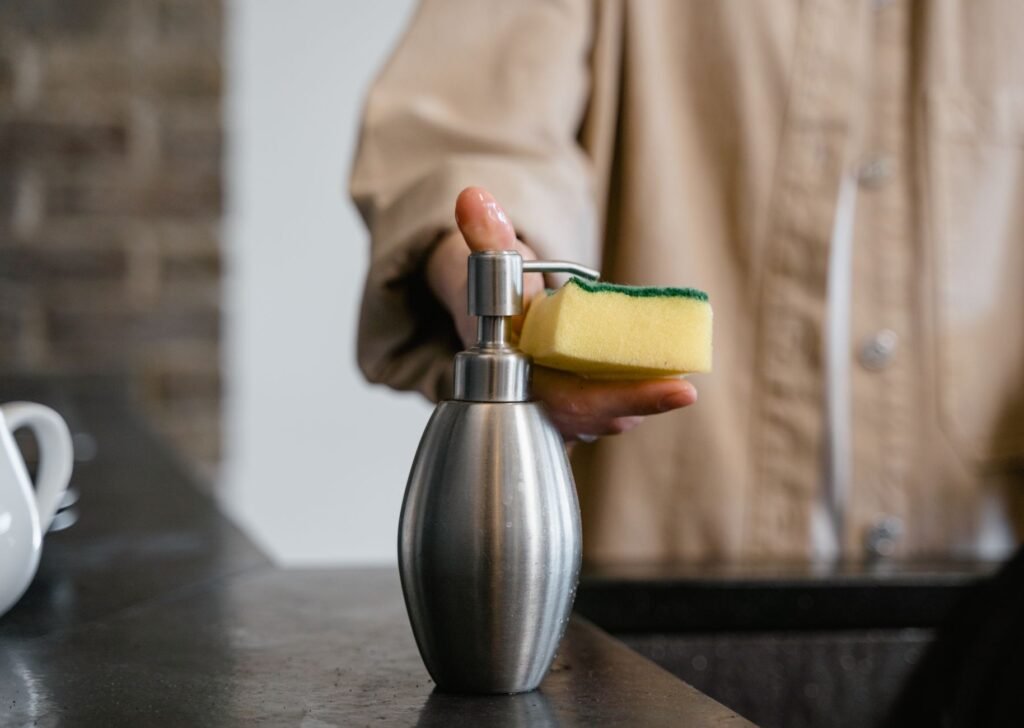
To sanitize a kitchen sponge, microwave it soaking wet for one minute or run it through a dishwasher cycle that includes heated drying. Both methods killed nearly all bacteria in USDA testing. Neither keeps a sponge clean for long, though, so replace sponges on a regular schedule as well.
What USDA testing found for each sanitizing method
In 2007, researchers at the USDA Agricultural Research Service loaded sponges with bacteria and then tried the cleaning tricks people use at home. Two methods stood far ahead of the rest.
| Method tested | Bacteria killed | Yeasts and molds left |
|---|---|---|
| Microwave for one minute | 99.99999 percent | Less than 1 percent |
| Dishwasher with a drying cycle | 99.9998 percent | Less than 1 percent |
| Soaking in bleach solution, lemon juice or deionized water | Between 37 and 87 percent | Between 6.7 and 63 percent |
The soaking methods left enough bacteria behind to cause illness, according to the same report. A quick dunk in diluted bleach feels thorough, yet the sponge that comes out is still well stocked.
Microwaving a sponge safely
Guidance from the University of Florida, summarized by the University of Minnesota research center CIDRAP, says the sponge should be wet and should contain no metal. Those two conditions keep the method from going wrong.
- Check the label. Skip any sponge with steel wool, metallic threads or a metal scrub layer.
- Soak the sponge under the tap until it is fully saturated. Leave it dripping.
- Set it on a microwave-safe plate and heat it for one minute.
- Leave it in the closed microwave for a few minutes. The water inside turns to steam, and the sponge comes out scalding.
- Lift it with tongs, squeeze it out once it is cool enough, and let it air dry.
Stay nearby while it runs. If you smell scorching, stop the microwave and let the sponge cool before handling it.
Running sponges through the dishwasher
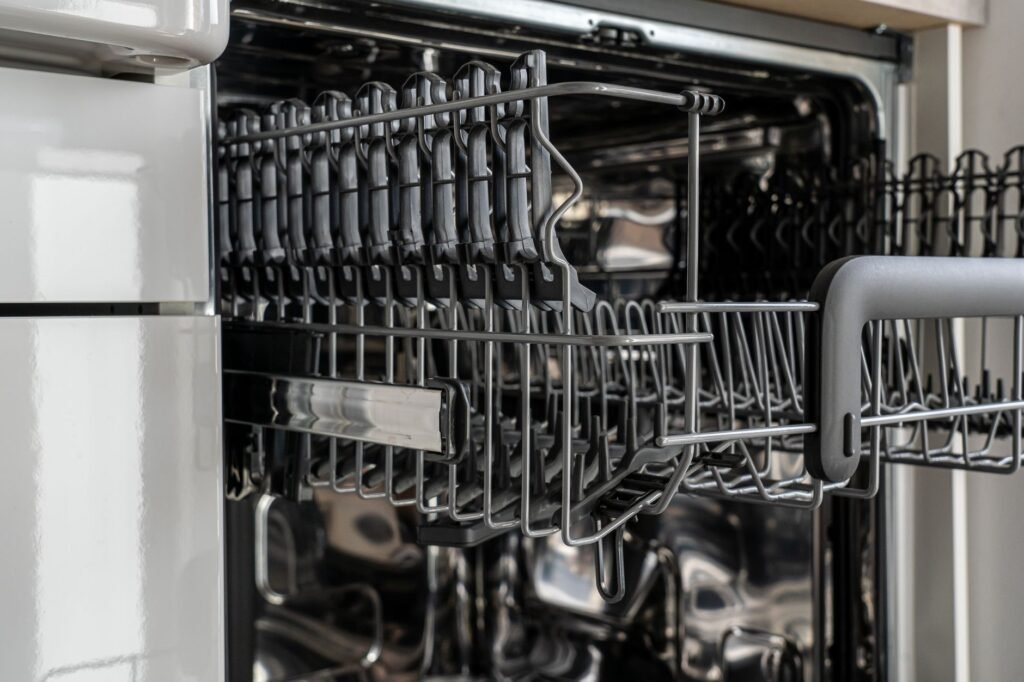
The dishwasher option works only with a heated drying cycle, because that is how the USDA test was run. Put the sponge on the top rack, wedged so it cannot drop onto the heating element, and run a normal load with the heated dry setting switched on.
This suits households that run the dishwasher every day, since the sponge rides along with dishes you were washing anyway. Check your dishwasher manual for where the heating element sits and whether the model offers a heated dry option, as some newer machines dry with fans or residual heat instead.
Why a sanitized sponge fills back up so fast
A sponge is built to stay damp and hold food scraps, which is also a fine home for microbes. A 2017 study in the journal Scientific Reports, led by Massimiliano Cardinale, sequenced bacteria from used kitchen sponges and found that regularly sanitized sponges did not contain fewer bacteria than uncleaned ones, according to their owners’ own descriptions of how they cleaned them.
Some bacterial groups even made up a larger share of the population in sponges that got special cleaning. The authors suggested the survivors recolonize quickly, and they recommended replacing kitchen sponges regularly, for example weekly, rather than relying on cleaning alone.
Sanitizing still has a place. It knocks the population down between swaps and cuts the sour smell. Think of it as maintenance, with the trash can as the real reset.
Habits that keep a sponge from turning sour between swaps
Wring the sponge hard after every use and stand it on its edge or in a caddy with airflow, not flat in a puddle by the faucet. A sponge that dries between uses stays fresher than one that never gets the chance.
Use paper towels or a clean cloth for raw meat juices and spills on the floor, and keep the sponge for dishes. Give different jobs different sponges if you like, such as one for dishes and another for counters, and cut a corner off one so you can tell them apart. When a sponge smells, feels slimy or starts shedding, toss it no matter when you last cleaned it.
Frequently asked questions
How often should you replace a kitchen sponge?
The researchers behind the 2017 sponge microbiome study suggested replacing kitchen sponges regularly, for example weekly. Toss one sooner if it smells sour, feels slimy or is falling apart. Buying sponges in multipacks makes a weekly swap easier, and older ones can move to cleaning jobs outside the kitchen.
Does soaking a sponge in bleach sanitize it?
Not very well, according to USDA testing. Sponges soaked in bleach solution, lemon juice or deionized water kept far more bacteria than microwaved or dishwasher-dried sponges, with only 37 to 87 percent of bacteria killed. If you use bleach elsewhere, follow the dilution directions printed on the bottle.
Why does my sponge still smell after microwaving it?
Microwaving kills most bacteria, but it does not remove trapped food and grease, and surviving microbes regrow quickly in a damp sponge. A smell that returns within a day or two is a sign the sponge is past its useful life. Replace it and let the new one dry between uses.