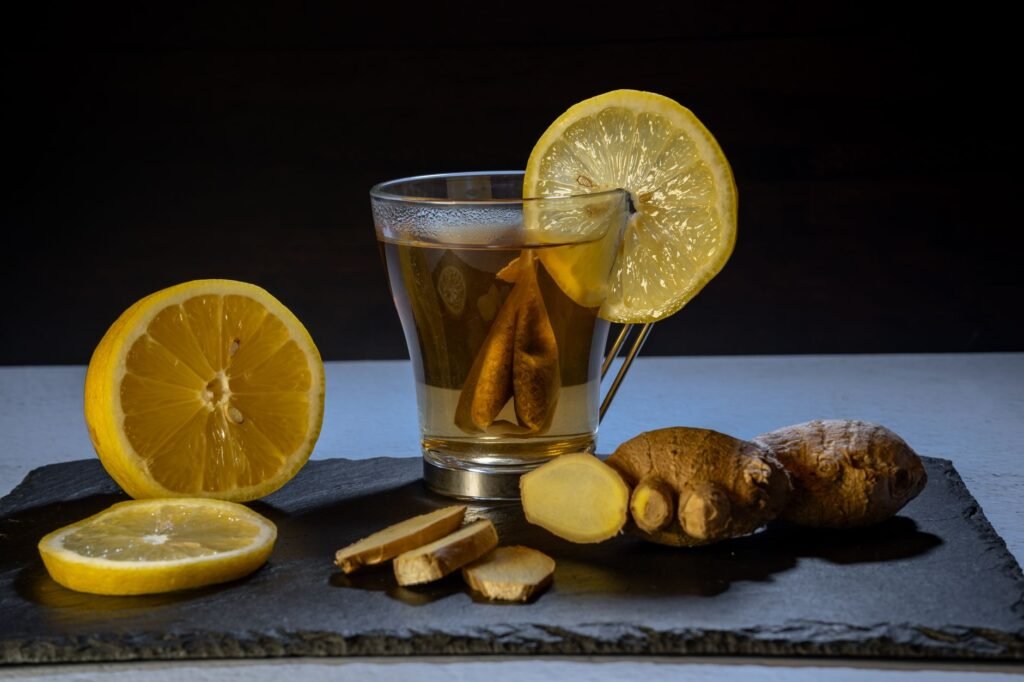
Leave the skin on, wrap the root loosely, and keep it in the fridge, or freeze it whole. Ginger fails in two directions: it molds when moisture sits on the skin and it turns woody when the air is dry. Frozen ginger sidesteps both, and it grates straight from the freezer, peel and all.
The skin is the packaging
A knob of ginger is a rhizome, an underground stem, and its papery skin is doing the same job a potato skin does. It slows water loss and keeps mold spores away from the flesh. Peel it and you have opened the whole surface at once, which is why a peeled root goes slimy or dries into a stub so quickly.
Cut ends are the weak point. Every time you break a piece off, you leave an open wound, and that is where fuzz appears first. Some cooks let a cut end dry and callus over on the counter for a day before the root goes back into storage, which does help.
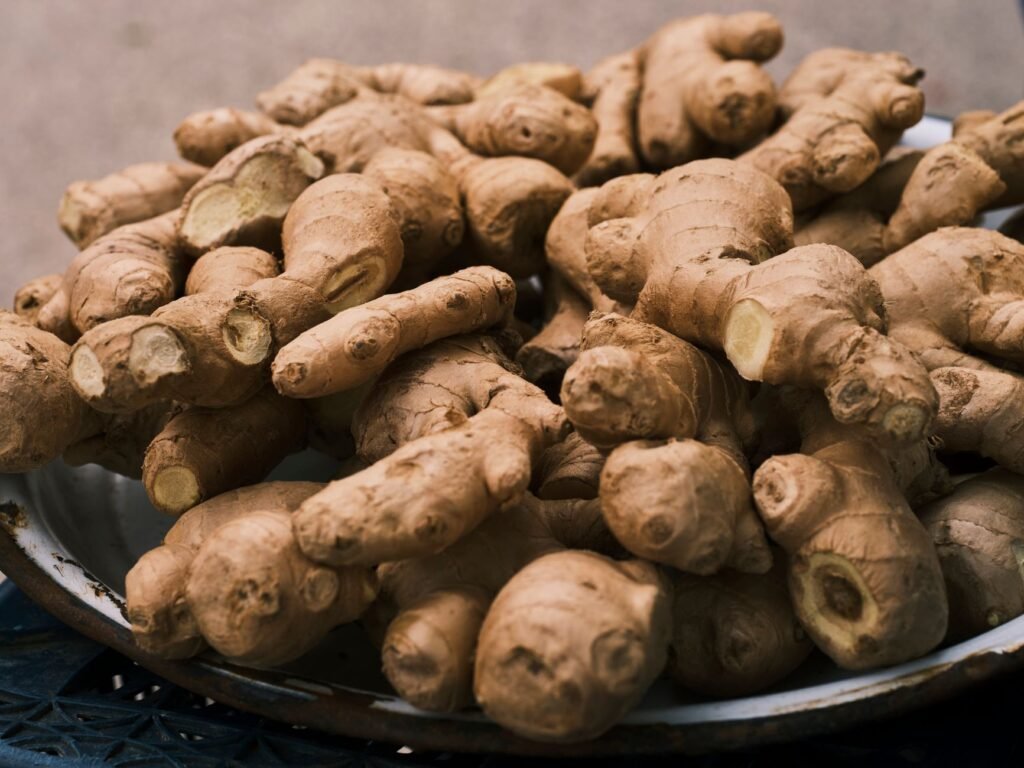
Five ways to keep ginger, and what each is for
| Method | Why you would | Rough window |
|---|---|---|
| Cool dry spot, open air, unpeeled | You cook with it constantly | About a week |
| Fridge, wrapped in paper then bagged loosely | The everyday default | Several weeks |
| Freezer, whole knob in a bag | Grating on demand, zero waste | Many months |
| Grated portions frozen in an ice cube tray | Recipes that always call for a spoonful | Many months |
| Peeled and submerged in vodka or dry sherry | Peeled leftovers you want to rescue | Months, and the liquid gets useful too |
There is a sixth option for anyone with a pot and a windowsill. A knob with visible growth buds will sprout if you half bury it in damp soil, and you can break off pieces as you need them.
Frozen ginger is the low effort answer
Freezing changes ginger in one way that happens to be useful. The cell walls rupture, so the thawed root is limp and stringy if you try to slice it, but a frozen knob held against a microplane shreds into a fine fluffy pile with almost no fiber left behind.
That means no peeling, no cutting board, and no half used root drying out in the drawer. Keep the knob in a bag, grate what a recipe asks for, and put the rest straight back. For slices or matchsticks rather than a paste, cut the root before freezing and spread the pieces on a tray so they do not fuse together.
Where people go wrong with ginger
The most common mistake is peeling the whole root when a recipe only needs an inch. The rest of it sits in the fridge with no barrier left and is unusable in days. Peel by the piece, and use the edge of a spoon rather than a peeler so you take off less flesh.
Second is the sealed container. Ginger gives off a little moisture, and a tight box turns that into droplets on the skin. Paper around the root, then a loose bag, gives the moisture somewhere to go.
Third is keeping ginger in the same drawer as damp greens or a leaking bag of herbs. Anything that raises the humidity around the root shortens its life, and ginger next to wet lettuce tends to be the first thing in the drawer to fuzz over.
Signs the root is finished
- Fuzzy white or green growth at a cut end, which spreads inward faster than it looks.
- Soft, spongy patches that dent under a fingernail instead of snapping.
- Flesh that has gone gray or translucent rather than pale yellow.
- A musty, damp smell in place of the sharp citrus and pepper hit.
- Wet, slimy skin that slides under your thumb.
A root that has simply dried into a hard, light, fibrous stub is not dangerous, it is just spent. It will not grate into anything worth using, though it can still flavor a pot of tea before it goes.