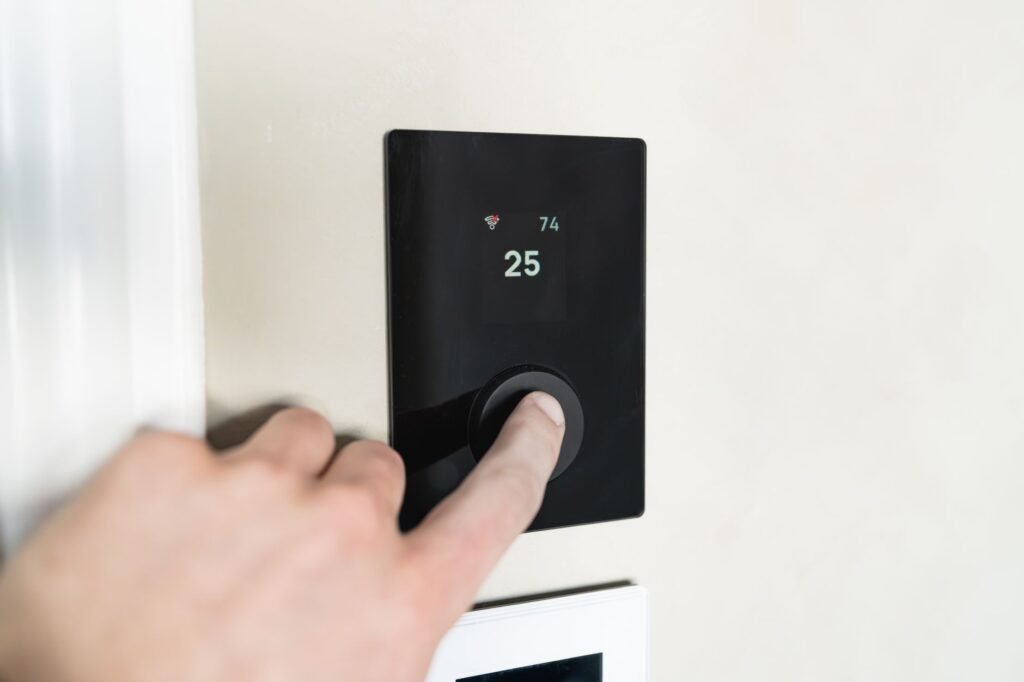
Room temperature is a range rather than a single reading, and in American homes it usually lands somewhere around 68 to 72 degrees Fahrenheit. Baking instructions, comfort guidelines, laboratory labels, and medicine packaging each draw the band slightly differently, so the same two words can carry two different meanings.
Nobody owns the phrase, which is why the band keeps moving
There is no single authority that stamped a number on these two words and made everyone else follow it. The phrase spread because it was convenient shorthand for a room that an ordinary person can sit in wearing ordinary clothes without reaching for a sweater or a fan. That is a description of human comfort, not a measurement, and human comfort drifts with humidity, airflow, clothing, and what the outdoor weather has trained you to expect.
Season changes the answer too. A house in Arizona set for summer and a house in Minnesota set for January can both be called room temperature by the people living in them, even though a thermometer would separate them by several degrees. Regional habit plays a part as well, since people who grew up with window units read a warm room differently than people who grew up with forced air.
What the words mean in four different settings
The gap between these settings explains most of the confusion. A label written by a pharmacist and a line written by a baker are aiming at different problems.
| Setting | Typical band | Why it sits there |
|---|---|---|
| Home comfort | Upper 60s to mid 70s Fahrenheit | The zone most people report as neither chilly nor stuffy in normal indoor clothing |
| Baking and recipes | Mid 60s to low 70s Fahrenheit | Butter stays pliable without going greasy, and eggs blend without seizing a batter |
| Labels on stored goods | A narrow band in the low to mid 20s Celsius | A tight window keeps the contents behaving the same way from one package to the next |
| Older wine and cheese advice | Noticeably cooler, closer to the 60s Fahrenheit | The phrase was coined before central heating, when a parlor in winter was genuinely cool |
That last row catches people out constantly. When a vintage guide says to serve a red at room temperature, it is describing a stone house without a furnace, not a modern living room with the heat running.
Reading your own rooms instead of trusting the thermostat
A thermostat reports the temperature of the small patch of wall it is bolted to, usually in a hallway, often on an interior wall with no sunlight and no traffic. Your kitchen counter, your upstairs bedroom, and your basement workbench can all sit several degrees away from that display at the same moment.
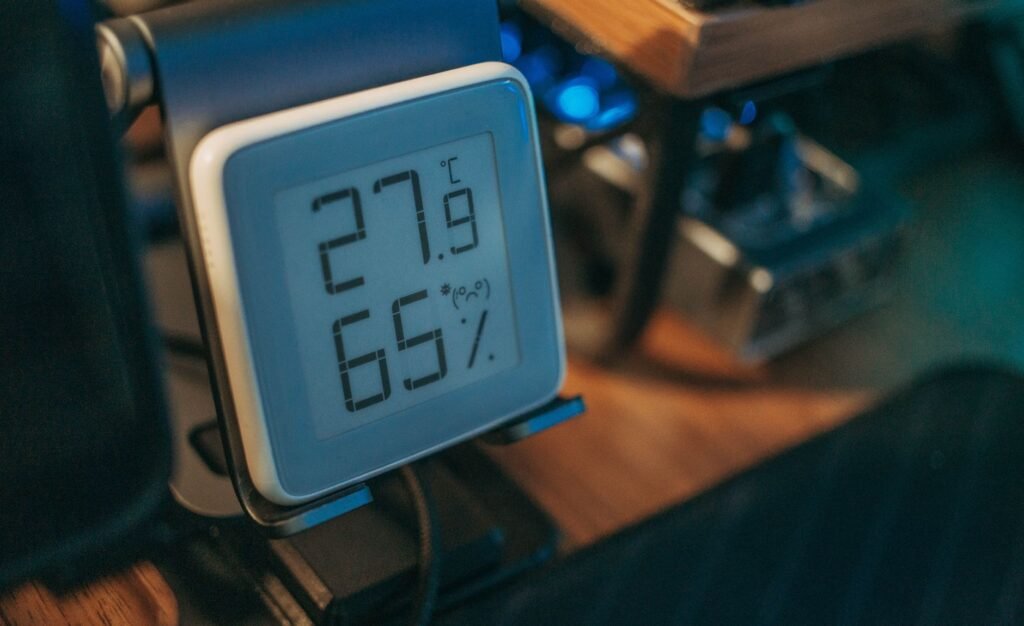
To find out what a specific spot is actually doing, put an inexpensive thermometer where the thing you care about will sit, at the same height, and leave it alone for at least twenty minutes so it stops reflecting your hand. Keep it clear of sunlight through glass, supply vents, radiators, refrigerator coils, and anything with a power brick, because all of those create a bubble that has nothing to do with the room.
When the difference is worth caring about
Most of the time the vagueness costs you nothing. These are the situations where pinning the number down pays off:
- Baking. Softened butter and a cool kitchen are a different combination than softened butter and a warm one, and the texture shows it.
- Anything stored by label instructions. Read the package, which names its own band. A bathroom cabinet and a parked car both swing well outside typical indoor conditions.
- Paints, glues, and finishes. These list a working range on the container, and curing slows or fails outside it.
- Serving wine and chocolate. Both behave better a few degrees below what a heated house delivers.
- Letting equipment settle. Instruments and camera gear brought in from the cold need time before they read or focus correctly.
Everywhere else, treating the phrase as a loose band works fine. The trick is noticing when a set of instructions means the loose version and when it means a specific window that somebody wrote down on purpose.
Frequently asked questions
What is room temperature in Celsius?
The everyday American band of roughly 68 to 72 degrees Fahrenheit works out to about 20 to 22 degrees Celsius. Labels written in metric often use a slightly wider window, so check the package itself rather than converting a general figure and assuming it matches.
Does a storage label that says room temperature mean anywhere in my house?
Not quite. The label names its own acceptable band, and several spots people treat as ordinary sit outside it. Bathroom cabinets get steamy, windowsills get direct sun, and a parked car swings far in both directions within a single day.
Why does older wine advice mean something cooler?
The phrase entered common use before central heating was normal, when a sitting room in winter stayed genuinely cool. A modern heated house runs warmer than the rooms those writers had in mind, so following the old wording literally serves a red too warm.